Back to top

How to Choose Personalised Paper Bags in 2026

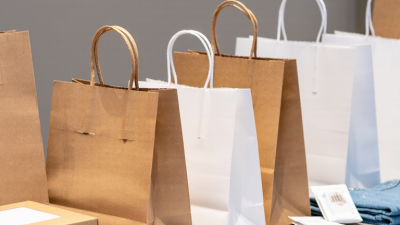
Choosing personalised paper bags in 2026 is about more than adding a logo. The right bag should suit the product, feel comfortable to carry, and represent your brand clearly. A small bakery may need a grease-resistant finish, while a clothing shop may prefer a wide gusset and sturdy twisted handles. Details matter.

Ellen MacArthur, a leading circular-economy advocate, champions “keeping products and materials in use.” That principle is useful when comparing paper weight, recycled content, printing methods, and end-of-life options. Ask suppliers for material specifications and a physical sample. Check whether the handles stay secure when the bag holds your heaviest typical purchase. Then inspect the print under ordinary shop lighting. It can look different from a screen.

There is no perfect specification for every business. A heavier bag may feel more durable, but it also uses more material. Recycled paper can vary in shade, and intricate artwork may not reproduce consistently across batches. Small compromises are real. This guide explores how to choose personalised paper bags by balancing design, function, budget, and credible environmental claims. It also considers order quantities and supplier questions, so you can make a decision based on evidence rather than a polished mock-up alone. A sample is worth the extra day.
How to Choose Personalised Paper Bags in 2026

Define the Purpose and Requirements for Personalised Paper Bags

Before choosing personalised paper bags, define the job they must do. A boutique may need a neat bag for a folded shirt; a market stall may need a wider base for jars. Write down the product’s weight, dimensions, and how far customers will carry it. Small details matter. A beautiful print cannot fix handles that dig into fingers.

Set practical requirements next: bag width and gusset, paper weight, handle type, finish, and print coverage. Ask the supplier for a sample and test it with the actual products. Check how it stands on a counter and whether the base flexes under load. The American Forest & Paper Association reported a 65–69% paper recycling rate in 2023. That figure covers paper overall, not every bag or local recycling system, so check local collection guidance before choosing coatings or laminates. I still see this step missed.

Tips: Match the bag to one real use case. Measure the bulkiest item, then allow room for easy packing. Keep artwork readable at arm’s length, and request a proof before production. A slight mismatch is common; revise the sample rather than guessing from a screen.

Choose Paper Grades, Handles, and Construction Types

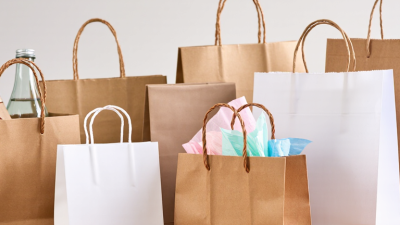
Choosing personalised paper bags in 2026 starts with the item they need to carry. A lightweight scarf may suit a modest paper grade, while jars or boxed goods need stronger stock and a reinforced base. Ask a supplier for samples, then test them with the actual products. Check how the bag feels when lifted and whether its base stays flat. A printed sample also reveals how colours look on uncoated paper.

Handle choice affects comfort and construction. Twisted paper handles work for many everyday purchases, while flat handles can suit lighter items and keep costs down. Rope-style handles feel more substantial, but need secure attachment points. For heavier loads, look for reinforced patches and a folded, well-glued base. A small prototype can expose weak seams before a full order. I have seen attractive designs fail at the handle joint; it is an easy detail to overlook.

Tips: Match the paper grade to the real load, not an optimistic estimate. Test a filled bag for several minutes. Check print placement near folds and handles. If the bag feels stiff or awkward, reconsider the dimensions. Samples take time, but guessing can cost more.

How to Choose Personalised Paper Bags in 2026 — Paper Grades, Handles, and Construction Types

Paper Grade or Material Typical Paper Weight Handle Options Recommended Construction Suitable Uses Selection Notes
Lightweight kraft paper Approximately 70–100 gsm Flat paper handles or no handle Simple pasted-bottom or SOS-style construction Light takeaway items, small retail purchases, event handouts Suitable for lighter contents. Choose a larger paper weight or reinforced base if the bag will carry dense or heavy products.
Medium-weight kraft paper Approximately 100–140 gsm Twisted paper handles or flat paper handles Pasted bottom with a folded base; add a handle patch where appropriate General retail, books, clothing, and moderately weighted goods A practical all-purpose range. Handle attachment, bag dimensions, paper quality, and load distribution all affect performance.
Heavyweight kraft paper Approximately 150–200 gsm Twisted paper handles or reinforced paper handles Reinforced top fold and base, with an internal handle patch when needed Heavier retail products, gift items, and larger bags Heavier paper can improve rigidity, but it does not guarantee a specific carrying capacity. Test the finished bag with the intended contents.
Recycled kraft paper Varies by supplier and paper specification Flat or twisted paper handles Construction selected to match the recycled paper’s tested strength Retail and promotional bags where recycled content is a priority Recycled content and strength vary. Confirm the recycled-content specification and request a sample or load test for the finished bag.
Coated or art paper Often approximately 157–210 gsm for the printed outer paper Paper, cotton, or other specified cord handles Commonly formed as a luxury-style bag with a reinforced top and base Gift packaging, cosmetics, fashion retail, and detailed full-colour printing Coating can support print appearance but may affect recyclability. Check the complete material combination, including coatings and handle attachments.
Paperboard or reinforced paper construction Depends on the board and paper components used Twisted paper, flat paper, or cord handles Board-reinforced base, top edge, or both Structured bags, heavier products, and presentation packaging Specify where reinforcement is required. Confirm that the board, adhesives, and other components suit the intended recycling route.

Practical guidance: GSM measures paper mass per unit area; it is not a direct measure of finished-bag load capacity. Before ordering, confirm bag dimensions, paper specification, handle attachment, reinforcement, print finish, and performance using a sample filled with the intended products.

Match Bag Dimensions and Design to the Intended Use

How to Choose Personalised Paper Bags in 2026

Match the bag’s dimensions to what it will actually carry. Measure the packed product, including tissue paper, boxes, or protective inserts. A candle in a rigid carton needs more depth than its label suggests. Allow a little room, but avoid a bag that swallows the item. Small details matter.

Consider the bag’s base and gusset, not only its height and width. A flat bag suits cards or slim clothing; a wider gusset helps boxed goods sit upright. Check handle length against how customers will carry it. Short handles work for hand-held purchases, while longer ones can sit over a shoulder. Test it loaded. Paper strength varies with weight, folds, and moisture, so request a sample with a realistic load before ordering a large quantity.

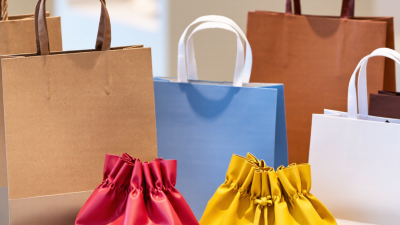
Let the design support the setting. A quiet logo and one accent colour may suit a premium gift, while a readable, high-contrast mark can help at a busy market. Keep artwork away from folds and seams, where text may distort. There is no perfect proportion for every product. I would rather check a mock-up twice than discover the handles feel awkward after printing. This detail is easy to overlook.

Select Printing Methods, Colours, and Personalisation Details

Choosing personalised paper bags in 2026 starts with the job they must do. Digital printing suits short runs, changing names, or seasonal artwork; flexographic printing can be more economical for larger quantities with repeat designs. Smithers’ The Future of Digital Printing to 2032 forecasts growth in the wider digital-print market, not paper bags alone. That distinction matters when comparing supplier claims.

Colour needs equal care. Ask for a printed proof on the actual bag stock, since recycled fibres can make pale shades look muted and dark areas less even. Keep artwork simple. A small logo, one strong colour, and a readable typeface often work better than a crowded design. Two Sides’ 2023 Trend Tracker found that 55% of surveyed European consumers preferred paper and cardboard packaging. Preference is not a guarantee of purchase, though.

Personalisation can be practical, not merely decorative. Add a short message, event date, or variable name only if the production method can reproduce it clearly. Check handle colour, paper weight, finish, and print placement together; a glossy sample may hide details that look different on uncoated stock. I would order a physical proof before approving a large run. It costs time. But screens can be misleading.

Choosing Ink Colours for Personalised Paper Bags

Example contrast ratios for dark and white ink on three bag-colour backgrounds.

Ratios are calculated from the displayed hex colours using the WCAG relative-luminance contrast formula; higher values generally mean stronger visual contrast. Screen calculations are a guide only—paper stock, ink, and print conditions can change the finished appearance.

Compare Sustainability, Compliance, and Total Cost in 2026

How to Choose Personalised Paper Bags in 2026

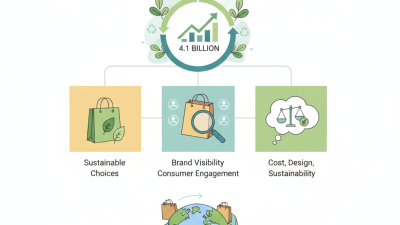
In 2026, compare sustainability, compliance, and total cost—not just the bag’s unit price. Ask suppliers for paper weight, recycled-fibre content, coating details, and evidence supporting environmental claims. A glossy finish may look polished, but coatings can complicate recycling in some local systems. There is no universally greener choice; collection and processing access matter.

The U.S. Environmental Protection Agency reported that 80.9% of paper and paperboard containers and packaging were recycled in 2018. This is a useful benchmark, not a guarantee that every bag will be recycled. Check current local packaging rules before approving artwork, labels, or material claims.

Then calculate total cost: printing setup, minimum order, delivery, storage, bag strength, and expected waste. A cheaper bag can cost more if handles fail or oversized stock sits unused.

Tips: Request a sample and test it with the actual product. Compare quotes at the same quantity and specifications. Ask for documented material details, not vague “eco-friendly” wording. Small checks matter. And if the final choice feels imperfect, record why; that makes the next order easier to improve.

X