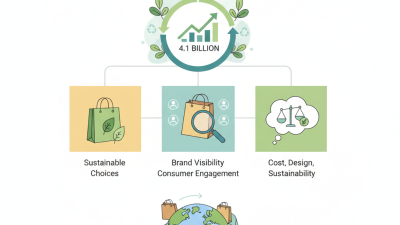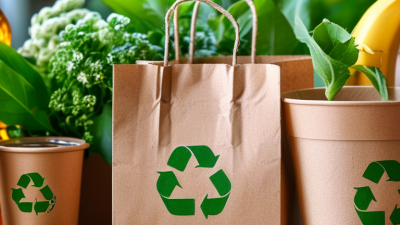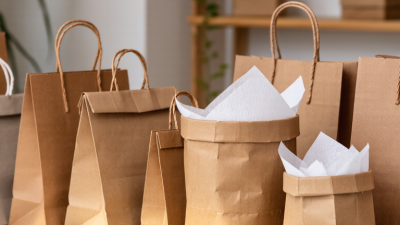
Why do many retailers and event brands choose custom paper bags with logo? The answer begins with visibility. A customer carries the bag through streets, offices, cafés, and public transport. Each movement creates another quiet brand impression. Unlike a small printed card, a well-designed bag remains visible for several minutes or even hours.
Packaging specialist Lisa McTigue Pierce describes packaging as “a brand’s silent salesperson.” That idea explains the value of a clear logo, balanced colors, and readable contact details. A strong bag can make a purchase feel intentional. It can also support brand recall after the customer leaves the store. However, appearance alone is not enough. The paper weight should suit the product. Handles should feel comfortable. The base should remain stable when carrying a bottle, book, or boxed gift.
This article explores why businesses invest in custom paper bags with logo, from brand recognition to customer experience and practical promotion. It also considers material choices, print quality, sizing, and production details. Small decisions matter. A pale logo may disappear under bright light. Thin paper may crease too quickly. These problems are easy to overlook during design review.
The choice is not automatically perfect. A branded bag can still waste resources if its size is excessive or its message is unclear. Responsible planning means matching the bag to real customer needs. When design, strength, and useful reuse work together, the bag becomes more than packaging. It becomes a physical reminder of the brand.
Why Choose Custom Paper Bags With Logo?
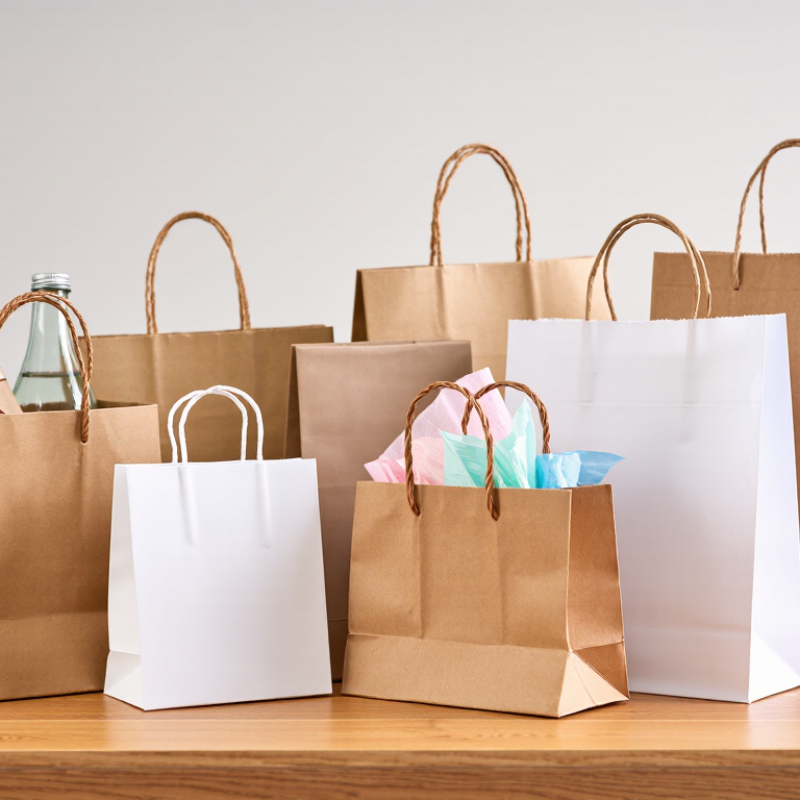
Custom paper bags with logos are paper carry bags designed around a business’s visual identity. They usually include a printed logo, selected colors, suitable dimensions, and handles matched to the expected load. A bakery may need a shallow bag for pastry boxes, while a clothing shop may require a taller, stronger format. The design should fit the product, not merely display a logo.
In production, suppliers consider paper weight, fold strength, handle attachment, and printing method. Recycled paper can create a natural appearance, while coated paper often produces sharper colors. However, coated surfaces may affect recycling choices. Paper bags also have limits. They can weaken when exposed to rain, oil, or excessive weight. Practical testing matters more than attractive samples.
From my experience reviewing packaging samples, the best bags feel balanced in the hand and open without tearing. A logo should remain readable from a short distance. Small details matter. Uneven color, loose handles, or a weak bottom can damage customer trust. Not every printed result will be perfect, either. Paper texture may slightly change the logo’s appearance, so a physical proof is worth requesting before mass production. A reliable specification should state size, paper thickness, handle type, printing colors, and quality checks clearly.
A practical overview of their materials, customization options, applications, and environmental considerations.
| Dimension | Typical Information | Why It Matters |
|---|---|---|
| Definition | Custom paper bags are paper shopping or packaging bags produced in selected sizes, colors, materials, handle styles, and printed artwork. A logo can be printed directly on one or more panels. | The bag becomes both a functional package and a visible communication tool during carrying, storage, and reuse. |
| Common Paper Types | Kraft paper is commonly selected for a natural appearance and good everyday strength. Coated or art paper provides a smoother surface for detailed graphics and color reproduction. Typical paper weights may range from approximately 80 to 250 gsm, depending on the design. | Paper weight and surface finish influence appearance, stiffness, print quality, and carrying performance. |
| Logo Printing | Common methods include flexographic printing, offset printing, and digital printing. The appropriate method depends on order quantity, artwork detail, number of colors, and required consistency. | A well-prepared logo improves recognition and helps maintain a consistent visual identity across packaging. |
| Customization Areas | Customization may include bag width, height, gusset depth, paper color, finish, handle type, logo placement, background artwork, and optional internal or external coating. | Specifications can be matched to the product dimensions, brand style, expected load, and retail presentation. |
| Handle Options | Frequently used options include twisted paper handles, flat paper handles, die-cut handles, and textile or rope handles. Handle attachment and reinforcement affect overall durability. | The handle should suit the bag size, product weight, carrying distance, comfort requirements, and desired appearance. |
| Typical Applications | Common uses include retail purchases, boutiques, bookstores, bakeries, takeaway food packaging, event materials, gifts, and promotional distribution. | Different applications require different combinations of size, paper strength, handle construction, moisture resistance, and print finish. |
| Main Benefits | Custom logo bags improve packaging consistency, provide mobile brand exposure, support product presentation, and can be designed for repeated use when their construction is sufficiently durable. | A useful and attractive bag can extend the visibility of a message beyond the original point of purchase. |
| Environmental Profile | Paper bags are generally recyclable where local recycling systems accept them. Recycling performance can be affected by plastic lamination, metallic finishes, heavy coatings, food contamination, inks, adhesives, and mixed materials. | Material selection and local recycling rules should be considered before making environmental claims. |
| Durability Factors | Performance depends on paper weight, bag dimensions, bottom construction, side gussets, handle attachment, reinforcement, moisture exposure, and the weight and shape of the contents. | A larger or heavier product generally requires stronger paper, reinforced stress points, and testing with the intended contents. |
| Logo Placement | The logo may be placed on the front panel, back panel, side gussets, or multiple surfaces. The printable area should account for folds, seams, handles, and the bottom of the bag. | Correct placement keeps the logo visible, aligned, and legible after the bag is folded and filled. |
| Selection Checklist | Before production, define the bag dimensions, product weight, paper type, paper weight, handle style, number of printed colors, finish, quantity, artwork format, and intended recycling conditions. | Clear specifications reduce design changes and help ensure that the finished bag meets both presentation and practical requirements. |
A paper bag carries more than products. It also carries visual information through streets, stores, and customer photos. When a logo is clear, people can recognize it before reading any words. This makes logo design central to brand recognition. A simple shape often works better than a crowded illustration. Small details matter.
Effective logo design depends on proportion, contrast, and repeatable form. Designers should test the mark at different sizes before approving custom paper bags. A logo that looks attractive on a screen may lose thin lines during printing. Poor contrast fails quickly. Practical testing helps reveal these weaknesses. It also supports more reliable color decisions across paper textures and finishes.
Logo placement affects how naturally the bag is noticed. A centered mark can create balance, while a smaller side placement may feel quieter and more refined. Repeated exposure can strengthen memory, but repetition alone cannot fix a confusing symbol. Designers sometimes overestimate decoration and underestimate empty space. That is a mistake worth questioning. A recognizable logo should remain visible from several angles without overwhelming the bag’s message. Slight color shifts or uneven ink can still occur in production, so realistic approvals matter more than perfect digital previews.
Choosing the right material and features makes custom paper bags more useful, not merely attractive. Kraft paper offers a natural texture and dependable strength for retail packaging. Recycled paper supports a lower-impact image, although its surface may show small fibers or color variations. That is not always a flaw. It can make each bag feel more authentic.
Paper weight should match the product. A lightweight bag suits clothing or flat items, while heavier paper works better for bottles, books, or boxed goods. A reinforced bottom helps prevent bending during transport. Twisted paper handles feel practical, while flat handles provide a cleaner appearance. Test both with the actual product. Empty-bag testing can be misleading.
Printing also affects performance. Water-based inks can create a softer finish and support a more responsible packaging approach. Matte coating reduces glare, but it may hide the paper’s natural texture. Glossy finishes attract attention, yet scratches can become visible under strong light. Small details matter. A logo should remain clear from several steps away. Measurements, handle placement, and fold lines need careful checking before production. Even a well-designed bag may need one more adjustment after real handling, because appearance alone cannot reveal every weakness.
Why Choose Custom Paper Bags With Logo?
A custom paper bag extends the customer experience beyond the checkout counter. When shoppers carry it through a street, office, or train station, the logo gains repeated visibility without another advertising placement. It gets noticed. A clear logo, balanced colors, and readable contact details make the bag easier to remember. However, a printed logo alone is not enough. The bag must also feel practical, clean, and suitable for the product inside.
Paper weight, handle strength, and bag size directly affect customer satisfaction. A bag that tears near the car park can damage trust quickly. Experienced packaging teams usually test filled bags, folded corners, and handle pressure before production. They also check whether the artwork remains sharp on recycled paper, which may have a softer texture. Small details count. A comfortable handle can make a customer more willing to reuse the bag.
Custom bags can support a consistent marketing message across physical touchpoints. A short website address or carefully placed QR code may guide customers to useful product information. Yet too many design elements can create visual noise. We sometimes see businesses prioritize decoration over readability. That choice needs reconsideration. Reliable results come from approving a physical sample, checking color differences, and confirming measurements before a full order. Customer feedback can reveal problems that a design screen cannot.
Custom paper bags with a logo can make a purchase feel more personal, but their real value depends on cost and environmental choices. Bag size, paper weight, handle style, ink coverage, and order quantity strongly affect the final price. A small bag with twisted handles usually costs less than a wide, reinforced bag. Larger orders may reduce the unit price, while special finishes and full-color printing can increase setup expenses. Ask suppliers for samples, production details, and a complete quotation.
Environmental impact begins with the paper source. Recycled content can reduce demand for virgin fibers, but recycled paper may have lower strength or a less uniform surface. That is not always a problem. A suitable design can prevent overusing material. Avoid plastic lamination when possible, because it can complicate recycling. Water-based inks and responsibly sourced paper may support better environmental performance. However, claims need evidence. Request certification documents, recycled-content percentages, and information about manufacturing and transport. A logo alone does not make a bag sustainable.
Tips: Choose the smallest practical size. Use moderate paper thickness. Select one or two ink colors when suitable. Avoid unnecessary coatings and decorative extras. Encourage customers to reuse the bag several times. Also, review the full supply chain, not only the paper. Local production may reduce transport emissions, but it is not automatically cleaner. I have found that attractive designs sometimes encourage reuse, yet oversized bags can quietly cancel that benefit.