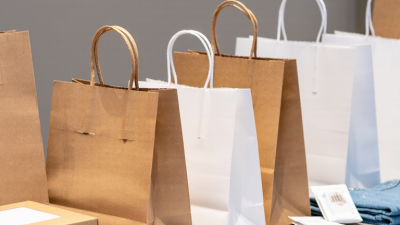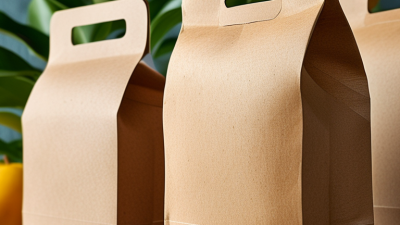
A paper bag can do more than carry a purchase. It can introduce your brand on a busy sidewalk, protect a glass jar, or make a small gift feel considered. The right custom paper bags with logo should look appealing and work well for the products inside. That balance is easy to overlook.
This guide explores seven options for brands comparing bag styles, materials, and printing details. You’ll find choices suited to boutique clothing, bakery boxes, cosmetics, and everyday retail. Small details matter: a twisted-paper handle feels different from a flat handle, while a reinforced base can help support heavier items. A matte finish may suit understated packaging; bright colors can stand out at checkout. Practical stuff.
When comparing suppliers, check available sizes, paper weight, print placement, and minimum order quantities. Ask for a sample when possible. A digital mockup can show the artwork, but it cannot fully reveal how a bag feels or carries weight. No single option fits every business. A sturdy bag may cost more than a lightweight one, and that extra expense may not make sense for every order. I’d weigh appearance against actual use, rather than choosing by product photos alone. Even then, the decision can be imperfect. Packaging gets handled, folded, and sometimes reused in ways a neat product image never shows. The best pick is the one that supports your brand and performs reliably in the situations your customers actually encounter.
Custom paper bags make a logo part of the customer’s journey, not just a mark on a package. A person may carry the bag past a shop window, onto a bus, or into an office. That repeated visibility can help people remember the business. The effect depends on practical details, too. A bag that feels sturdy and comfortable to hold reflects care; a weak handle can undermine that impression. Small choices matter.
Start with the bag’s purpose. A compact bag suits a book or a folded shirt, while a wider base helps keep a takeaway order upright. Choose paper weight and handle style for the items customers actually carry. Then check the logo at full size. Fine lines can disappear against textured paper, and pale ink may lack contrast. A simple proof helps, though colors can still look different under store lighting. It is worth checking a printed sample before ordering many bags.
Tips: Place the logo where it stays visible when the bag is held naturally. Keep contact details readable, but avoid crowding the design. Ask for a sample with the intended paper and finish. Looks good on screen? Check it in hand.
A custom paper bag should fit the product, the way it is carried, and the impression your logo needs to make. Start with weight and dimensions, then consider finish and print placement. A test bag helps: handles that look sturdy on screen may twist under load.
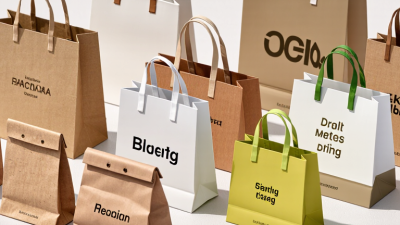
Seven styles suit different needs. Kraft bags with twisted handles work well for groceries and everyday retail; a simple one-color logo stays clear on the brown surface. Flat-bottom SOS bags stack neatly for bakeries and takeaway counters, though they have no handles. Side-gusset bags offer extra room for boxed items or bottles. Die-cut handle bags suit lightweight clothing and accessories, but need a reinforced top for repeated use. Rope-handle bags feel more gift-ready, while laminated shoppers allow vivid graphics. That coating can complicate recycling, depending on local facilities. Windowed paper bags show pastries or small goods at a glance; check that the window material fits the product. Uncoated, flat-handle shoppers offer a practical middle ground for shops seeking a clean, understated look.
Keep the logo readable from arm’s length. Avoid placing fine text across folds or near handle holes. Ask the printer for a proof, and check color against the actual paper stock; kraft can shift pale colors noticeably. Not every choice is elegant. A bag may look polished yet feel awkward to carry, so test it with the real product before ordering a large run.
| Paper Bag Style | Best Suited For | Common Construction | Logo Options | Key Advantages | Practical Considerations |
|---|---|---|---|---|---|
| Twisted-Handle Kraft Paper Bag | Retail stores, takeout counters, and everyday shopping | Kraft paper body with twisted paper handles and a folded, glued bottom | Flexographic printing for larger runs; digital printing for shorter runs, depending on the supplier | Familiar, easy to carry, and available in a range of sizes and paper weights | Paper handles and seams have load limits; select the bag size and paper weight for the intended products |
| Flat-Handle Paper Bag | Grocery, bakery, pharmacy, and food-service orders | Paper body with flat paper handles attached to the inside of the bag | One-color or multicolor printing on the front, back, or both sides | Handles lie flat for convenient storage and are well suited to routine carrying needs | Less structured than some reinforced-handle styles; avoid overloading or carrying items with sharp edges |
| Rope-Handle Paper Bag | Gift shops, boutiques, events, and premium retail packaging | Paper body with rope or cord handles, often reinforced at the handle attachment points | Screen, offset, or digital printing; foil stamping may be available for suitable designs | Distinctive handle detail and a more elevated presentation than basic paper handles | Handle material and attachment method affect cost and recyclability; confirm local disposal guidance |
| Gloss or Matte Laminated Paper Bag | Fashion, cosmetics, gifting, and product launches | Printed paper laminated with a gloss or matte film, usually with reinforced construction | Full-color printing, with optional spot effects or foil details where supported | Lamination can improve surface scuff resistance and provide a polished finish | Plastic-film lamination can make recycling more difficult; check local recycling facilities and available alternatives |
| Recycled-Paper Bag | Brands seeking recycled-content packaging for retail or events | Bag made with recycled-content paper; handle and bottom construction vary by design | Flexographic, offset, or digital printing, subject to paper surface and print requirements | Can incorporate recycled fiber and communicate material choices through the packaging itself | Shade and surface texture may vary; confirm recycled-content specifications and print proofs with the supplier |
| Window Paper Bag | Bakeries, cafes, and shops displaying dry goods or packaged products | Paper bag with a transparent window panel; window material and placement vary | Printed logo and product information on the available paper panels | Provides product visibility while retaining a paper exterior | Window film may affect recyclability; suitability for food contact depends on the complete bag construction and supplier specifications |
| Die-Cut Handle Paper Bag | Lightweight apparel, event handouts, and compact retail items | Paper bag with a handle opening cut into the upper panel, sometimes with a reinforcing patch | Logo printed on the front or back panel, with optional color accents | Integrated handle creates a clean, compact look and avoids a separate handle component | Carrying comfort and strength depend on paper weight, handle shape, and reinforcement; best for products within the bag’s rated capacity |
A custom paper bag should feel right before anyone reads its logo. Start with the paper weight and finish. Uncoated kraft gives a tactile, natural look, while coated stock supports sharper color and resists light scuffing. Recycled fibers can suit a sustainability-minded design, but their shade and surface may vary between batches. Check a printed sample under store lighting. Small color shifts matter.
Material choice also affects the bag’s job. The FAO’s 2022 Forest Products Statistics reported about 401 million tonnes of global paper and paperboard production that year. That scale makes fiber sourcing worth asking about, but it does not prove that any particular bag has a lower impact. Request supplier documentation. Then compare handle attachment, bottom reinforcement, and intended load. Twisted paper handles are comfortable for light retail goods; flat handles can sit neatly against the bag. For heavier items, test the filled bag, not just the handle. A handle can look sturdy and still pull loose.
Keep the logo legible at actual size. Fine lines may disappear on textured paper, and dark ink can look different on brown stock. Ask for a proof, then fold and carry the sample. A practical detail is easy to miss: oversized bags use more material and can feel awkward when nearly empty. There is no perfect specification. The best choice depends on the product, carrying distance, and how the bag will be reused.
The right logo-printing method depends on your artwork, paper, and order quantity. Flexographic printing suits repeat designs and larger runs, while digital printing can handle short runs and detailed color artwork. Screen printing lays down bold ink, but fine lines may lose definition on textured paper. Request a printed sample, not only a digital proof. Small details matter.
Paper changes how a logo appears. Uncoated kraft often softens colors and gives them a muted look. Coated paper can produce sharper color, though glare may affect readability under bright shop lights. Foil stamping adds a reflective accent; embossing or debossing creates raised or pressed details without relying on color. These finishes can increase production cost, so use them where they support the design, such as a small emblem or short wordmark.
Customization also includes bag size, handle type, paper weight, and print placement. A logo near a fold or side gusset may distort when the bag is filled. Keep clear space around the artwork, and check how it sits on both front and back panels. A glossy proof can look convincing, yet the final ink may appear different on absorbent stock. That’s worth checking. Ask the supplier to confirm color references, printable areas, and whether the sample uses the same paper and finish as the production order.
Choosing a custom paper bag starts with the product’s actual size and weight. Measure it after wrapping, then leave enough room for easy packing. A snug fit looks neat, but sharp corners can strain the sides. For books or jars, ask about thicker paper and reinforced handles. For light clothing, a simpler bag may be enough. Small details matter.
Your budget depends on more than the price per bag. Paper weight, printing colors, special finishes, order quantity, and shipping can all affect the final cost. A single-color logo on a standard paper stock is often less costly than foil or a full-color design. Still, the cheapest option can disappoint if handles twist or the base sags. Ask for a printed sample, and load it with a typical order before approving production.
Match the bag to how customers will use it. A bakery purchase may need a flat base and grease-resistant inner packaging; a boutique item may benefit more from a clean logo and sturdy twisted-paper handles. Check the bag’s dimensions against your product range, not just your best seller. I’d be cautious about ordering a large quantity before testing it. Even a well-made sample cannot show every production variation, and that uncertainty is worth discussing with the supplier.