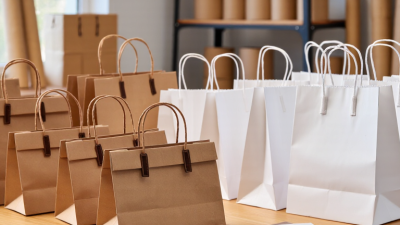
What Are the Different Types of Small Paper Bags?
Small paper bags look simple on a counter, but their shape, paper weight, and opening style can change how well they carry a product. A flat bag suits a greeting card or takeaway cutlery. A gusseted bag stands wider for pastries, produce, or small gifts. SOS bags open into a square base, while handled shopping bags make heavier purchases easier to carry. Small details matter.
The U.S. Environmental Protection Agency’s 2018 materials report recorded 33.3 million tons of paper and paperboard containers and packaging recycled, out of 41.9 million tons generated. That national figure is useful context, but it does not tell us whether one particular bag is recyclable or right for every product. Local collection rules, coatings, and food residue can affect the answer. Packaging author Walter Soroka describes packaging as “the science, art, and technology of enclosing or protecting products for distribution, storage, sale, and use.” A useful reminder. Function comes first.
This guide compares common small paper bags by construction and use: flat, gusseted, SOS, merchandise, bakery, and windowed styles. It also considers handles, closures, paper grades, and sizing. A bag that looks sturdy may still crease under a jar’s weight; appearance alone can mislead. Choosing well means matching the bag to the item, the customer, and the way it will be handled. No single type wins every time.
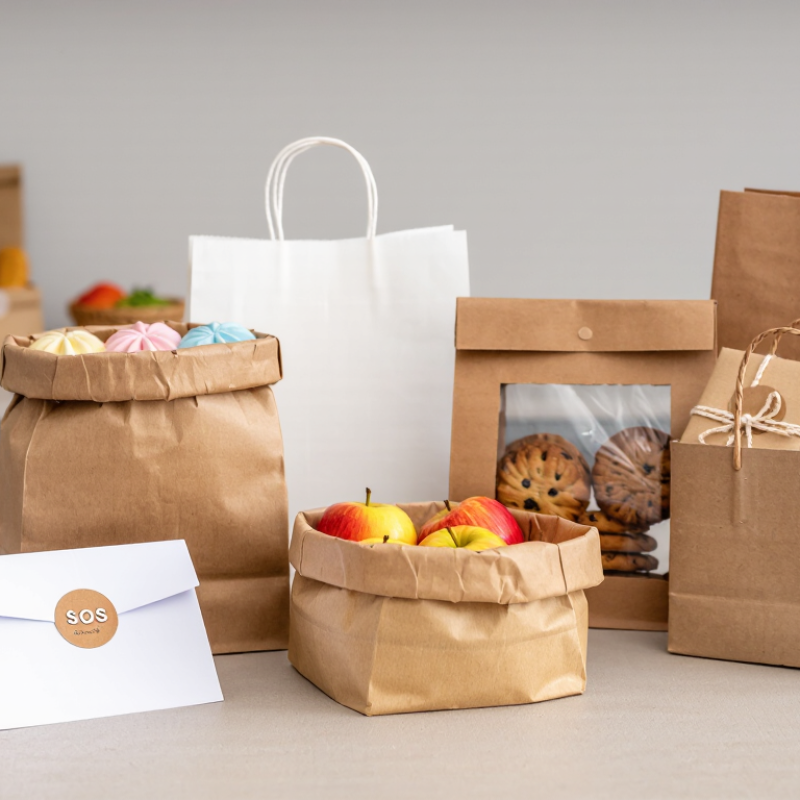
Defining Small Paper Bags and Their Key Features
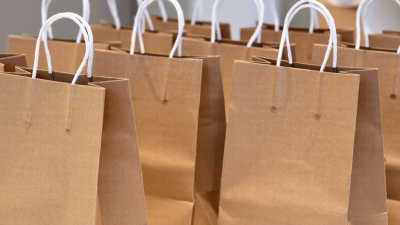
Small paper bags have no universal size standard. In retail, “small” usually describes a compact bag for items such as jewelry, cosmetics, snacks, or a folded shirt. Its practical features include a narrow base, short handles or no handles, and paper weight suited to the load. A small bag should stand upright on a counter, yet fold flat for storage. The exact size still depends on the product; a bottle needs more depth than a card or sample.
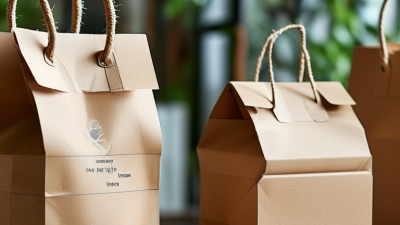
Paper type shapes both feel and performance. Kraft paper offers a natural, slightly textured surface, while coated paper can provide a smoother finish and sharper print. Flat handles suit light purchases; twisted-paper handles are often more comfortable for heavier ones. However, a thicker bag is not automatically the better choice. It can use more material without solving problems such as a weak bottom fold. The U.S. EPA’s 2018 Advancing Sustainable Materials Management report recorded a 68.2% recycling rate for paper and paperboard overall. That figure does not represent small bags alone, but it shows why material choice and local recycling guidance matter.
Tips: Test a sample with the actual product. Check the base, handle attachment, and fit before ordering in bulk. A little extra room helps; too much makes small items shift around.
Classifying Bags by Shape and Construction
Small paper bags are often classified by their shape and how their panels are joined. Flat bags have a simple front, back, and sealed bottom, with little or no side depth. They suit lightweight items such as greeting cards, samples, or a few cookies. Their slim profile stores easily, but bulky contents can strain the bottom seam.
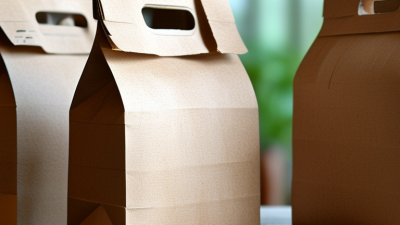
Gusseted bags have folded sides that open to make room for wider objects. A square-bottom version stands upright and spreads weight across a broader base, making it useful for small jars or takeaway treats. Some bags use a folded, reinforced base; others rely on a simpler glued seam. Check how the bottom is finished. Small details matter.
Construction also changes how a bag feels in use. Twisted-paper or flat-paper handles are attached near the top, while handleless designs may have a folded lip for carrying or closure. A side-gusset bag can hold more than a flat bag of similar height, though its actual capacity depends on paper weight and dimensions. Shape alone can mislead. I would compare the base width, seam placement, and intended load before choosing; a bag that looks sturdy may still soften when exposed to moisture.
What Are the Different Types of Small Paper Bags?
Representative dimensions for common bag constructions. Measurements are width, side gusset (depth), and height in centimeters; actual sizes vary by manufacturer.
Flat pouches have no side gusset, while gusseted bags expand to hold bulkier items. SOS and block-bottom bags have formed bases that help them stand upright.
Common Types of Small Paper Bags
Flat paper bags are among the simplest small paper bags. Their slim shape suits greeting cards, lightweight accessories, and single bakery items. They take up little storage space, but they do not stand open on their own. That can make packing slower when staff need both hands free. A square-bottom, or SOS-style, bag stands upright and usually has side folds for extra room. It works well for takeaway snacks, small groceries, and compact gifts. Not every item fits.
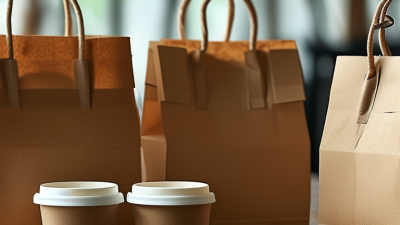
Gusseted bags have expandable sides, so they can hold objects that are wider than a flat bag allows. Small handled bags are easier to carry and often suit gift shops or retail counters, though handles can add bulk. Window bags show part of the contents, which helps customers see baked goods or small packaged items without opening the bag. A clear window is useful, but it may not protect delicate contents from pressure. In practice, the best choice depends on the item’s weight, shape, and surface. Paper strength and any grease-resistant lining vary, so testing a sample with the actual product is sensible. A tidy-looking bag is not always the easiest one to pack.
What Are the Different Types of Small Paper Bags? – Common Types of Small Paper Bags
| Bag Type |
Typical Construction |
Handles |
Common Uses |
Key Characteristics |
| Flat Paper Bag |
Simple folded paper tube with a flat bottom; usually has no side gussets. |
None |
Small retail items, cards, snacks, and lightweight takeaway goods. |
Lightweight and space-efficient. Best suited to relatively flat or small items. |
| Square-Bottom (SOS) Bag |
Self-opening paper sack with a squared base and folded side gussets. |
None |
Groceries, bakery goods, takeaway orders, and small household purchases. |
Stands upright when opened and provides more usable capacity than a flat bag. |
| Twisted-Handle Shopping Bag |
Paper bag with a rectangular base, side gussets, and handles made from twisted paper cord. |
Twisted paper handles |
Small retail purchases, gifts, and event favors. |
Convenient to carry and commonly made from kraft or coated paper; carrying capacity depends on paper weight and construction. |
| Flat-Handle Paper Bag |
Shopping bag with paper handles formed from folded, glued strips. |
Flat paper handles |
Takeaway food, small retail goods, and general shopping. |
Handles lie relatively flat against the bag when not in use, making the bags easy to stack. |
| Window Paper Bag |
Paper bag with a transparent film or coated-paper window on one or more panels. |
Usually none; some retail versions have handles |
Cookies, confectionery, coffee, dry foods, and other display-friendly products. |
Allows the contents to be seen. Food suitability and freshness protection depend on the materials and any interior barrier. |
| Gusseted Paper Bag |
Bag with folded side panels that expand when filled; may have a flat or squared base. |
Usually none, though shopping versions may have handles |
Small boxed items, food products, and goods that need extra width or depth. |
Side gussets provide additional volume while allowing the bag to fold relatively flat for storage. |
Bag dimensions, paper weight, coatings, and carrying capacity vary by design and manufacturer. Choose a bag based on the product’s size, weight, and packaging requirements.
Materials and Finishes Used in Small Paper Bags
Small paper bags often use kraft, recycled, or coated paper, and each material behaves differently. Kraft paper has a natural, slightly fibrous surface that suits simple retail packaging. It hides minor scuffs well, though its rough texture can make fine print look less crisp. Recycled paper may show small flecks or uneven shades. That variation can feel authentic, but it may also make color matching less predictable.
Coated paper offers a smoother surface for detailed graphics and brighter colors. A matte finish softens reflections and feels understated, while gloss makes colors appear more vivid. Neither finish is automatically better. Gloss can show fingerprints, and matte surfaces may rub during handling. Aqueous coatings add some resistance to moisture and abrasion, but they do not make a paper bag waterproof. Keep that distinction in mind.
Finishing choices should match how the bag will be used. A small gift bag carried briefly can prioritize appearance; a bag holding jars or several items needs suitable paper weight and secure handles. Foil details or embossing can add texture, but extra decoration may crease or wear at folds. Test a sample with the intended contents. Check the bottom seam, handle attachment, and printed color under ordinary indoor light. Small differences matter. A finish that looks elegant on a screen can feel too slippery or glossy in hand. Sometimes a simpler surface works better.
Choosing a Small Paper Bag for Different Needs
Choosing a small paper bag starts with what it must carry.
A flat paper bag suits greeting cards, receipts, or a thin paperback. For a candle jar or a few pastries, choose a gusseted bag with a wider base. Check the item’s height and width, then leave room to close the top without crushing it. A snug fit looks tidy. Too snug can tear.
Handles matter when customers will carry the bag beyond the counter. Twisted-paper handles are useful for small gifts, while handle-free bags take less storage space. For heavier items, check the paper weight and handle attachment rather than judging by appearance alone. A small bag can look sturdy and still split at the fold. That detail is easy to miss.
Food and gift packaging need different features. A grease-resistant lining can help with buttery cookies, but it may affect recycling options, so check local guidance. A clear window shows the product, though it adds another material to consider. For jewelry or soaps, a simple kraft bag may be enough; add tissue if the item could scuff. It is tempting to choose the smallest size to save space. I would test a sample with the actual product first, especially if its shape is irregular. A quick fit check prevents awkward bulges and damaged corners.