


Where to Buy the Best Cheap Paper Bags from China?
Where to Buy the Best Cheap Paper Bags from China?
Finding reliable cheap paper bags from China requires more than comparing the lowest quotation. Buyers must examine paper weight, handle strength, printing quality, factory experience, and inspection procedures. A bag that looks inexpensive may fail beside a wet takeaway container or tear during delivery. That mistake becomes expensive quickly.
Packaging specialist Lisa McTigue Pierce offers a useful purchasing principle: “Packaging must protect the product before it promotes the brand.” This idea fits paper bag sourcing well. Ask suppliers for physical samples, not only digital photographs. Test a sample with your actual products. Place two bottles inside. Carry it across a warehouse floor. Check whether the twisted handles loosen or the bottom opens.
Established Chinese manufacturers often serve food retailers, cafés, boutiques, and e-commerce companies. Their product pages may show kraft bags, white paper bags, luxury shopping bags, and custom printed options. However, photographs can hide thin paper, uneven color, or weak adhesive seams. Request material specifications, production videos, quality certificates, and recent export references. Confirm the factory’s minimum order quantity and sample policy.
Price matters.
It is not everything.
A dependable supplier should explain paper grades, dimensions, coating choices, ink systems, packaging methods, and lead times clearly. Buyers should also confirm shipping terms and inspect cartons before final acceptance. Some suppliers communicate well before payment, then respond slowly during production. That deserves careful attention.
This guide compares practical sourcing routes, supplier signals, sample checks, and cost factors. It also recognizes an uncomfortable truth: the cheapest option is not always the best value. A slightly stronger bag may reduce complaints, waste, and replacement orders. The right choice balances price, performance, appearance, and dependable service.
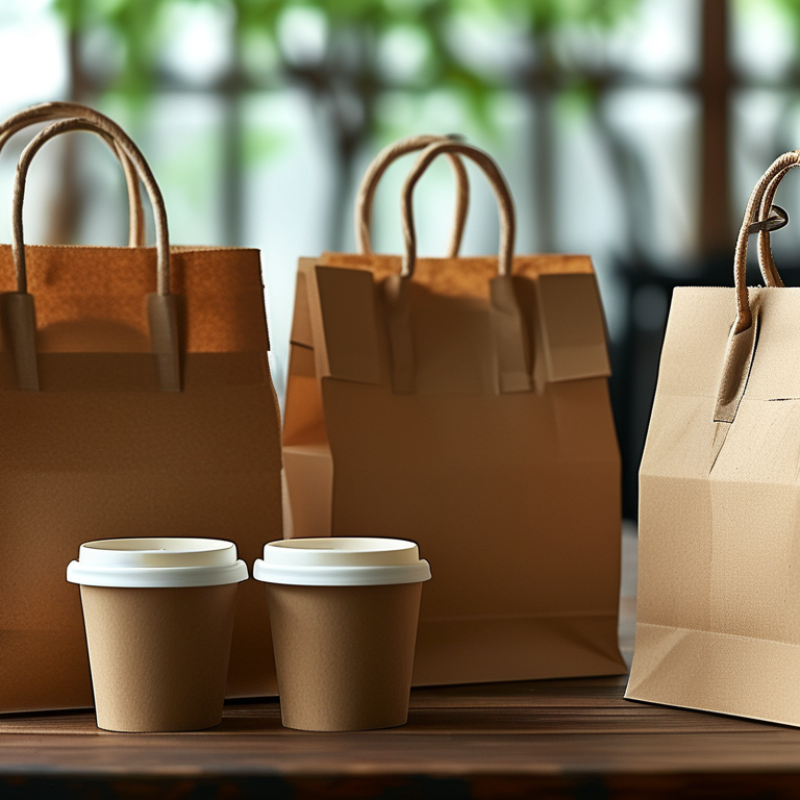
What to Know Before Buying Cheap Paper Bags from China
Buying cheap paper bags from China requires more than comparing unit prices. Low quotes may exclude printing, handles, packaging, or shipping. Ask suppliers for a complete quotation with clear terms. Request a physical sample before ordering. Check the paper weight, usually measured in GSM, and test the bag with your intended product. A 90 GSM bag may suit lightweight items, but heavier goods need stronger paper and reinforced handles. Measure the bag carefully. A few centimeters can affect usability.
Reliable sourcing also depends on production control. Ask for factory photos, material details, estimated lead time, and recent quality records. Confirm whether the paper contains recycled content, if that matters to your customers. Discuss color limits and printing tolerance before approval. Small color differences can appear between batches. I have found that written specifications prevent more problems than friendly promises. Still, inspections are not perfect. A sample can pass while a large shipment shows weak glue or uneven folding. Consider a pre-shipment inspection through an independent service, and keep all approved samples.
Tips: Compare the landed cost, not only the factory price. Check minimum order quantities and carton dimensions. Confirm handle strength with a simple load test. Ask how damaged units are handled. Leave time for corrections. Cheap is useful only when quality remains consistent.
Where to Buy the Best Cheap Paper Bags from China? - What to Know Before Buying Cheap Paper Bags from China
| Buying Dimension | Typical Market Reference | Why It Matters | What to Confirm Before Ordering |
|---|---|---|---|
| Common Paper Types | Kraft paper, recycled kraft paper, white kraft paper, and coated paper | Paper type affects strength, appearance, print quality, recyclability, and cost. | Ask for the paper composition, recycled content, surface finish, and a physical sample. |
| Paper Grammage | Approximately 60–120 g/m² for many retail and takeaway bags; heavier grades are available for demanding loads. | Higher grammage generally improves stiffness and load resistance, but increases material usage and shipping weight. | Confirm the actual grammage tolerance and whether the quoted value applies to the bag body or the handles. |
| Bag Size | Small: about 180 × 80 × 230 mm; medium: about 260 × 120 × 320 mm; large: about 320 × 150 × 420 mm | The finished dimensions determine product fit, usable volume, packing efficiency, and freight volume. | State dimensions in the order length × side gusset × height and request a tolerance for each measurement. |
| Handle Options | Flat paper handles, twisted paper handles, die-cut handles, or handle-free designs | Handle construction affects comfort, appearance, production cost, and carrying capacity. | Check handle length, attachment method, reinforcement patches, and performance under the intended load. |
| Printing | One-color or two-color flexographic printing is commonly more economical for large runs; offset or digital printing suits more detailed artwork. | Printing method influences color accuracy, setup charges, minimum order quantity, and unit price. | Confirm print sides, number of colors, ink type, artwork format, color reference, and proof approval procedure. |
| Order Quantity | Small custom orders may begin around 1,000–5,000 pieces; larger production runs usually achieve lower unit costs. | Paper, printing setup, tooling, packaging, and labor costs are spread across the order quantity. | Request separate quotations for sample quantities, trial orders, and full-container or repeat orders. |
| Quality Checks | Key checks include dimensions, grammage, seam adhesion, handle strength, bottom construction, print registration, and moisture damage. | A low quoted price is not useful if bags arrive damaged, inconsistent, or unsuitable for the intended load. | Use an approved sample, written specifications, pre-shipment inspection, and carton drop or load testing where appropriate. |
| Packaging for Export | Bags are commonly packed in inner bundles and then placed in corrugated export cartons; carton quantities vary by bag size. | Proper packing reduces crushing, moisture exposure, contamination, and counting errors during transport. | Confirm bundle quantity, carton dimensions, gross weight, net weight, carton markings, and pallet requirements. |
| Shipping Factors | Sea freight is generally more economical for larger shipments; air freight is faster but usually has a higher transport cost. | Paper bags are lightweight but bulky, so both actual weight and volumetric space can affect freight charges. | Compare total landed cost, including product price, inland transport, freight, insurance, duties, taxes, and destination charges. |
| Trade Terms | Common quotation terms include EXW, FOB, CIF, and DDP, each assigning different cost and risk responsibilities. | A lower factory quotation may exclude export handling, freight, customs clearance, or delivery to the final address. | Make sure the quotation states the named place, included services, payment schedule, production time, and validity period. |
| Compliance Documents | Depending on the destination and use, buyers may request material declarations, recycled-content evidence, food-contact documentation, or packaging compliance records. | Regulatory requirements differ by country and by whether the bag directly contacts food or only carries packaged goods. | Provide the destination country, intended use, applicable regulations, and required test or declaration documents before production. |
| Lead Time | A standard repeat order may take roughly 15–30 days after artwork and specifications are approved; custom development can require additional time. | Production schedules depend on material availability, printing complexity, quantity, inspection, and shipping arrangements. | Request a written timeline covering sample approval, production, inspection, dispatch, and estimated transit time. |
Note: The figures above are practical market-reference ranges rather than fixed quotations. Final specifications, pricing, compliance requirements, and delivery terms should be confirmed in writing before placing an order.
Related Posts
-
Best 10 Cheap Paper Bags for Eco Friendly Packaging Solutions?
-

2026 Top Trends in Cheap Paper Bags for Sustainable Packaging Solutions?
-

Why Custom Paper Shopping Bags Are Essential for Your Business Success
-

Top Tips for Choosing Customized Paper Bags for Your Business?
-

What is the Benefit of Using Paper Bags for Your Business and Environment
-
10 Tips to Buy Paper Bags That Are Eco Friendly and Affordable