2026 Best Brown Paper Bags for Wholesale Buyers
Choosing the right brown paper bags for wholesale orders requires more than comparing prices. In 2026, buyers must examine paper strength, handle construction, size accuracy, printing quality, and packing efficiency. A bag that looks attractive may still fail under a heavy takeaway container. Test it in real conditions. Fill it with boxed meals, bottled drinks, or retail products. Then lift it repeatedly and inspect the seams.
This guide focuses on practical choices for restaurants, retailers, cafés, and event suppliers. We consider kraft paper weight, recycled content, flat and twisted handles, moisture resistance, storage needs, and customization options. Supplier reliability also matters. Ask for samples, production details, quality records, and clear delivery terms. Small differences can affect thousands of units. A slightly stronger base may reduce customer complaints. Better carton packing may lower warehouse damage.
No single bag suits every order. That is worth remembering. A low-cost option can be sensible for lightweight goods, but risky for dense products. Some printed bags look excellent in samples yet show color variation in large production runs. Buyers should check approved artwork, dimensions, tolerances, and inspection procedures before placing a bulk order. Sustainability claims deserve careful review, too. Request supporting documentation instead of relying on attractive wording. The best wholesale decision balances performance, appearance, responsible sourcing, and total cost. This selection aims to make that evaluation clearer, more practical, and easier to verify.
Brown Paper Bag Types and Their Wholesale Applications
Brown Paper Bag Types and Their Wholesale Applications
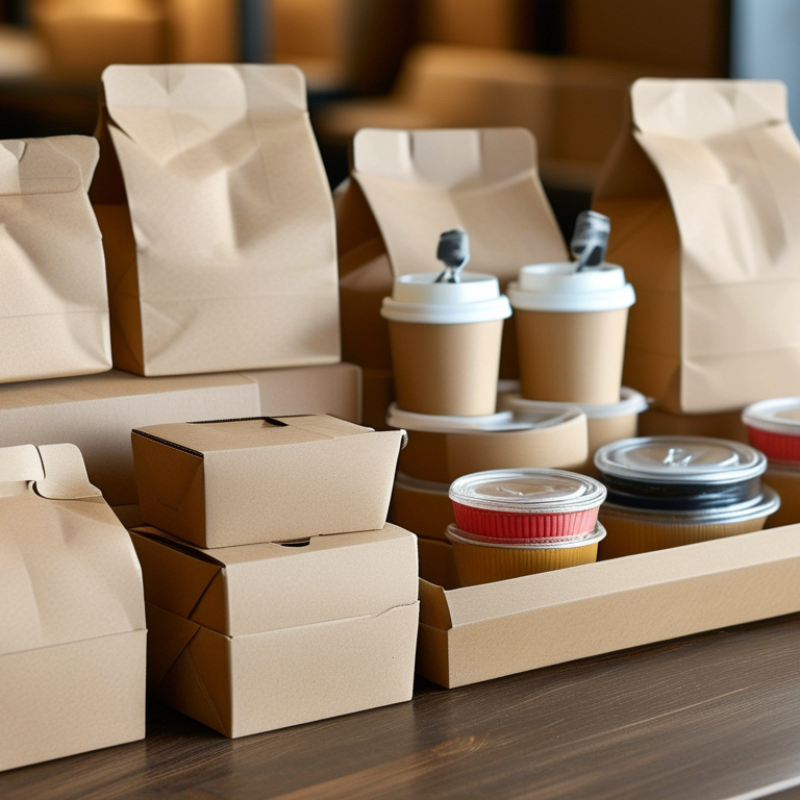
Brown paper bags look simple, but wholesale performance depends on structure, paper weight, and handling conditions. Standard kraft bags suit bakeries, cafés, takeaway counters, and small retail orders. Their smooth surface supports stamps, labels, or one-color printing. Recycled kraft adds a natural appearance, though its shade may vary between production batches.
SOS paper bags stand upright because their square bottoms open quickly. They work well for groceries, lunch orders, and pharmacy-style retail packaging. Flat paper bags are lighter and more compact, making them useful for sandwiches, pastries, documents, and small accessories. Pinch-bottom bags offer extra strength for heavier bakery items or boxed products. Choose carefully. A wider base does not always mean better stability.
For wholesale buyers, paper weight should match the product, not only the lowest unit price.
Around 50–70 gsm may fit lightweight goods, while heavier contents often need reinforced construction. Handles also affect labor speed. Twisted paper handles feel comfortable, while flat handles can reduce material use.
In my experience, handle attachment is an easy quality checkpoint: uneven bonding creates customer complaints quickly.
Moisture remains a weakness. Greasy or hot products may require an approved inner barrier, depending on the intended use and local food-contact requirements. Test filled bags for ten minutes before placing a large order. That small trial can reveal weak seams, poor sizing, or disappointing print contrast.
Key Material and Construction Features to Compare
2026 Best Brown Paper Bags for Wholesale Buyers
When comparing brown paper bags, start with material strength rather than appearance. Kraft paper between 80 and 120 GSM suits many everyday retail uses. Heavier paper adds stiffness, but it can increase shipping weight and cost. Check recycled content, fiber consistency, and surface smoothness. A rough surface may weaken printed details or feel unpleasant in the hand. Moisture resistance also matters for chilled goods, although paper bags are not waterproof containers.
Construction deserves equal attention. Look for reinforced flat handles, folded gussets, and tightly bonded side seams. The base should remain square when opened. Test bags with realistic loads, not only empty samples. I once underestimated handle comfort; thin cords cut into the fingers after several minutes. That small issue can affect repeat orders. Dimensions should match the actual product, including packaging space. A bag that is slightly too narrow often tears near the top.
Tips: Request pre-production samples and measure every panel. Test stacking, lifting, and short-term storage. Ask suppliers for GSM data, load-test records, and material declarations. Do not assume thicker paper means better performance. It may hide weak seams or poor folding. Compare ten samples, not one. Small production differences can become expensive at wholesale volume.
2026 Best Brown Paper Bags for Wholesale Buyers: Key Material and Construction Features to Compare
The chart compares representative wholesale specifications for common brown paper bag constructions. Higher paper basis weight and additional wall layers generally improve stiffness and carrying capacity, while laminated kraft provides better resistance to moisture. Actual performance varies by bag size, paper quality, handle design, bottom construction, and supplier testing.
How to Evaluate Size, Capacity, and Paper Strength
For wholesale buyers, bag size is not a cosmetic choice. It controls material use, shipping efficiency, and customer experience. FAOSTAT reported approximately 417 million tonnes of global paper and paperboard production in 2022. That scale makes consistent specifications essential. Measure the finished bag, not only the flat sheet. A 260 × 140 × 330 mm bag may hold a light box, but bulky products need extra gusset space.
Capacity should be tested with the real product. Fill sample bags with the intended load, including sharp corners and uneven weight. Record both volume and handle comfort. A bag that carries 8 kilograms in a laboratory may feel unsafe after several minutes. Small differences matter. Check the bottom fold, side seams, and handle attachment. Do not trust appearance alone.
Paper strength depends on grammage, fiber quality, moisture, and construction. Use tensile, tear, burst, and compression tests where possible. ISO 536 defines paper grammage measurement, while ISO 2758 covers burst strength testing. Smithers’ paper packaging market analysis expects continued growth through 2029, driven partly by retail and foodservice demand. That growth may encourage faster purchasing decisions, sometimes too fast. Request production samples, test them after storage, and compare results across batches. A heavier paper is not automatically better. In humid warehouses, even strong paper can soften noticeably. I would also challenge my own test: one successful lift proves very little.
2026 Best Brown Paper Bags for Wholesale Buyers - How to Evaluate Size, Capacity, and Paper Strength
Wholesale Pricing, Supplier Selection, and Order Planning
Wholesale buyers in 2026 should evaluate brown paper bags by delivered cost, not unit price alone. Ask suppliers for quotes at several quantities, such as 5,000, 20,000, and 50,000 bags. Request separate figures for printing, handles, packing, and inland freight. A low quote can become expensive after these additions.
Check paper weight, dimensions, handle strength, and moisture resistance with physical samples. A 120 gsm bag may suit lightweight bakery items, while heavier goods need stronger paper and reinforced bases. Review production equipment, quality records, export experience, and response speed. Ask how defects are inspected and replaced. Clear answers matter.
Plan orders around sales history and storage space. Calculate average weekly use, then add a modest safety stock for seasonal demand. Keep cartons dry and raised from the floor. My early estimates were too optimistic; packaging demand often rises during promotions. However, excessive stock can trap cash and occupy valuable warehouse space. A trial order of 1,000 to 3,000 units can reveal handle failures, size issues, and print inconsistencies before a larger commitment. Confirm the sample approval process, production timeline, carton quantity, and payment schedule in writing. Leave room for delays. Suppliers are not machines.