Why Choose Paper Shopping Bags for Your Business Needs?
In today's environmentally conscious market, businesses face choices about packaging. Paper shopping bags have emerged as a popular option for many retailers. They not only showcase products but also reflect a commitment to sustainability. Choosing paper shopping bags can enhance your brand's image and appeal to eco-minded consumers.
These bags come in various sizes and designs, making them versatile for different types of businesses. Their sturdy construction allows for secure transportation of items, enhancing customer satisfaction. However, some may ponder the costs associated with paper bags versus plastic alternatives. While it may seem like a higher upfront investment, the long-term benefits often outweigh initial expenses.
Moreover, paper shopping bags can be customized with logos, creating marketing opportunities. This personalization can help establish brand recognition. Overall, businesses should weigh their options carefully. The choice of using paper shopping bags requires thoughtful consideration, but the positive impact on the environment and brand perception can be significant.
Benefits of Paper Shopping Bags over Plastic Options
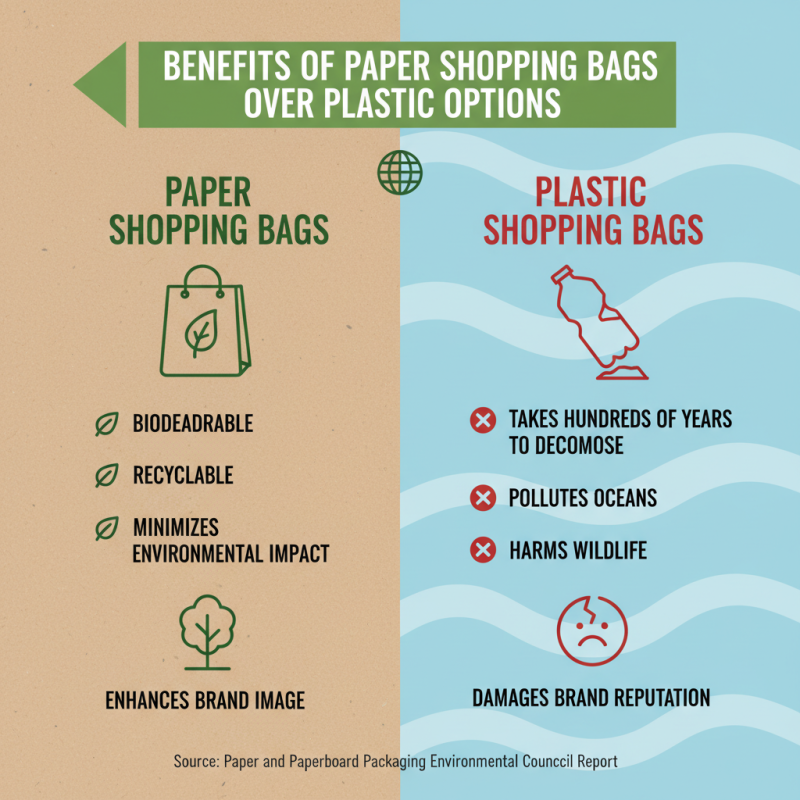
In the realm of retail, paper shopping bags are gaining traction as a sustainable alternative to plastic. According to a report by the Paper and Paperboard Packaging Environmental Council, paper bags are biodegradable and recyclable, minimizing environmental impact. In contrast, plastic takes hundreds of years to decompose. With increasing awareness of sustainability, businesses can enhance their brand image by choosing eco-friendly options.
A study from the University of California revealed that paper bags hold more weight than their plastic counterparts. This means they can carry more merchandise, reducing the need for multiple bags on a single shopping trip. Additionally, consumers are willing to pay a premium for sustainable packaging. Research shows that 72% of shoppers prefer brands that use environmentally friendly packaging. Businesses adopting paper bags can attract conscientious customers, promoting greater loyalty.
Despite the benefits, some challenges remain. Paper bags may not be as durable in wet conditions compared to plastic. Their production is also energy-intensive, leading some skeptics to question their overall sustainability. Transitioning to paper may incur initial costs, yet the long-term benefits outweigh these concerns. As consumer preferences shift, it’s crucial for businesses to consider the broader impact of their packaging choices.
Environmental Impact of Using Paper Shopping Bags
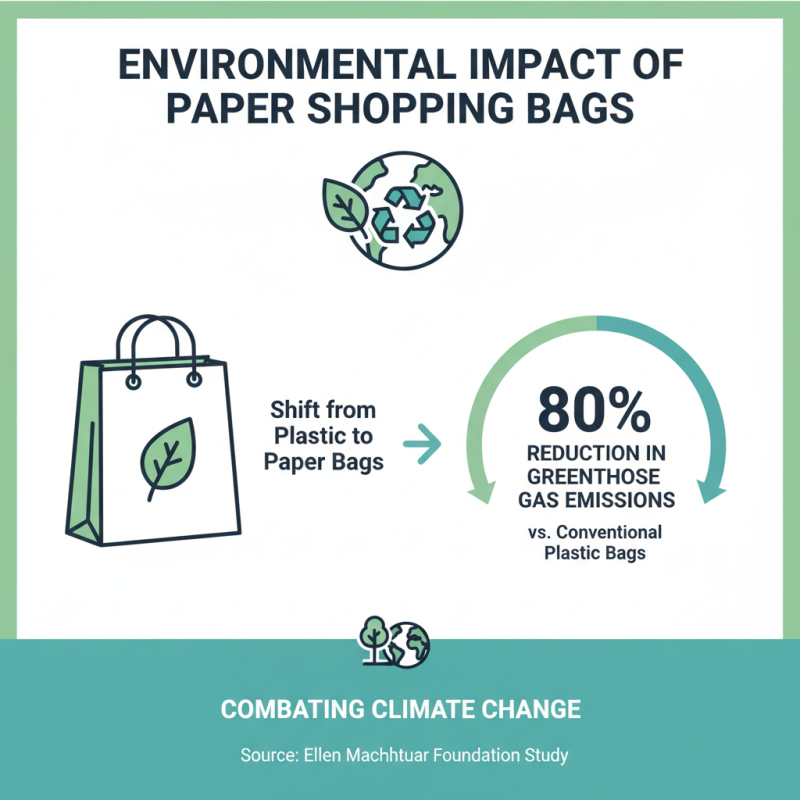
The environmental impact of using paper shopping bags is substantial. In recent years, the shift from plastic to paper bags has gained momentum. According to a study by the Ellen MacArthur Foundation, switching to paper can reduce greenhouse gas emissions by up to 80% compared to conventional plastic bags. This reduction plays a crucial role in combating climate change.
However, there are challenges in the paper bag production process. The manufacturing of paper requires significant amounts of water and energy. A report from the European Commission highlights that it takes about 2.7 liters of water to produce just one paper bag. This statistic raises questions about resource consumption and sustainability. While paper bags are often seen as eco-friendly, their production does have an environmental footprint.
Moreover, not all paper bags are recyclable or biodegradable. Some are treated with chemicals that hinder decomposition. The stage at which these bags end their lifecycle matters greatly. Ensuring proper disposal is vital to achieving the desired environmental benefits. Transitioning to paper shopping bags will only be successful if consumers are educated about their impact. Without awareness, even well-intentioned choices may lead to unintended consequences.
Customizability and Branding Opportunities with Paper Bags
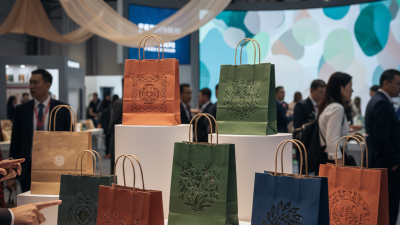
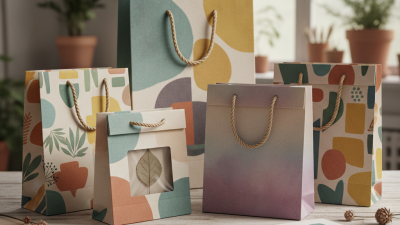
In today's competitive market, customizability is key for businesses. Paper shopping bags stand out as a versatile branding tool. They can be designed in various shapes and sizes to suit specific needs. Consider using unique colors and artwork that reflect your brand identity. This approach can enhance visibility and create a memorable customer experience.
Branding opportunities with paper bags are significant. Businesses can add logos, slogans, or even QR codes for promotions. This turns each bag into a mobile advertisement. When customers use these bags, they showcase your brand to a wider audience. However, it is vital to ensure the design aligns with your brand message. An inconsistency may confuse customers.
Sustainability is another factor to think about. Paper bags are often seen as eco-friendly. Many consumers prefer sustainable options. However, just branding with eco-friendly materials does not guarantee success. Brands must also emphasize their commitment to sustainable practices. Reflecting on these elements can strengthen your branding strategy and foster customer loyalty.
Cost-Effectiveness of Paper Bags for Business Operations
Paper shopping bags offer a cost-effective solution for businesses aiming to enhance their brand image while remaining budget-conscious. A report by the Paper and Paperboard Packaging Environmental Council indicates that paper bags can be produced at a lower cost than traditional plastic bags when considering the entire lifecycle. In many cases, businesses save on shipping and storage due to the lightweight nature of paper.
The growing consumer preference for eco-friendly products has made paper bags even more appealing. According to a survey conducted by the industry experts at Smithers Pira, 66% of consumers prefer shopping with brands that use sustainable packaging. This shift can potentially translate into increased sales and customer loyalty. However, the initial costs of switching from plastic to paper may seem daunting for some businesses.
Despite the upfront investment, consider the potential long-term savings. Paper bags are biodegradable and can enhance a company's sustainability profile. Their recyclable nature adds value for environmentally-conscious customers. The challenge lies in balancing these costs while ensuring that the bags effectively promote brand identity and craftsmanship. It's essential for businesses to evaluate both immediate and future financial impacts as they navigate their packaging choices.
Cost-Effectiveness of Paper Shopping Bags for Your Business Needs
Durability and Versatility in Various Retail Settings
In retail, paper shopping bags are prized for their durability and versatility. According to a study by Smithers Pira, the global demand for paper bags is projected to reach 5.4 million tons by 2024. This increase highlights a shift towards sustainable packaging options. Retail environments now equally value aesthetics and functionality. Paper bags serve both needs effectively.
Their robust design allows customers to carry heavy items without worry. In contrast, plastic bags often tear or become damaged. Consumers increasingly prefer eco-friendly options. A survey revealed that 72% of shoppers are influenced by a store's sustainability practices. Using paper shopping bags reflects a commitment to environmental responsibility.
Tips: Choose bags with reinforced handles for added strength. This small upgrade can significantly enhance customer satisfaction. Additionally, consider custom designs that reflect your brand’s identity. Unique visuals can attract attention and encourage repeat business. Even small changes can make a big impact on your brand's image.
Why Choose Paper Shopping Bags for Your Business Needs? - Durability and Versatility in Various Retail Settings
| Dimension |
Detail |
Benefits |
| Material |
Recyclable paper |
Eco-friendly and sustainable |
| Strength |
Tear-resistant and sturdy |
Holds heavier items securely |
| Customization |
Printed designs available |
Enhances brand visibility |
| Sizing Options |
Variety from small to large |
Accommodates different products |
| Cost |
Affordable in bulk |
Reduces overall packaging expense |
| Use Cases |
Retail shops, markets, events |
Versatile for many retail situations |