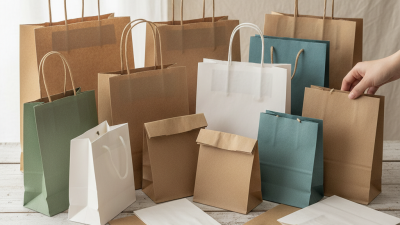
Back to top

Why Choose Paper Shopping Bags for Your Business?

Why choose paper shopping bags for your business? The answer involves more than appearance, branding, or a soft rustle at checkout. Paper shopping bags can combine practical strength, renewable materials, and a more visible sustainability message. However, responsible decisions require evidence, not attractive claims.

The Confederation of European Paper Industries reported that Europe’s paper recycling rate remained above 80% in its 2023 statistics. That figure supports paper’s circularity, although recycling depends on collection systems, clean materials, and local infrastructure. The U.S. Environmental Protection Agency also identifies paper and paperboard as major recyclable materials in municipal waste streams. These reports suggest genuine potential, not automatic environmental perfection. Every bag still consumes energy, water, transport capacity, and raw materials.

Phil Riebel, a paper-industry sustainability specialist associated with Two Sides, stated: “Paper is a renewable, recyclable and biodegradable material.” That concise description explains why many retailers select paper shopping bags for stores, exhibitions, and deliveries. A well-made bag can carry folded clothing, boxed cosmetics, or several books without losing its shape. Twisted handles also provide a comfortable grip during short walks between shops and cars.

Yet paper is not always the best option. Heavy products may require reinforced bases, stronger grammage, or different packaging formats. Moisture can weaken untreated paper quickly. Businesses should compare bag weight, recycled content, certified sourcing, reuse potential, and local recycling access before ordering. That process can reveal uncomfortable trade-offs. A thinner bag may save material but fail sooner. A thicker bag may perform better but increase material use. The responsible choice is the one measured in real conditions, not assumed from appearance alone.
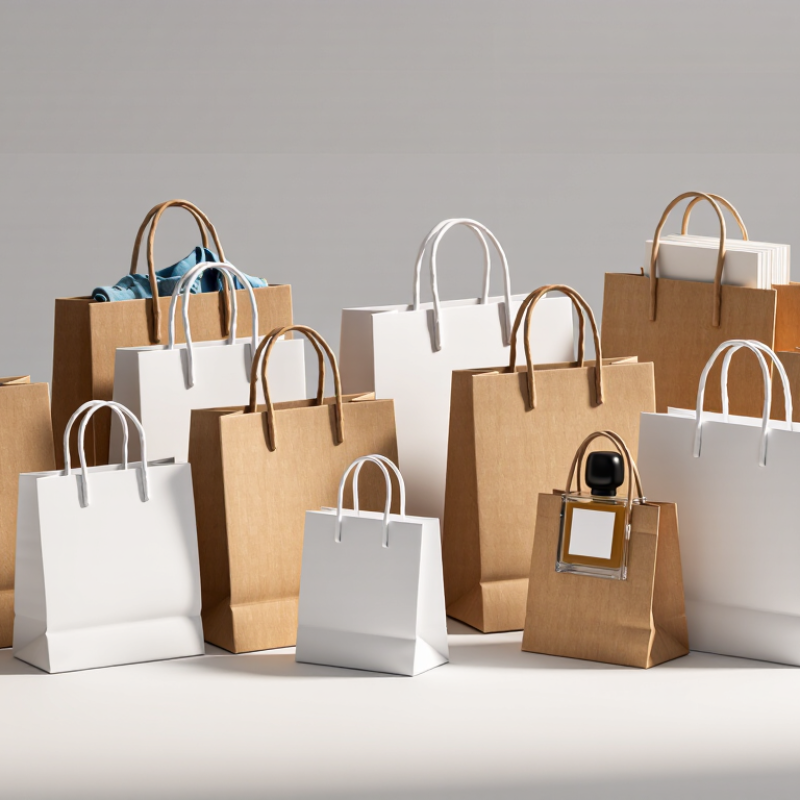
Why Choose Paper Shopping Bags for Your Business?

What Are Paper Shopping Bags and How Are They Made?

Paper shopping bags are containers made from paperboard or kraft paper, usually produced from wood fiber or recycled paper. Their flat surfaces support printed instructions, product details, and simple artwork. They also fold neatly, which helps stores save space before use.

Manufacturing begins when fibers are pulped with water. The mixture is cleaned, screened, and spread into thin sheets. Large rollers press out moisture, while heated cylinders dry the paper. Some bags use virgin fiber for strength, while others include recycled content. The choice affects texture, durability, and appearance.

After drying, the paper is cut and folded into bag panels. Adhesive joins the seams, and paper or twisted handles are attached. Factories inspect dimensions, seam strength, handle attachment, and print quality. In practical packaging work, these checks prevent torn bottoms and uneven openings. Small details matter. A heavy product needs stronger paper and reinforced stress points. A lightweight bag may need less material, but it can feel fragile in damp weather. Paper bags are not automatically the best environmental choice. Their benefits depend on responsible sourcing, efficient production, repeated use, and proper recycling access. I have found that attractive designs sometimes encourage reuse, yet excessive ink or oversized construction can reduce that advantage. The design process still needs honest review.

Which Business Benefits Do Paper Shopping Bags Provide?

Why Choose Paper Shopping Bags for Your Business?

Paper shopping bags can give businesses practical benefits beyond carrying products. In packaging projects, I have found that customers often notice the bag before the receipt. A clean paper surface feels considered, especially when it has sturdy handles and a suitable size. That small detail can make a store visit feel more professional.

Paper bags also support flexible branding. Businesses can print a logo, opening hours, or a short care message directly on the surface. Simple designs usually remain easier to read. Paper is made from renewable fiber, and many bags can enter local recycling systems. However, recycling rules differ between communities. Businesses should check local requirements instead of making broad environmental promises.

Operational benefits matter, too. Flat paper bags can be stored efficiently behind a counter. Different sizes help separate clothing, books, food containers, or small gifts. A reinforced base can reduce tipping during transport. Still, paper is not perfect. Heavy or wet products may require stronger construction or an inner solution. I once selected a bag that looked attractive but failed under a dense load. That mistake showed why testing matters more than appearance.

A reliable purchasing process includes checking handle strength, paper weight, dimensions, and print quality. Staff can test filled bags before regular use. Customers appreciate bags that remain comfortable on a short walk. They also remember when packaging tears in a parking lot. Small decisions can shape trust.

How Do Paper Bags Support Branding and Customer Experience?

Paper shopping bags can turn an ordinary purchase into a visible brand experience. Their clean surface offers space for a logo, color palette, or brief message. Customers carry that message through streets, offices, and homes. Repeated exposure can improve recognition without making the package feel intrusive. A sturdy handle also matters. It reduces awkward carrying and communicates practical care. In my experience reviewing retail packaging, customers remember bags that feel useful, not merely decorative.

Consistent design helps customers identify a business before they read the receipt. Matching bag colors with store displays can make the shopping journey feel more connected. Texture adds another layer, too. A firm, softly finished bag feels different from a thin, noisy one. That detail matters. However, paper is not automatically sustainable or perfect. Poor sizing wastes material, while weak construction can damage the customer’s purchase. Businesses should choose suitable paper weight, realistic environmental claims, and clear disposal guidance. Honest communication builds more trust than exaggerated promises.

Tips: Keep the design simple and readable. Use one memorable color or message. Test handles with real products before ordering large quantities. Ask staff and customers for feedback. Small flaws can reveal bigger experience problems. Consider seasonal designs carefully, but protect your core visual identity. A practical bag should support the customer, not compete with the product.

Why Choose Paper Shopping Bags for Your Business? - How Do Paper Bags Support Branding and Customer Experience?

Business Dimension Relevant Paper Bag Attribute Branding and Customer Experience Benefit Practical Consideration
Visual Branding Paper provides a printable surface for logos, colors, messages, patterns, and product information. A coordinated bag can reinforce brand recognition as customers carry it in public. Use a clear hierarchy, high-contrast artwork, and colors that remain legible on the selected paper shade.
Material Appearance Natural kraft paper has a textured, neutral appearance, while bleached paper offers a lighter and cleaner print background. The material can support different brand positions, including natural, handmade, premium, or minimalist styles. Paper color and texture affect the final appearance of printed colors and should be checked with a production proof.
Customization Bags can be produced in different sizes, handle styles, paper weights, finishes, and print formats. Size-specific packaging can make the purchase feel more intentional and improve the presentation of the product. Match bag dimensions and carrying strength to the product weight, shape, and expected handling conditions.
Customer Convenience Twisted-paper, flat-paper, and cotton-style handles can be selected according to load and comfort requirements. A well-sized bag with comfortable handles makes checkout and transport easier for the customer. Test handle attachment points and the filled bag before placing a large production order.
Perceived Quality Heavier paper, reinforced bases, neat folds, and consistent printing can create a more substantial package. Strong construction can communicate care and reduce the negative experience associated with torn or damaged packaging. Additional paper weight and reinforcement may increase material use, shipping weight, and unit cost.
Reuse Potential Durable paper bags can often be reused for carrying small goods, gifts, or household items before recycling. Repeated use can extend the visibility of printed messaging beyond the original purchase. Reuse depends on dry conditions, suitable loading, intact handles, and the bag's construction quality.
Recycling Compatibility Clean paper bags are commonly accepted in paper recycling systems, but acceptance varies by location. A paper-based format can support a straightforward end-of-life message when local recycling guidance is followed. Remove food residue and non-paper components where required; check local rules because wet, greasy, laminated, or heavily contaminated bags may be excluded.
Plastic-Free Presentation Paper bags can provide a paper-based alternative to conventional single-use plastic carrier bags. The packaging choice may align with customer expectations for visible reductions in plastic use. Material substitution should be evaluated across strength, reuse, production impacts, transport, and local waste infrastructure.
Point-of-Sale Communication The front, sides, gussets, and bottom panels provide areas for messages such as care instructions or website addresses. The bag can continue communicating with the customer after checkout without requiring a separate printed insert. Keep essential information away from folds, seams, handles, and areas likely to experience abrasion.
Operational Efficiency Paper bags are available in standard formats as well as made-to-order dimensions. Consistent packaging can help staff pack orders faster and create a more uniform customer experience. Standard sizes can simplify purchasing and storage, while custom sizes may reduce unused space around certain products.
Seasonal Campaigns Printed artwork can be adapted for holidays, product launches, promotions, or local events. Limited campaign graphics can make packaging feel timely and encourage customers to notice the message. Separate campaign runs may require additional inventory planning and can leave excess stock if demand is misjudged.
Cost Planning Unit cost is influenced by paper grade, size, handle type, printing coverage, finishing, order quantity, and freight. A clearly defined specification helps balance appearance, function, and budget. Compare total delivered cost rather than unit price alone, including setup, storage, shipping, and quality-control requirements.

Important: Environmental performance depends on the paper source, manufacturing process, bag durability, reuse frequency, contamination level, and local collection and recycling infrastructure.

What Factors Should Businesses Consider When Choosing Paper Bags?

Why Choose Paper Shopping Bags for Your Business?

When choosing paper shopping bags, businesses should begin with the product, not the logo. A bakery carrying warm boxes needs stronger paper and a wider base. A small gift shop may need lighter bags with neat handles. I have seen attractive bags fail at the counter because the handle spacing was too narrow. That mistake looked minor. It was not. Bag size, paper weight, handle strength, and bottom construction should match real merchandise.

Material sourcing deserves equal attention. Ask whether the paper comes from responsibly managed sources, and request clear documentation. Recycled content can reduce virgin fiber use, but it may affect stiffness or print quality. Test both before placing a large order. Place sample bags under normal load for several minutes. Walk them from storage to checkout. Check for tearing, moisture damage, and handle stretching. A useful test is often less convincing than a supplier’s promise.

Cost should include more than the unit price. Consider storage space, delivery frequency, printing setup, and damaged stock. Simple designs may reduce waste, yet customers still notice rough edges or uneven printing. Handles also matter. Twisted paper feels secure, while flat handles can fold more easily. Ask about production tolerances and replacement procedures. Local recycling rules may influence coatings, inks, and mixed materials, so verify them before approval. I would not claim one bag fits every business. Even careful choices need review after a busy sales week.

How Can Businesses Use and Dispose of Paper Shopping Bags Responsibly?

Paper shopping bags can support a lower-waste retail routine when businesses manage them carefully.

Choose bags made with recycled fiber or responsibly sourced paper. Match bag size to the purchase. An oversized bag uses more material and may tear under a small load. Keep bags indoors, away from rain, grease, and dusty floors. A dry storage shelf matters.

Staff can offer one bag instead of two when items fit safely. They can also ask customers whether a bag is needed. Reuse is often the simplest option. A clean, sturdy bag may carry another purchase, store lightweight items, or protect products during local delivery. Add clear disposal guidance near the checkout and waste stations. Short signs work best.

Recycling requires clean, dry paper in many local systems. Remove plastic liners, ribbons, and food residue when possible. Wet or heavily stained bags may belong in general waste, depending on local rules. Composting is not automatic; industrial facilities may reject handles, inks, or coatings. Check the local collection provider before making claims.

Our process will not be perfect. Some bags will be damaged, and some customers will discard them.

Track bag use each month, review the waste bin, and adjust purchasing. Small corrections can prevent a large pile of unnecessary packaging.

X