Top Paper Bag Company Trends for 2026 What Buyers Need to Know
The paper bag company industry is evolving rapidly. As sustainability remains a key focus, many companies are adapting their strategies. Experts like Dr. Johnathan Green, an authority in sustainable packaging, emphasize that “innovation in paper bag technology is crucial for future success.”
In 2026, buyers must be aware of emerging trends shaping this sector. Companies are increasingly investing in eco-friendly materials and production methods. This shift reflects consumers' growing demand for environmentally responsible options. However, not all paper bag companies are keeping pace, raising concerns about competitiveness and market presence.
Additionally, the integration of technology in manufacturing is noteworthy. Automation and smart design are becoming commonplace. Yet, some companies struggle to innovate amidst these changes. This presents both an opportunity and a challenge. Navigating these trends requires deep knowledge and a proactive approach from buyers.
Emerging Sustainable Materials in Paper Bag Manufacturing
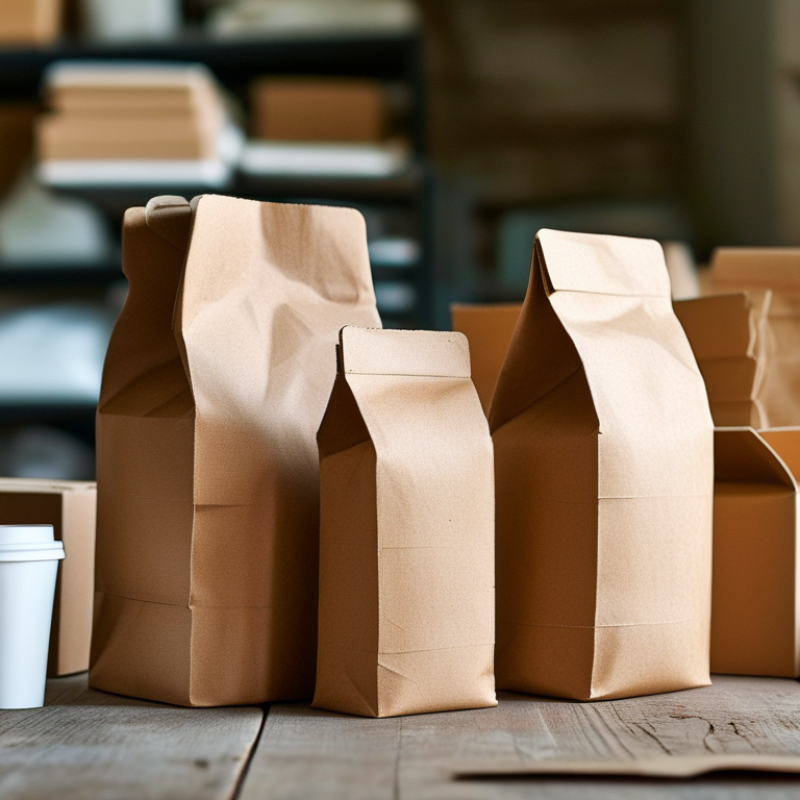
The trend towards sustainable materials in paper bag manufacturing is gaining momentum. In 2026, more companies are focusing on eco-friendly options. High demand for biodegradable and recycled materials is driving innovation. These alternatives provide durability and appeal without harming the environment. Using kraft paper, for instance, has become popular due to its strength and natural look.
Emerging materials like mushroom-based packaging and agricultural waste products show promise too. These sources reduce reliance on traditional resources. Companies are investigating how to blend these materials with existing technologies. However, challenges remain. Sourcing consistent quality and scaling production can be complex. Ensuring that these materials perform under various conditions is essential.
As brands embrace these advancements, buyer awareness grows. Understanding the lifecycle of these products is critical. This includes evaluating sourcing, manufacturing, and end-of-life disposal. Buyers may question if new materials meet their needs while being sustainable. It's a delicate balance between innovation and practicality. Industry experts suggest continuous research and testing will be vital for future success.
Top Paper Bag Company Trends for 2026
This chart illustrates the projected growth of various sustainable materials used in paper bag manufacturing by the year 2026. It highlights the increasing adoption of these materials in response to environmental concerns.
Technological Innovations Shaping the Paper Bag Industry
The paper bag industry is poised for major shifts by 2026, driven by technological innovations. Recent reports highlight that the global paper bag market is expected to grow at a CAGR of 4.5% through 2026. This growth is largely due to advancements in manufacturing processes and materials. Companies are now adopting eco-friendly materials that enhance the strength and durability of bags, addressing consumer demand for sustainability.
New printing technologies are also revolutionizing the industry. Digital printing allows for high-quality custom designs on paper bags, catering to diverse branding needs. This innovation reduces lead times and costs. Furthermore, automation in production lines improves efficiency and lowers labor costs. However, these advancements prompt the need for constant adaptation, especially for smaller companies that may struggle with high initial investments.
For buyers, understanding these developments is crucial. Opt for suppliers who demonstrate a commitment to innovation and sustainability. Look for certifications that ensure eco-friendliness. Always assess the balance between cost and quality. As the landscape evolves, being informed will help you make better purchasing decisions, ensuring you stay ahead in this competitive market.
Consumer Preferences and Demand Trends for Paper Bags
Consumer preferences are evolving rapidly, especially in the packaging sector. Paper bags are becoming increasingly popular due to their sustainability and eco-friendliness. Many consumers now prefer paper over plastic for shopping. They value materials that are reusable and biodegradable. However, not all paper bags meet these standards.
Shoppers are also looking for versatility. They want bags that are not only functional but also stylish. The right paper bag can enhance their shopping experience. This trend poses challenges for manufacturers. They must balance aesthetics, durability, and environmental impact. Some bags may look good but fail in performance. Buyers are becoming more discerning.
Additionally, there’s a growing demand for customization. Personalized paper bags can make a significant impression. They resonate well with consumers seeking unique shopping experiences. This trend encourages innovation. Companies should explore new designs while considering cost and sustainability. Balancing creativity with practicality is vital. The paper bag market is shaping up to be a dynamic landscape in 2026.
Regulatory Changes Impacting Paper Bag Production and Use
Regulatory changes regarding paper bag production are shaping the industry landscape. In 2026, stricter regulations will likely emphasize sustainability. Governments are pushing for biodegradable materials to reduce environmental impacts. This shift affects manufacturers, forcing them to innovate and adapt to new standards.
Buyers should be aware of the varying regulations by region. In some areas, regulations may mandate specific recycling practices or minimum recycled content. Understanding these standards helps buyers make informed decisions. This knowledge can also lead to healthier supply chain partnerships.
Consider researching local regulations that might impact your choices. Engage with suppliers who are proactive about compliance. This approach ensures you are sourcing responsibly. It's essential to keep informed about changes in regulations, as they can affect pricing and availability. Remember, staying ahead of regulations can provide a competitive edge in the marketplace.
Top Paper Bag Company Trends for 2026 What Buyers Need to Know
| Trend |
Description |
Impact on Production |
Regulatory Changes |
| Eco-Friendly Materials |
Increase in the use of biodegradable and recycled materials in paper bags. |
May require investment in new materials and production techniques. |
Stricter policies promoting the use of sustainable materials. |
| Digital Printing Techniques |
Enhanced customization options through advanced printing technologies. |
Increased production efficiency and reduced waste. |
Regulations supporting local printing businesses and innovations. |
| Lightweight Designs |
Trends towards lighter and more efficient paper bag designs. |
Lower material costs and improved shipping efficiency. |
Regulations limiting waste and promoting lightweight packaging. |
| Consumer Awareness |
Growing demand for transparency in sourcing and production methods. |
Encouragement of ethical supply chain practices. |
Increased regulatory scrutiny on product origins. |
| Recyclability Improvements |
Focus on enhancing recyclability of paper bags. |
Investment in R&D for more easily recyclable materials. |
Legislation enforcing recyclability standards. |
Market Strategies for Paper Bag Companies in 2026
As we approach 2026, paper bag companies must adapt to evolving market demands. Sustainability remains a key focus. Buyers are increasingly seeking eco-friendly packaging solutions. Companies should prioritize biodegradable materials and innovative designs. This shift not only addresses environmental concerns but also attracts a wider customer base.
Diversification of product lines is essential. Companies might explore custom packaging options. Providing personalized designs can enhance the shopping experience for consumers. However, this requires investment in production capabilities. Balancing customization with efficiency is challenging; not all companies will successfully navigate this hurdle.
Technology plays a significant role in market strategies. Implementing automation in production can increase efficiency, yet it brings challenges. Not every company has the resources to invest in advanced equipment. Additionally, maintaining quality while scaling up production is crucial and often neglected. It is vital for companies to reflect on these aspects as they prepare for a competitive future.