Top 10 Custom Shopping Bags Suppliers You Need to Know?
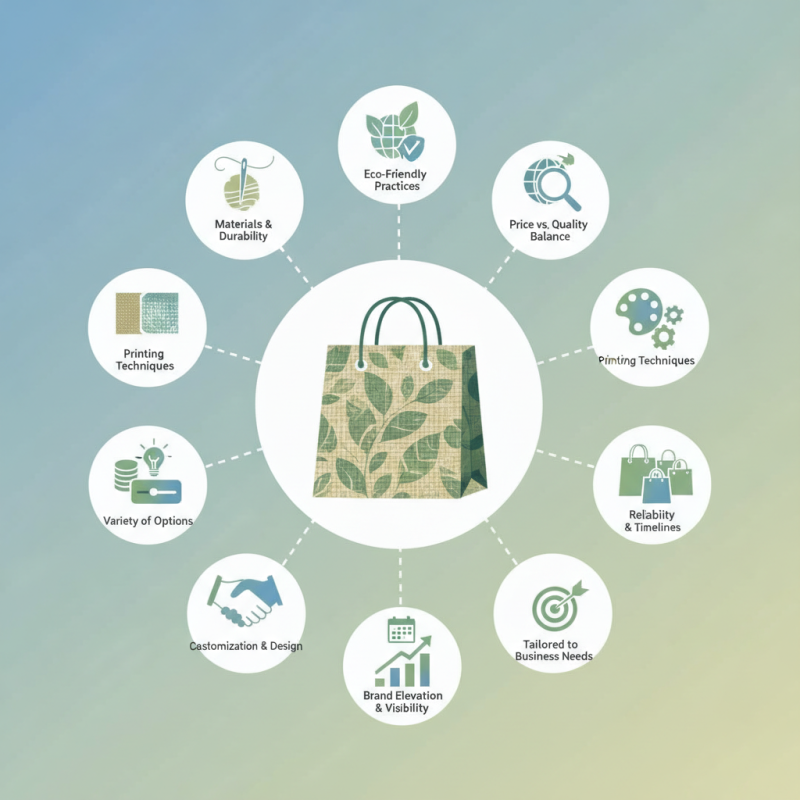
Custom shopping bags have become essential for businesses looking to make a lasting impression. These bags serve not only as practical carriers for goods but also as a canvas for branding. Companies can showcase their logo, values, and unique designs, elevating their visibility.
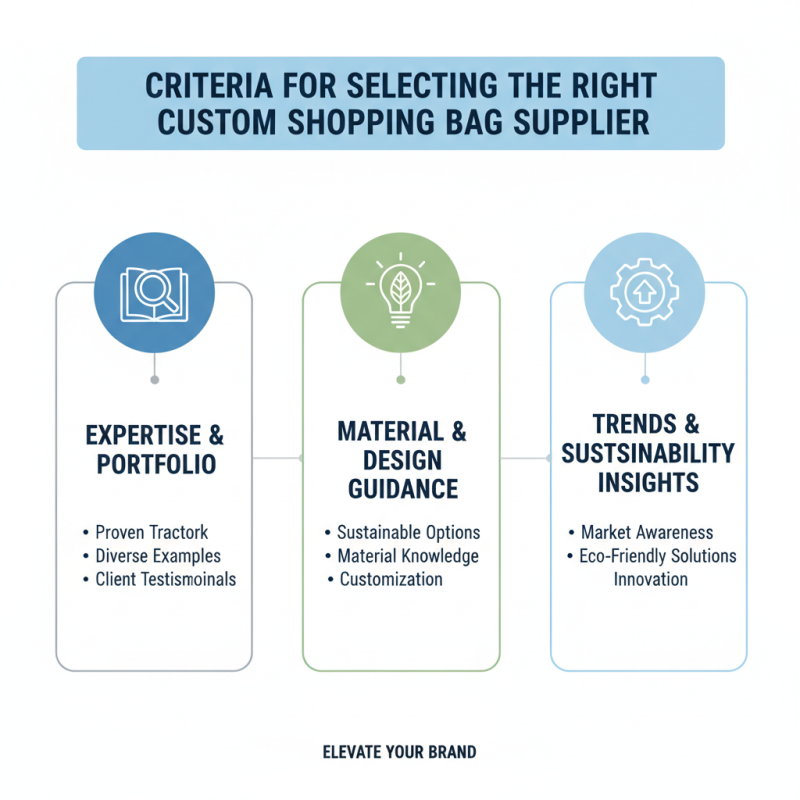
In a market filled with options, finding reliable suppliers for these custom shopping bags can be challenging. Many offer a variety of materials, sizes, and printing techniques. It's vital to choose suppliers with a strong reputation and proven expertise. This ensures quality and durability in the products they provide.
When selecting suppliers, keep in mind the importance of eco-friendly materials. Consumers increasingly value sustainability. Suppliers focusing on environmentally friendly practices can enhance your brand’s image. Be mindful of your needs and budget. Reflect on the balance between price and quality. Remember, the right supplier can take your brand to new heights.
Overview of Custom Shopping Bags and Their Importance in Retail
Custom shopping bags have become essential in the retail landscape. According to a report by Grand View Research, the global custom shopping bags market is projected to grow at a CAGR of 4.8% from 2021 to 2028. This growth highlights their importance in enhancing brand visibility and customer experience. Retailers leverage these bags to create memorable impressions.
Custom bags not only serve practical purposes, but they also communicate brand identity. A well-designed bag can enhance customer loyalty. Findings from the Sustainable Packaging Coalition show that 72% of consumers are more likely to purchase from brands that use eco-friendly packaging. Therefore, investing in custom shopping bags aligns with sustainability trends.
However, many retailers underestimate the impact of design choices. Inconsistent branding can confuse customers. The right materials also matter, as low-quality options can damage a brand's reputation. Retailers must balance cost and quality effectively. This requires careful planning and execution to ensure they meet consumer expectations while promoting their businesses.
Custom Shopping Bags Supplier Market Overview
Top 10 Custom Shopping Bag Suppliers: Key Features and Offerings
When selecting custom shopping bags, understanding supplier offerings is crucial. Quality varies significantly among companies. A study from Technavio predicts a growth in the custom shopping bag market, reaching $1.5 billion by 2025. This signals increasing demand for unique and sustainable products.
Many suppliers focus on eco-friendly materials, responding to consumer preferences for sustainability. Most providers offer options such as reusable and biodegradable bags. Flexographic printing is popular for custom designs, allowing vivid colors. However, some companies overlook quality control. This can lead to products that don't meet expectations.
Customization options vary widely. Some suppliers offer extensive design tools, while others may have limitations. Minimalist designs are trendy, but full customization can attract diverse consumers. Finding a balance between cost and quality is often challenging. This is a crucial factor that many businesses struggle to address. Understanding these dynamics can guide your choice in suppliers effectively.
Comparative Analysis of Pricing and Customization Options
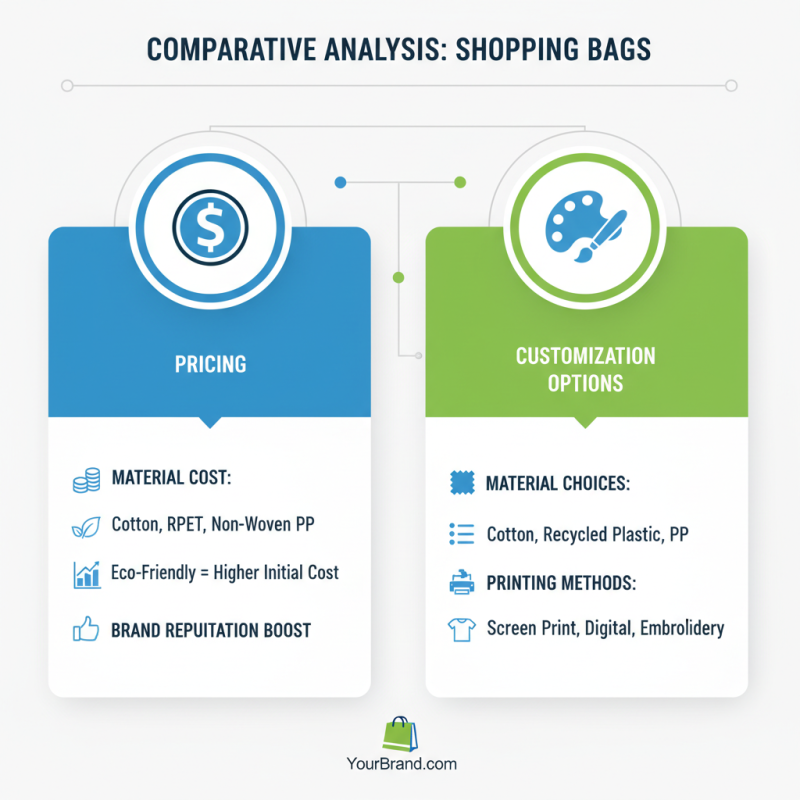
When considering custom shopping bags, pricing and customization options are critical. Many suppliers offer various materials like cotton, non-woven polypropylene, and recycled plastics. Each material has a different cost associated with it. For example, eco-friendly options may initially seem more expensive. However, they can enhance your brand’s reputation.
Customization is another essential aspect. Different suppliers provide diverse choices in sizes, colors, and designs. Some allow for vibrant prints, while others may offer simpler options. This variance can affect cost dramatically. A sleek design with multiple colors might cost more than a basic, single-color bag. Thus, it's important to identify your needs upfront.
Many businesses overlook minimum order quantities. Some suppliers require larger orders for cost-effective pricing. It’s crucial to reflect on your brand’s needs and future sales goals. If you choose a supplier that demands high minimums, it may lead to wasted resources. Evaluating your long-term strategy is key to making an informed decision.
Sustainability Practices Among Leading Custom Shopping Bag Suppliers
Sustainability has become a critical focus for custom shopping bag suppliers. Many leaders in the industry strive to minimize their environmental footprint. They utilize eco-friendly materials, such as recycled plastics and organic cotton. This shift reflects a growing awareness of consumer demand for sustainable products.
Some suppliers offer biodegradable bags that break down naturally over time. Others prioritize local sourcing, reducing transportation emissions. While these efforts sound impressive, challenges remain. Many companies face difficulties in achieving 100% sustainability. Not all materials are accurately labeled. Transparency is often lacking in the supply chain.
Despite their commitment, some suppliers struggle to balance cost and eco-friendliness. This can lead to greenwashing, where the public image does not match reality. Continuous improvement is essential. Suppliers need to listen to feedback and adapt their practices. Genuine efforts will build trust with consumers and enhance brand loyalty.