Ultimate Tips for Choosing the Best Paper Bag Supplier?
Choosing the right paper bag supplier can be daunting. With so many options available, making the right decision matters. Mary Adams, a packaging expert, once said, "The choice of supplier can make or break your brand.” It highlights the importance of careful selection in this industry.
Understanding the nuances of different suppliers is crucial. Not all paper bag suppliers provide the same quality or service. Some may offer low prices but compromise on durability or sustainability. As businesses increasingly prioritize eco-friendly options, the wrong choice could harm your reputation.
It's essential to evaluate customer reviews and understand the supplier's production methods. A reliable paper bag supplier will focus on quality and environmental impact. Sometimes, the best supplier may not be the most well-known. Reflecting on these details can lead to a better decision. In a market full of choices, clarity in your requirements is vital to find the right partner.

Understanding Your Paper Bag Requirements
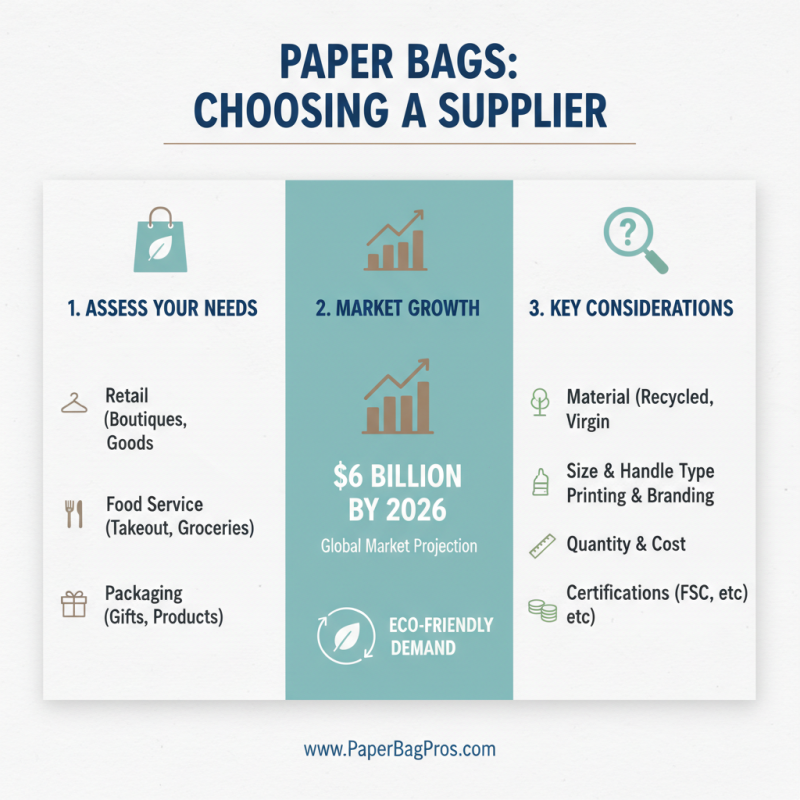
Understanding your paper bag requirements is essential when selecting a supplier. Start by assessing the types of paper bags you need. Different bags serve various purposes, such as retail, food service, and packaging. Data shows that the global paper bag market is projected to reach $6 billion by 2026. This highlights the growing demand for eco-friendly solutions.
Next, consider the weight and size specifications. A retailer might need sturdy bags for heavier items, while a bakery may prioritize smaller, grease-resistant options. Reports indicate that 74% of customers prefer paper bags over plastic for environmental reasons. However, not all suppliers offer the same quality. It's crucial to request samples before making bulk orders.
Additionally, pay attention to printing and design capabilities. A unique design can enhance brand identity. Suppliers may have limitations that don't align with your vision. Reflect on the supplier's sustainability practices, too. Many claim to be eco-friendly, but only 32% use recycled materials. This discrepancy can affect your brand's image. Always inquire about their sourcing practices and conduct thorough research before finalizing your choice.
Identifying Key Attributes of a Reputable Supplier
Choosing a paper bag supplier can be daunting. A strong supplier should prioritize quality. Look for materials that are durable yet eco-friendly. Ask for samples to assess the sturdiness. A supplier’s commitment to sustainability speaks volumes.
Communication is another key attribute. It's essential for a supplier to respond promptly. Clear dialogue ensures that your needs are understood. Time lost in miscommunication can impact your business. Evaluate how well the supplier listens to your specifications.
Pricing is important but shouldn't compromise quality. Understand the cost breakdown. Some suppliers lure businesses with low prices but may cut corners. Research customer reviews for insights on reliability. A trustworthy supplier will not only meet your expectations but exceed them.
Ultimate Tips for Choosing the Best Paper Bag Supplier
| Attribute |
Description |
Importance Rating |
| Quality of Materials |
Ensure that the supplier uses high-grade paper to enhance durability. |
5/5 |
| Production Capacity |
Supplier should have the ability to meet large order sizes within deadlines. |
4/5 |
| Customization Options |
Availability of custom designs, sizes, and prints. |
4/5 |
| Certifications |
Look for certifications that indicate adherence to industry standards. |
5/5 |
| Customer Service |
Responsive and helpful customer support during and after the order process. |
5/5 |
| Pricing |
Competitive pricing while maintaining quality standards. |
4/5 |
| Lead Time |
Duration from order to delivery, which should be reasonable. |
4/5 |
| Sustainability Practices |
Use of eco-friendly materials and processes in production. |
5/5 |
Evaluating Sample Quality and Material Options
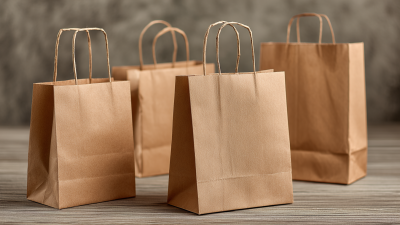
When choosing a paper bag supplier, evaluating sample quality is crucial. High-quality samples reflect the supplier’s commitment. Feel the texture and check the strength. A flimsy bag may not serve its purpose well. It’s essential to consider the type of paper used. Some materials are more durable than others. For instance, kraft paper is often sturdy but can vary in thickness.
Material options matter too. You might prefer recyclable or biodegradable choices. Ask suppliers about their environmental policies. Some papers can withstand different conditions better. Testing them in real-life scenarios can reveal much. Don't settle for the first sample you receive. Multiple samples allow for better comparison.
Always pay attention to printing quality as well. Clear, vibrant designs speak volumes about the supplier's capabilities. Examine how the colors appear on different materials. Sometimes what looks good in images may not translate well in person. Keep these factors in mind as you navigate your choices.
Comparing Pricing and Delivery Terms Among Suppliers
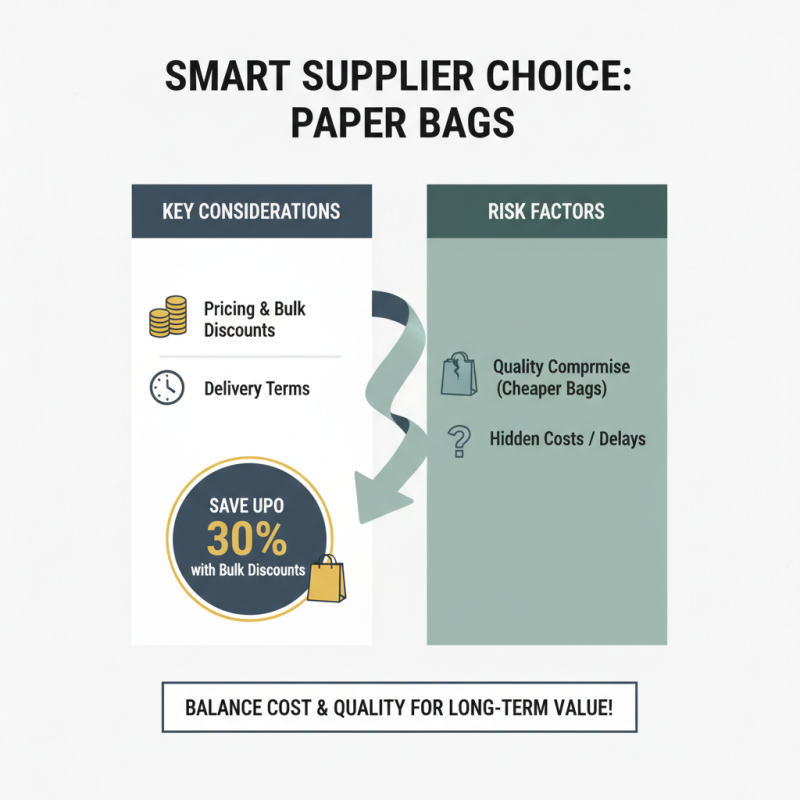
When choosing a paper bag supplier, pricing and delivery terms are critical. Many suppliers differ significantly in both areas. According to a recent industry report, suppliers that offer bulk discounts can cut costs by up to 30%. However, the lowest price isn’t always the best option. Quality often suffers with cheaper bags.
It’s smart to compare terms carefully. Some suppliers promise quick shipping but charge high fees. Others offer free shipping for larger orders. Consider your needs—do you value speed or cost more? A transparent delivery timeline can help you plan better. Late deliveries can disrupt business operations.
Tip: Request samples before making a decision. This helps ensure product quality matches your expectations. Additionally, look for suppliers willing to negotiate terms. Flexibility in pricing can lead to mutually beneficial partnerships. Make informed choices to avoid future regrets in your supply chain. Remember, a trustworthy supplier can be worth the investment.
Reviewing Supplier Reviews and Customer Feedback
When evaluating paper bag suppliers, customer feedback is crucial. A recent industry report shows that 75% of buyers rely on reviews before making a purchase. Positive ratings can indicate quality, but be cautious. Some reviews might not be genuine. Look for patterns across multiple sources.
Detailed feedback on durability and print quality is invaluable. One customer might mention how well a bag holds weight, while another may express concerns about tearing. This type of insight helps gauge the reliability of a supplier. Consider using companies that aggregate feedback from various platforms for a more comprehensive view.
One report highlighted that 30% of customers encountered issues with order delays. These delays can affect your business operations significantly. Understanding the common pitfalls from customer experiences allows you to make better decisions. Don't overlook suppliers who may have mixed reviews but demonstrate excellent customer service in their responses. This responsiveness can be a key indicator of long-term partnership potential.