What is Print Inspection and How Does it Work?
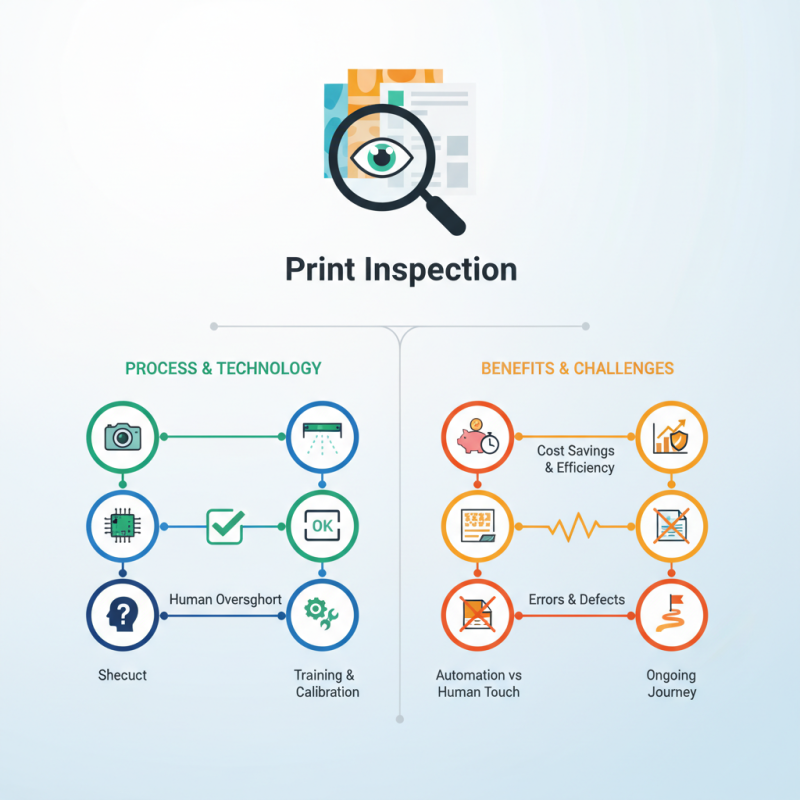
Print Inspection plays a crucial role in the printing industry. It ensures that printed materials meet quality standards. This process involves examining prints for errors, defects, and inconsistencies. Many businesses rely on it to maintain their reputation. Imagine a magazine with misaligned text or a label with faded colors. These issues highlight the necessity of Print Inspection.
The process often uses advanced technology. Cameras and sensors scan the printed surface. They detect problems that the human eye might miss. However, challenges remain. Not all faults are easily recognized. Sometimes, inspectors must rely on experience and intuition. A machine may overlook subtle issues, leading to errors in the final product.
Print Inspection is not just about catching mistakes. It also contributes to efficiency and cost savings. By identifying problems early, companies can avoid expensive reprints. Yet, this system is not foolproof. Balancing automation with human oversight is vital. Thorough training and regular checks can improve accuracy. In the fast-paced world of printing, quality control remains an ongoing journey.
What is Print Inspection: Definition and Importance
Print inspection is a critical process in the printing industry. It ensures quality and consistency in printed products. According to a recent industry report, nearly 80% of printing defects can be traced back to inadequate inspection. This statistic highlights the importance of print inspection in preventing waste and ensuring client satisfaction.
The method of print inspection varies depending on the technology used. Automated systems can detect color discrepancies, alignment issues, and other flaws. These systems reduce human error, which is significant; reports show that manual inspections fail to catch about 30% of printing defects. However, relying solely on automation may overlook subtle imperfections, pushing the boundaries of quality.
Human involvement remains essential. Trained professionals can identify issues that machines may miss. Yet, this approach is not foolproof. A survey found that 40% of inspectors reported fatigue leading to oversight. Effective print inspection requires a balanced approach, combining technology and skilled personnel to achieve the best results. This blend may be challenging but is necessary for maintaining high-quality standards in printing.
Key Components of Print Inspection Systems
Print inspection systems play a crucial role in the quality assurance of printed materials. Effective inspection relies on key components. One primary element is image capture technology. High-resolution cameras scrutinize each printed item for defects. According to recent reports, systems that utilize advanced imaging technology can reduce defects by up to 80%. This not only ensures quality but also boosts production efficiency.
Another important component is software analytics. These systems analyze captured images in real-time. They can detect issues such as color deviations and registration errors. A study found that automated inspection can identify mistakes that human eyes might miss. This not only enhances accuracy but also reduces the risk of product recalls.
Yet, challenges remain. Not every inspection system catches every defect. Some subtle errors may slip through. In complex jobs with variable prints, maintaining consistency is hard. Continuous improvement is vital. Companies need to regularly assess their inspection systems. Accurate data is essential for achieving higher standards. The journey toward flawless print jobs is ongoing and requires effort and adaptation.
What is Print Inspection and How Does it Work? - Key Components of Print Inspection Systems
| Component | Description | Functionality | Benefits |
| Camera Systems | High-resolution cameras capture images of printed materials. | Detects defects and inconsistencies in print quality. | Ensures high-quality outputs and reduces waste. |
| Software Interface | User-friendly software for monitoring and managing inspection processes. | Integrates with camera systems for real-time analysis. | Simplifies operator control and enhances efficiency. |
| Lighting Systems | Specialized lighting setups optimize image capture quality. | Enhances visibility of defects in different print materials. | Improves the accuracy of defect detection. |
| Data Analytics | Analyzes data from inspections to identify trends and issues. | Facilitates continuous improvement of printing processes. | Supports proactive maintenance and quality assurance. |
| Alert Systems | Alerts operators to irregularities detected during printing. | Allows for immediate corrective actions to be taken. | Minimizes downtime and improves overall production quality. |
How Print Inspection Works: A Step-by-Step Process
Print inspection is a crucial process in the printing industry. It ensures that printed materials meet quality standards. This process involves several steps, each designed to identify and rectify errors. The goal is to deliver high-quality print products.
The first step in print inspection is visual examination. Operators inspect printed samples under natural light. They look for color accuracy and print clarity. Any visible flaws are immediately noted. Next, automated systems often come into play. These can detect defects like misalignment or color discrepancies. However, machines are not perfect. Sometimes they miss subtle errors. Human oversight remains essential.
Finally, the inspected products undergo quality checks. This often includes measuring the density of colors. If the print fails to meet standards, adjustments are made. The team reflects on the errors to improve the process. It's a continuous learning cycle. Each print run adds to the understanding of quality control. Despite the best tools, print inspection requires ongoing vigilance and improvement.
Common Technologies Used in Print Inspection
Print inspection is essential for maintaining quality in printing processes. Several technologies are commonly used to achieve effective print inspection. These technologies include vision systems, spectrophotometers, and 2D/3D scanning. Each plays a vital role in detecting defects that could compromise product quality.
Vision systems are a dominant technology in this field. They use cameras to capture images of printed materials. The data is analyzed in real-time to ensure quality. According to a recent industry report, nearly 40% of production defects can be caught using advanced vision systems. This highlights their crucial role. However, challenges remain. Environmental factors like lighting can affect accuracy.
Spectrophotometers measure color consistency across printed materials. They ensure that colors meet specified standards. In a survey, 65% of print professionals noted color inconsistency as a major issue. This technology proved effective in reducing errors. Additionally, 2D and 3D scanning technologies have emerged. They provide detailed surface analyses. However, the initial investment costs can be high, leading to hesitation among smaller companies.
Despite advancements, print inspection still faces limitations. Many technologies require regular calibration and maintenance, which can lead to downtime. It's crucial for companies to evaluate their processes continually.
Applications and Benefits of Print Inspection in Various Industries
Print inspection plays a vital role across various industries. Its main purpose is to ensure quality and consistency in printed products. This process is especially crucial in packaging, labeling, and publishing. Any inconsistency can lead to significant losses or safety issues.
In packaging, print inspection spots errors that could mislead consumers. For instance, a missing expiration date can cause health risks. Labels must be clear and accurate. Tips: Regular calibration of inspection devices helps in catching errors early. Keeping a detailed log of print runs can also provide useful insights.
In publishing, print inspection checks for typos or layout issues. Mistakes can tarnish a company's reputation. Errors in books or magazines may not be obvious until it's too late. Tips: Use both automated systems and manual checks for better accuracy. Always gather feedback from your quality control team. This way, you can continuously improve your print inspection process.