Why Is Paper Packaging Important for Sustainability?
In today's world, sustainability is more crucial than ever. Paper packaging plays a significant role in this movement. According to a report by Smithers Pira, the global market for paper packaging is expected to reach $500 billion by 2027. This meteoric rise highlights its importance in reducing plastic waste.
Experts emphasize the benefits of paper packaging. John Smith, a leading figure in the industry, stated, "Switching to paper packaging can drastically lower our carbon footprint." Paper is typically recyclable and biodegradable, offering an eco-friendly alternative. However, challenges remain. Not all paper products are sourced sustainably, and consumer habits often revert to plastic.
Understanding the real impact of paper packaging is imperative. Many consumers are unaware of the environmental benefits it offers. Awareness campaigns can help shift perceptions. The future of packaging rests on our collective choices. Embracing paper packaging is a step forward, but the journey is far from over. We must continually ask ourselves: can we do better?
Importance of Paper Packaging in Reducing Environmental Impact
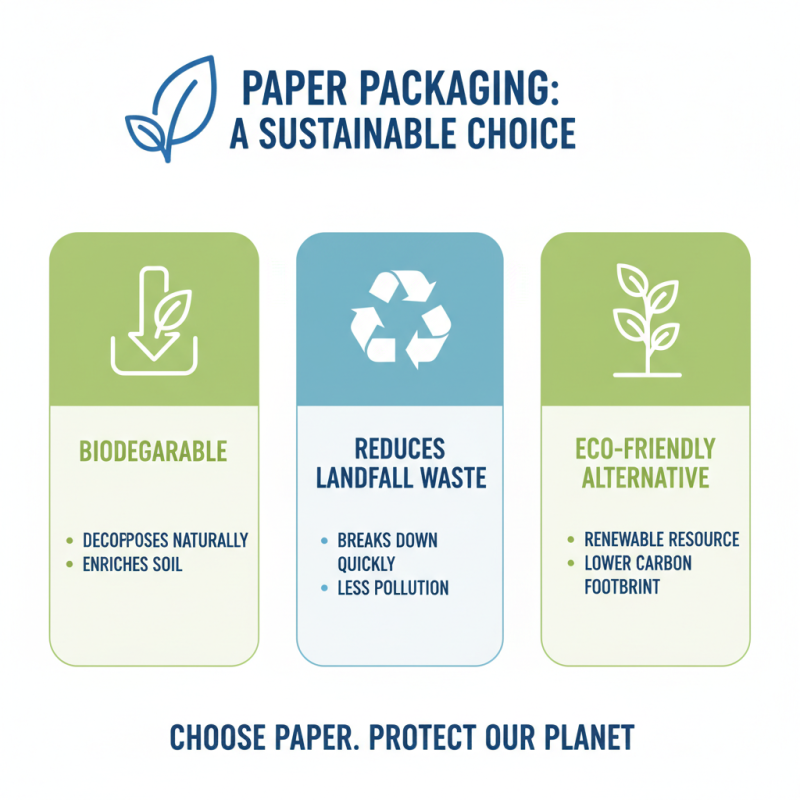
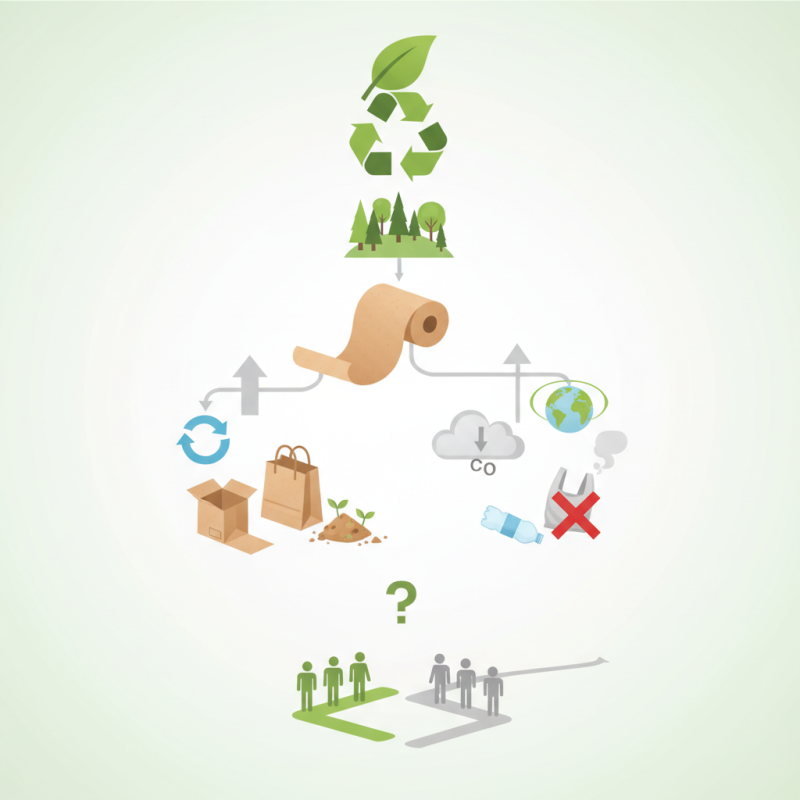
Paper packaging plays a crucial role in reducing environmental impact. It is biodegradable and can decompose naturally. Unlike plastic, paper does not linger in landfills for centuries. This natural breakdown helps minimize waste in our environments.
Using paper packaging can significantly lower carbon footprints. It requires less energy during production compared to other materials. This efficiency leads to lower emissions. Furthermore, paper comes from renewable resources, mainly trees. Sustainable forestry practices ensure that materials are sourced responsibly. However, not all paper is equal. Checking for certifications can help you identify more eco-friendly options.
Tips: Choose unbleached paper options when possible. Opting for recycled paper is another smart choice. Always look for local suppliers; this reduces transportation emissions. Supporting local businesses creates a positive community impact as well. While the benefits of paper packaging are clear, consumers must also reflect on their usage patterns. Are we relying too heavily on packaging in general?
Comparative Analysis: Paper vs. Plastic Packaging Sustainability
Paper packaging is often viewed as a sustainable alternative to plastic. The recycling rate for paper packaging in many countries is around 70%, significantly higher than the 9% for plastic. This difference is key. It demonstrates the potential for reusing materials. Many consumers are moving towards paper options to lessen environmental impact.
However, the production of paper also has challenges. Deforestation is a concern. The World Wildlife Fund reports that over 13 million hectares of forest are lost each year. This loss threatens biodiversity and contributes to climate change. Paper production processes can be water-intensive. This creates a need for careful resource management.
Tips: Choose products with certified sustainable packaging. Look for the Forest Stewardship Council (FSC) label. Not all paper is created equal, so do your research. Sometimes, plastic packaging is more efficient for certain uses. Consider durability and functionality when making choices.
Balancing these elements is no easy task. The goal should be about reducing overall waste. Rethinking packaging options is vital. Sustainable practices must evolve as consumer awareness grows.
Recycling Rates and Their Impact on Paper Packaging Sustainability
Recycling rates play a crucial role in the sustainability of paper packaging. When paper products are recycled, they can be transformed into new materials. This reduces the need for *virgin resources*. A higher recycling rate means less deforestation and lower carbon emissions. Yet, many people still treat paper as disposable. This attitude directly impacts recycling efforts.
Some regions have impressive recycling rates, while others lag behind. In some urban areas, recycling programs are robust. Residents are educated about sorting waste properly. Unfortunately, in rural areas, access to facilities may be limited. This discrepancy highlights the need for better infrastructure. As a result, some paper packaging ends up in landfills instead of being reused.
Challenges remain in improving recycling rates overall. Education and awareness are essential, but they often fall short. Many still don't understand the importance of recycling. Additionally, contamination in recycling bins complicates the process. Shredded paper, for example, is often rejected. These factors remind us that there's much work to do. Striving for a comprehensive recycling system can greatly enhance the sustainability of paper packaging.
Life Cycle Assessment of Paper Packaging: Key Findings and Data
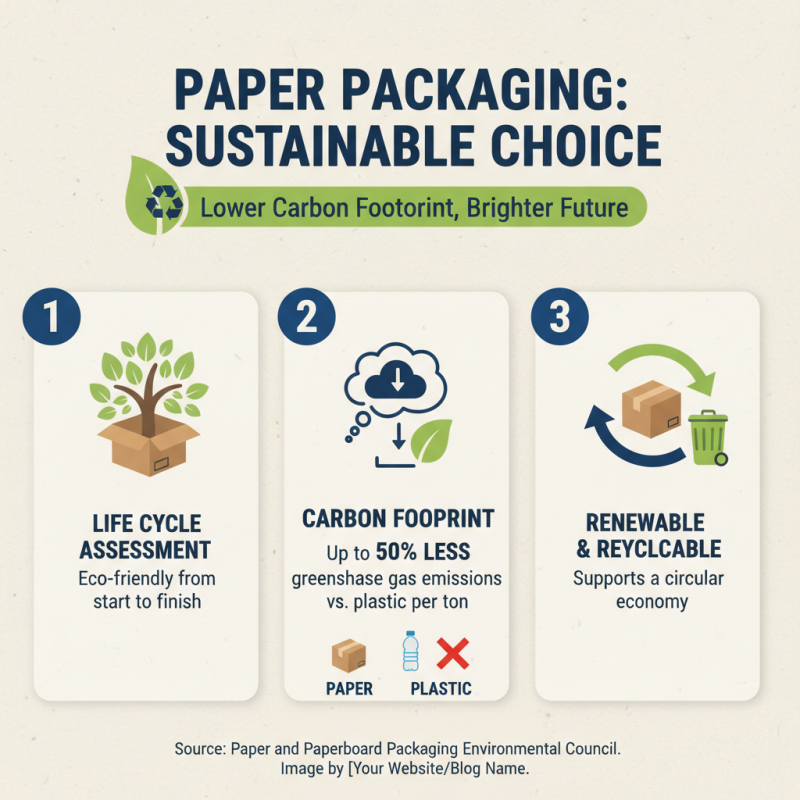
The life cycle assessment of paper packaging reveals significant data that underscores its sustainability. In recent studies, paper packaging has been shown to have a lower carbon footprint than plastic. A report from the Paper and Paperboard Packaging Environmental Council finds that one ton of paper packaging can reduce greenhouse gas emissions by 50% compared to its plastic counterpart.
Moreover, paper is biodegradable and recyclable. Approximately 70% of paper products are recycled in some regions. This cycle helps divert waste from landfills. However, this recycling rate varies. Some regions lag behind, highlighting the need for improved infrastructure and public awareness in recycling efforts. Effective recycling systems are crucial for maximizing paper's environmental benefits.
While paper packaging offers distinct advantages, challenges remain. The industry faces deforestation concerns. It’s vital that sustainable forestry practices are followed. Data indicates that 27% of the world’s forests are used for paper production. Responsible sourcing is essential to mitigate this issue. The industry must continuously reflect on these practices to enhance sustainability efforts.
Industry Trends: Growth of Sustainable Paper Packaging Solutions
The shift towards sustainable paper packaging reflects a growing awareness of environmental issues. According to recent industry reports, the global sustainable packaging market reached approximately $300 billion in 2021 and is expected to exceed $500 billion by 2027. This significant growth highlights a demand for eco-friendly materials. Businesses are increasingly adopting paper solutions to reduce their carbon footprints.
A study by Smithers Pira indicates that the paper packaging sector will grow by 3.7% annually, driven by consumer demand for sustainable products. More brands are seeking recyclable and biodegradable options. Despite this positive trend, challenges remain. Not all paper products are created equal. The recycling rates for paper are around 66%, yet not all consumers know how to recycle properly.
Moreover, the production of sustainable paper can still involve harmful practices. Forest depletion and chemical usage in some paper manufacturing raise concerns. These issues underline the importance of transparency in sourcing materials. Companies need to take ownership of their supply chains. Investing in sustainable paper packaging is not just a trend; it will require ongoing commitment and innovation. The industry must continue evolving to minimize its impact on the environment.
Why Is Paper Packaging Important for Sustainability? - Industry Trends: Growth of Sustainable Paper Packaging Solutions
| Dimension |
Value |
| Global Paper Packaging Market Size (2023) |
$200 billion |
| Expected CAGR (2023-2030) |
4.5% |
| Percentage of Sustainable Paper Packaging (2023) |
45% |
| Main Drivers for Growth |
Consumer demand for eco-friendly products |
| Recycling Rate of Paper Products |
68% |
| Carbon Footprint Reduction per Tonne |
1.5 tons CO2 |
| Market Share of Biodegradable Packaging (2023) |
30% |
| Consumer Preference for Sustainable Packaging |
85% |