


How to Choose the Best Branded Paper Bags for Your Business?
Choosing the right branded paper bags is more than selecting a logo and a color. These bags represent your business before customers see the product inside. Their size, strength, texture, and printing quality can influence how people remember your brand.
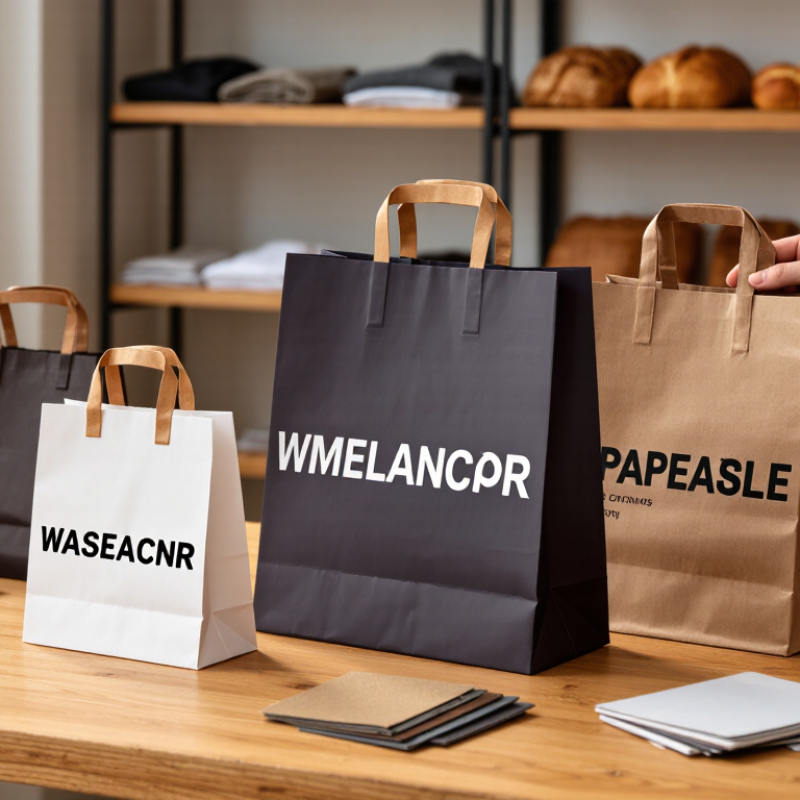
A practical choice begins with the customer’s experience. A bakery may need grease-resistant bags with strong twisted handles. A clothing store may prefer larger bags with reinforced bottoms and a soft, premium finish. Small details matter. A weak handle can damage trust quickly.
Material selection also deserves careful attention. Recycled paper may support sustainability goals, but its texture and print performance should be tested before ordering. Not every eco-friendly claim is equally reliable. Ask suppliers for material details, production samples, and relevant certifications. Clear documentation builds confidence.
Your logo should remain readable from a busy sidewalk or crowded checkout counter. Simple artwork often performs better than overloaded designs. Check color accuracy, folding lines, handle placement, and bag dimensions before approving production. A sample can reveal problems that a digital proof hides.
Budget is important, but the cheapest option may create higher replacement costs. Compare unit price, minimum order quantity, shipping protection, and expected durability. Suppliers should communicate clearly and answer technical questions without vague promises.
Even experienced teams can overlook one detail. I have seen attractive bags fail because their base was too narrow for the product. That is a useful reminder: appearance matters, but function protects the customer experience. The best branded paper bags balance practical performance, honest sourcing, and a design that feels unmistakably yours.
Define Your Brand’s Packaging Goals and Customer Needs
Choosing the best branded paper bag starts with a clear packaging goal. Decide whether the bag should drive recognition, protect products, or improve the checkout experience. These goals may overlap, but they require different design choices. A bakery may need grease-resistant paper and wide bases. A clothing shop may value stronger handles and a cleaner finish.
Study how customers actually use the bag. Do they carry it across a busy street? Store it in a small car? Reuse it at home? Measure the heaviest product and test every bag size with that load. Handles should feel comfortable, not sharp against the hand. Printing must remain readable from several steps away. Small details matter.
Ask customers what feels useful, not merely attractive. Some prefer lightweight bags, while others expect durable materials for reuse. Request material specifications, ink information, and production samples from suppliers. Reliable records support responsible packaging claims. I once selected a thinner bag to reduce costs, but it tore near the handle during testing. That mistake changed the buying process. A cheaper unit price was not a cheaper solution. Still, not every design needs more paper or decoration. A simple mark, practical size, and honest material choice can serve customers better. Keep testing. Preferences change.
| Packaging Goal | Customer Need | Recommended Paper Bag Specification | Typical Planning Range | Recommended Design Feature | Success Metric | Priority |
|---|---|---|---|---|---|---|
| Improve Brand Visibility | Customers should recognize the business easily in stores and public spaces. | White or kraft paper with a clear logo, high-contrast typography, and consistent brand colors. | One or two primary colors; logo placed on both broad panels. | Large readable logo, short brand message, and uncluttered layout. | Customer recognition rate and branded-bag reuse rate. | High |
| Support Sustainable Packaging | Customers increasingly expect packaging that is recyclable and responsibly sourced. | Paper made from recycled fiber or responsibly sourced virgin fiber; avoid unnecessary plastic components. | Common paper weights: 90–170 gsm, selected according to product weight and bag size. | Water-based inks, paper handles, and clear disposal guidance where appropriate. | Recycled or certified fiber percentage; packaging material reduction. | High |
| Carry Products Safely | Customers need a bag that feels stable and comfortable during transport. | Twisted-paper or flat-paper handles with a reinforced top fold and glued base. | Approximate load planning: light products up to 2 kg; heavier products require tested construction. | Reinforced handle patches, folded top edge, and a strong bottom insert. | Failure rate during filled-bag testing and customer complaints about tearing. | High |
| Match the Target Customer | Different customer groups value different combinations of convenience, appearance, and price. | Choose size, finish, handle type, and print style according to shopping habits and product category. | Small: accessories and takeaway items; medium: apparel and gifts; large: boxed or multi-item purchases. | Compact format for convenience; premium finish for gift-led or high-value purchases. | Customer satisfaction by segment and average reuse frequency. | High |
| Create a Premium Experience | Customers expect packaging to reflect product quality and feel comfortable to handle. | Higher-weight paper, precise printing, neat folds, and reinforced handles. | Approximately 140–190 gsm, subject to bag dimensions and load testing. | Matte finish, spot color, soft-touch coating, or carefully controlled embossing. | Perceived quality score and positive packaging feedback. | Medium |
| Control Packaging Costs | The business needs predictable unit costs without compromising basic performance. | Use standard sizes, limited colors, efficient artwork, and a suitable paper weight. | Compare total cost per usable bag, including printing, handles, shipping, and storage. | Standardized dimensions and one artwork system adaptable across product lines. | Total packaging cost per order and material usage per bag. | High |
| Support Seasonal Campaigns | Customers respond to timely designs while the business wants to avoid excess inventory. | Short-run or limited-color designs using the same core bag dimensions. | Plan separate artwork for major campaigns while retaining a year-round version. | Replaceable stickers, sleeves, or seasonal print panels where suitable. | Campaign sell-through rate and remaining bag inventory after the season. | Medium |
| Improve Operational Efficiency | Staff need bags that are easy to store, open, fill, and distribute consistently. | Fold-flat bags with standardized dimensions and clearly defined packing limits. | Store by size and use a simple small, medium, and large classification system. | Color-coded size markers or discreet internal size labels. | Average packing time, storage space used, and picking errors. | Medium |
| Verify Quality Before Ordering | Customers expect every bag to look consistent and perform reliably. | Request pre-production samples and test print color, dimensions, handles, seams, and base strength. | Test samples under the intended product weight and normal carrying conditions. | Use an approval checklist covering artwork, color, size, handle attachment, and packaging. | Sample approval rate and defects per delivery batch. | High |
Planning figures are typical starting points rather than universal specifications. Final paper weight, dimensions, handle construction, and carrying capacity should be confirmed through product-specific sampling and load testing.
Related Posts
-
How to Choose the Best Small Paper Bags for Eco Friendly Packaging Solutions
-
Top 10 Personalized Paper Bags at China Import Expo 2026?
-
Why Choose Personalized Paper Bags for Your Brand Strategy?
-

How to Choose the Right Paper Bag Co for Your Business Needs?
-

2026 Best Branded Paper Bags for Eco Friendly Packaging Solutions?
-
2026 Top Trends in Paper Bags for Sustainable Packaging Solutions?