2026 How to Choose the Best Paper Shopping Bags for Your Business?
In today's retail landscape, paper shopping bags have emerged as a crucial element for businesses aiming to enhance customer experience and brand identity. Reports indicate that the global market for paper bags is projected to reach $5 billion by 2026. This significant growth reflects the increasing consumer preference for eco-friendly alternatives. Paper shopping bags not only reduce plastic waste but also offer a unique branding opportunity.
When selecting the best paper shopping bags, businesses must consider various factors such as material quality, design, and sustainability. According to a study by Smithers Pira, 82% of consumers feel positively about brands that use environmentally friendly packaging. The choice of paper thickness and printing options can directly influence customer perception. However, many businesses struggle to balance cost and quality, leading to potential dissatisfaction.
Investing in high-quality paper shopping bags can ultimately convey a brand's commitment to sustainability. While the initial cost may be higher, the long-term benefits often outweigh the drawbacks. Thoughtful choices in this area can significantly impact customer loyalty and brand reputation in a competitive market. Choosing the right bags requires careful consideration and reflection on both aesthetic appeal and functional needs.
Understanding the Importance of Paper Shopping Bags for Businesses
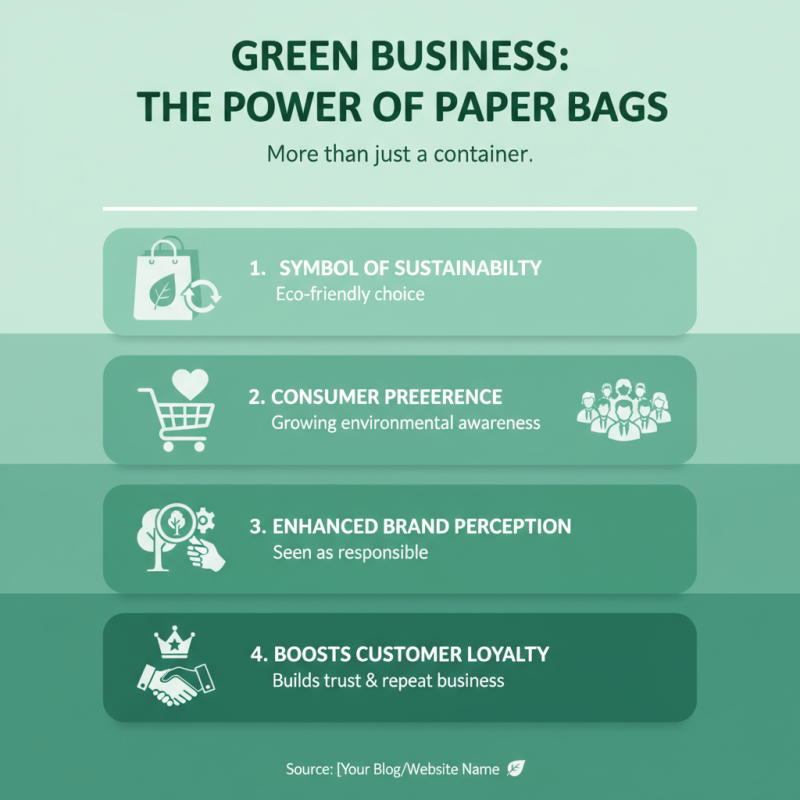
Paper shopping bags are more than just a container for products. They symbolize a brand’s commitment to sustainability. Many consumers prefer eco-friendly options. This preference reflects a growing awareness of environmental issues. Brands that use paper bags are often seen as more responsible. This perception can enhance customer loyalty.
Choosing the right paper shopping bags can significantly impact your business. The texture, design, and durability matter. Sturdy bags can carry heavier items without tearing. A unique design can attract attention and spark interest. However, not every bag is suitable for every brand. Some businesses may overlook this aspect.
It's essential to evaluate your brand's needs carefully. Reflect on the message you want to convey. Uniqueness is important, but so is practicality. Balancing these aspects can be challenging. A poorly designed bag can detract from your brand image. Taking the time to reflect on this process can lead to better outcomes. Your choice should resonate with your audience while being functional.
Types of Paper Shopping Bags and Their Uses
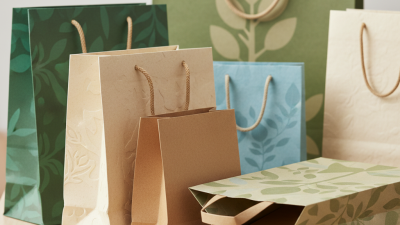
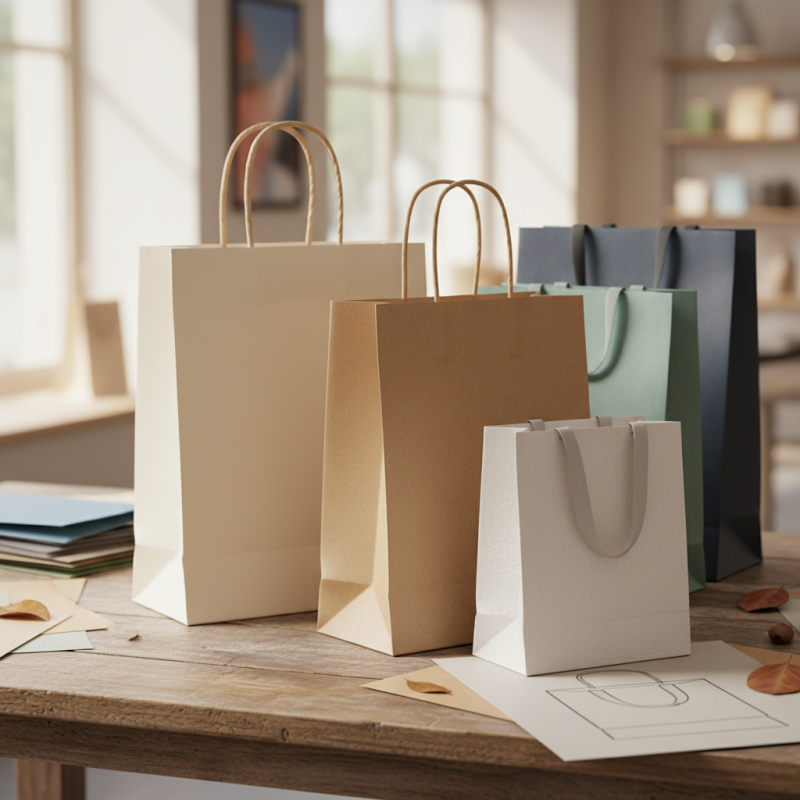
When selecting paper shopping bags, understanding the various types and their uses is essential. Paper bags come in different styles, each serving unique purposes. Flat paper bags are perfect for smaller items, making them ideal for boutique shops. In contrast, shopping bags with handles offer better support for heavier products. These bags provide convenience and enhance the shopping experience.
Consider the paper thickness when choosing bags. Heavier items require sturdier materials. Choosing the wrong thickness can result in ripped bags, leading to customer dissatisfaction. It’s crucial to assess what products you'll be packaging. This ensures you select the right style and thickness.
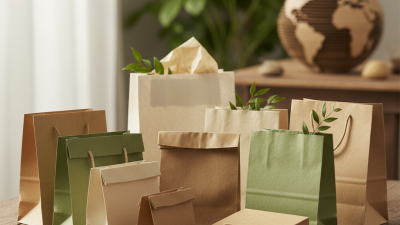
Choosing eco-friendly options shows your commitment to sustainability. Many consumers prefer brands that prioritize the environment. Offering paper bags made from recycled materials can attract a wider audience. Keep in mind, your bag design should reflect your brand identity. Look at potential design flaws too, as over-complicated graphics may diminish clarity. Strive for a balance between aesthetics and functionality.
2026 How to Choose the Best Paper Shopping Bags for Your Business? - Types of Paper Shopping Bags and Their Uses
| Type of Paper Shopping Bag |
Material |
Weight Capacity |
Best Uses |
Eco-friendliness |
| Kraft Paper Bags |
Recycled Kraft Paper |
Up to 10 lbs |
Retail, Groceries |
Biodegradable |
| Satin Paper Bags |
Coated Paper |
Up to 7 lbs |
Gift Shops, Boutiques |
Not recyclable |
| Gusseted Paper Bags |
Kraft or Art Paper |
Up to 15 lbs |
Bakeries, Cafés |
Biodegradable |
| Flat Paper Bags |
Recycled Paper |
Up to 5 lbs |
Small Retail Items, Bookstores |
Recyclable |
| Handle Paper Bags |
Heavyweight Paper |
Up to 20 lbs |
Department Stores, Grocery Stores |
Biodegradable |
Key Factors to Consider When Choosing Paper Shopping Bags
When selecting paper shopping bags for your business, several key factors should guide your decision.
Material quality is crucial. Strong, durable paper ensures that bags do not tear easily, enhancing the customer's experience.
Look for bags made from recycled fibers or sustainable sources. These options are not only eco-friendly but can also improve your brand image.
Print quality is another important aspect. A well-designed bag reflects professionalism. Clear logos and vibrant colors attract customer attention. However, be mindful of your design costs.
Sometimes, spending too much on complex designs can hurt your budget. Simple designs often yield better returns. Additionally, consider the size and shape of the bags. Different products require different bag dimensions.
A bag that is too small can frustrate customers, while an oversized bag can imply wastefulness.
Finally, cost is always a factor. Balancing quality and expenses can be challenging. Cheaper bags might save money short-term, but they may harm your brand in the long run.
Reflect on your priorities: Is it more important to have lower costs or a bag that stands out? This decision will help shape the image of your business.
Sustainability and Environmental Impact of Paper Bags
When considering the sustainability of paper bags, their environmental impact is crucial. Paper shopping bags are often perceived as eco-friendly. However, the production process can be resource-intensive. Wood pulp, water, and energy are necessary for creating these bags. This raises questions about deforestation and its long-term effects on ecosystems.
Despite their biodegradable nature, paper bags have limitations. They decompose faster than plastic but require specific conditions. Landfills pose a challenge; lack of oxygen slows their breakdown. Additionally, the organic materials used, if not sourced responsibly, may contribute to environmental degradation.
Businesses must weigh these factors carefully. Sustainable sourcing of materials is vital. Certification from environmental organizations adds credibility. Relying solely on paper for sustainability can be misleading. A comprehensive approach involving reusable alternatives may offer a more balanced solution. Consider how your choices affect not just your brand but the planet as a whole.
2026 Sustainability Impact of Paper Shopping Bags
This chart illustrates the sustainability impact of paper shopping bags across several key environmental factors. A higher score indicates a more favorable environmental impact.
Customizing Paper Shopping Bags for Branding and Marketing
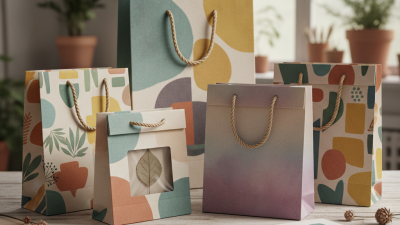
Customizing paper shopping bags is a vital step for effective branding. A well-designed bag can enhance your business's visibility. Colors, logos, and typography play crucial roles in referring customers to your brand. Select a design that resonates with your target audience. Each detail should tell your brand’s story.
Durability is another aspect to consider. Bags must withstand weight and usage. Aesthetics matter, but functionality is key. Consider the materials used and their sustainability. Recycled options appeal to eco-conscious consumers. However, balancing quality with cost can be challenging.
Embrace your unique style in customization. Experiment with different shapes or sizes. Eye-catching graphics can draw attention in a crowded market. Remember, the goal is to make an impression. Reflect on past designs and their impact. Continuous improvement can lead to better customer engagement.