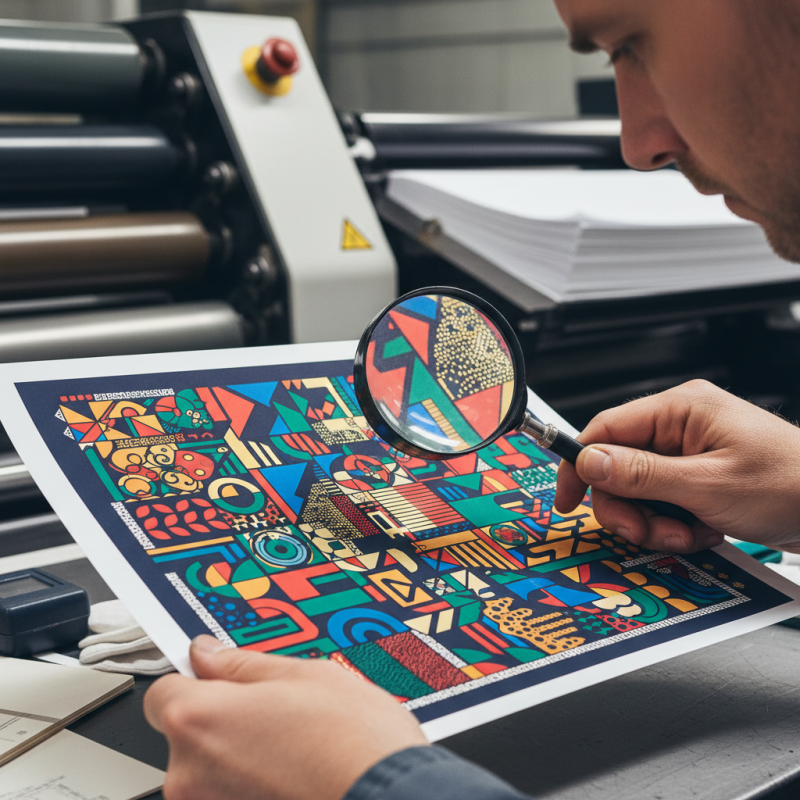
How to Ensure Quality in Offset Printing Inspection?
Offset printing remains a critical process in the printing industry, ensuring high-quality output. Effective Offset Printing Inspection is essential to uphold standards. Every print run must be accurate and consistent. However, achieving this consistently can be challenging.
Quality control in offset printing requires a keen eye and systematic approaches. Inspectors must look for color accuracy, registration, and overall print quality. Each detail matters. Often, small errors can go unnoticed, leading to significant issues later. Emphasizing the correct use of equipment and materials is vital.
Mistakes do happen, even with experienced teams. Regular training and updated inspection techniques can help mitigate these issues. Relying solely on automated systems might lead to oversight. Human judgment remains invaluable in Offset Printing Inspection. The balance of technology and expertise enhances inspection reliability.
Understanding the Importance of Quality Control in Offset Printing
Quality control is vital in offset printing. According to a recent industry study, nearly 30% of print defects are linked to inadequate inspection processes. This statistic emphasizes the significance of meticulous oversight from pre-press to the final product.
Employing rigorous quality control methods can substantially reduce errors. Regularly calibrating printing presses is essential. When presses are misaligned, even minor shifts can lead to color discrepancies. The same study indicated that misaligned presses can result in up to a 15% increase in material waste. This underlines the necessity for organizations to be proactive in their approach.
Moreover, staff training is often overlooked. Many operators lack the skills to identify subtle quality issues. Training programs have been shown to enhance detection rates, often by over 20%. However, not all organizations prioritize this kind of training, leaving a gap that can lead to significant quality issues. Investing in education and consistent evaluation is essential for boosting overall quality in offset printing.
Key Steps in Setting Up an Effective Inspection Process
Setting up an effective inspection process in offset printing is crucial for maintaining quality. One key step is training staff on inspection criteria. Employees should understand what to look for, such as color consistency and alignment issues. Regular workshops can improve their skills and awareness of common printing defects.
Another important aspect is the use of technology. High-resolution scanners and automated systems can enhance the inspection process. However, reliance on technology alone can lead to oversights. Human inspectors must still analyze the results. Balancing technology with human judgment enhances the inspection's effectiveness.
Documenting each inspection cycle is vital. Keeping detailed records provides insights into recurring issues. This data can help pinpoint problems in the printing process. Additionally, it encourages a culture of continuous improvement. Yet, businesses should remember that no process is foolproof. Regularly revisiting and refining the inspection process is essential for sustained quality in offset printing.
Essential Tools and Technologies for Offset Printing Inspection
In offset printing, quality control is essential to deliver flawless results. Key tools and technologies are fundamental for effective inspection. Digital measuring devices, like color spectrophotometers, ensure color accuracy. They help printers maintain consistency throughout the print run. This reliability is critical because nearly 80% of clients claim that color fidelity affects their satisfaction.
Another important technology is automated defect detection systems. These systems utilize advanced imaging technology to identify imperfections in real time. According to a recent industry report, automation can reduce labor costs by up to 30%. However, reliance on technology alone can be a pitfall. Human inspection still plays a vital role, as machines may miss subtle flaws.
Quality management software also contributes significantly. It allows operators to track production data and identify trends. Without this oversight, quality issues may go unnoticed until it’s too late. In fact, 60% of print defects arise from process variations. Thus, combining sophisticated tools with skilled human oversight enhances the overall inspection process. Addressing imperfections continuously can lead to better outcomes in offset printing.
Common Defects in Offset Printing and How to Identify Them
In offset printing, quality control is crucial. Here are some common defects and how to identify them. One significant defect is ink smudging. This occurs when ink does not dry properly, leading to blurred images. To detect this issue, conduct a simple touch test on printed samples. If the ink smears, adjustments in drying time or ink formulation are necessary.
Another prevalent defect is color inconsistency. This can arise from variations in ink viscosity or improper calibration of the printing press. Regular color checks using color spectrometers can help ensure adherence to standards. According to industry reports, a 2% variation from the target color can be considered unacceptable for quality printing.
Tips: Always maintain an optimal temperature and humidity in the printing environment. These factors affect how ink dries and adheres to paper. Ensure that staff are trained in recognizing and addressing these defects. Regular maintenance of machinery can significantly reduce printing faults. Remember, every error is a learning opportunity. Analyze discrepancies closely to prevent future issues. Consistent evaluation leads to improved quality assurance in offset printing.
How to Ensure Quality in Offset Printing Inspection?
| Defect Type | Description | Identification Method | Preventive Measures |
| Color Variations | Inconsistent color between prints | Visual inspection and colorimetric measurements | Regular calibration of printing machines |
| Smudging | Ink smudging across the print | Check for wet ink and manual touch | Proper drying time and handling procedures |
| Missing Elements | Incomplete images or text not printed | Spot-checking printed proofs against originals | Ensure correct file setup and pre-press checks |
| Banding | Horizontal streaks or lines in the print | Close visual inspection and testing with gradients | Regular maintenance of rollers and equipment |
| Misregistration | Colors do not line up correctly | Alignment tests during setup | Adjusting registration during print runs |
Collaborating with Print Operators for Improved Quality Assurance
In offset printing, quality is paramount. Collaborating closely with print operators enhances quality assurance. Their firsthand experience provides insights that can pinpoint potential issues early in the process. The communication loop must be open. Operators should feel comfortable reporting inconsistencies. This fosters a culture of quality that extends beyond the printing floor.
Here are some tips to improve this collaboration. First, schedule regular meetings to discuss ongoing projects. This allows for troubleshooting and immediate feedback. Encourage operators to share their observations, even if they seem minor. Those small details can lead to significant improvements.
Also, implement visual aids. Color charts and standards can serve as quick references for operators. These tools help ensure consistent quality. However, relying solely on visual aids isn’t enough; operators need proper training. Regular workshops can reinforce their skills and raise awareness of common pitfalls. Balancing technology with human expertise creates a more reliable inspection process.