Back to top

10 Tips to Buy Paper Bags That Are Eco Friendly and Affordable

In today's environmentally conscious world, more consumers are looking for sustainable alternatives to traditional plastic packaging. As a result, the demand for eco-friendly options, particularly paper bags, has surged. When you decide to buy paper bags, you not only contribute to reducing plastic waste but also support the use of renewable resources. However, with a plethora of options available, it can be challenging to find the right balance between affordability and sustainability.

Understanding the key factors to consider when buying paper bags is essential for making an informed choice. From the type of materials used to the quality of construction, the options can vary significantly. This guide offers practical tips to help you navigate the process of purchasing paper bags that meet your eco-friendly criteria without breaking the bank. By following these strategies, you can ensure that your investment aligns with both your budget and your values, paving the way for a greener future for all.
10 Tips to Buy Paper Bags That Are Eco Friendly and Affordable

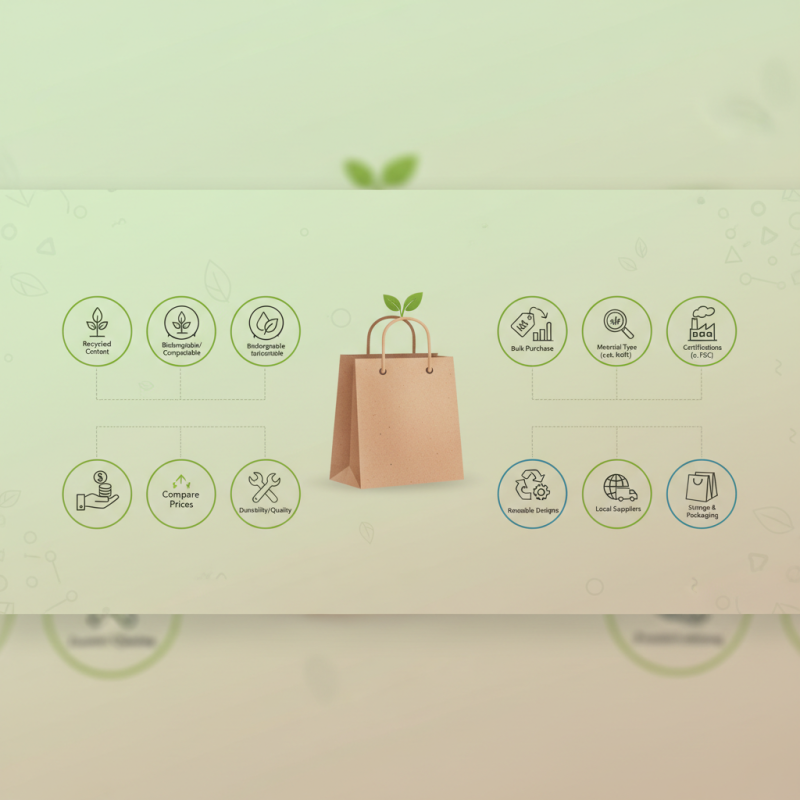
Understanding Eco-Friendly Paper Bags: What to Look For
10 Tips to Buy Paper Bags That Are Eco Friendly and Affordable

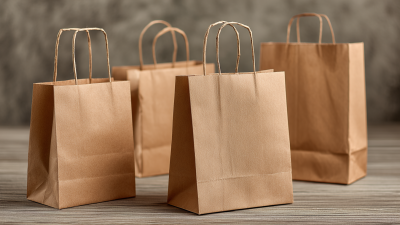
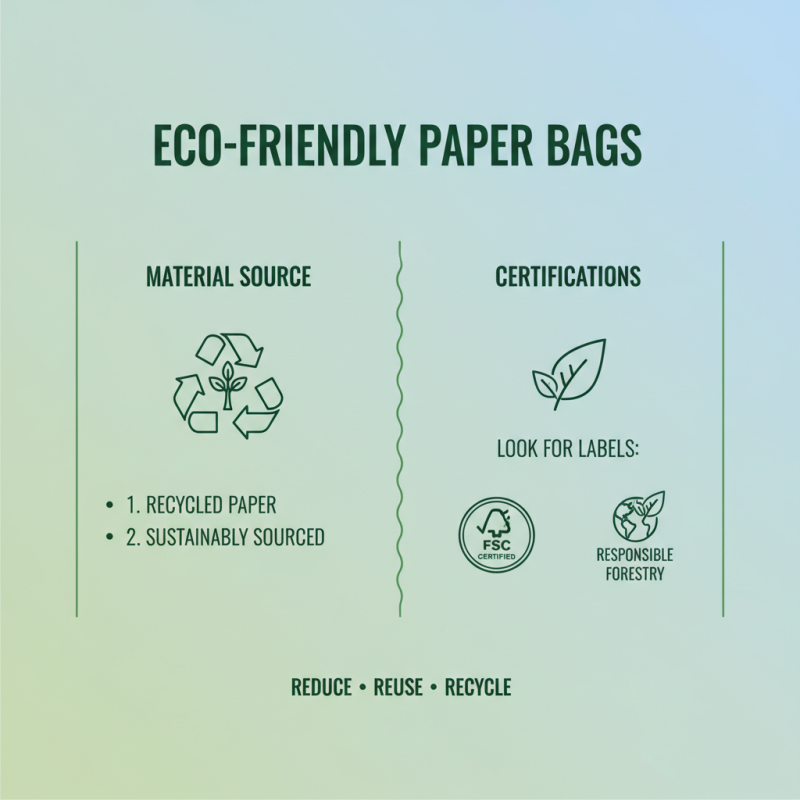
When looking for eco-friendly paper bags, several key factors should be considered to ensure that your purchase aligns with sustainable practices. Firstly, it is crucial to check the source of the paper used in the bags. Opt for bags made from recycled materials or sustainably sourced paper, as this reduces the demand for virgin resources and minimizes environmental impact. Look for certifications, such as those from recognized environmental organizations, which can provide assurance that the paper comes from responsible forestry practices.

Additionally, consider the design and durability of the paper bags. A well-constructed bag not only reduces the likelihood of it tearing and ending up in landfills but also allows for multiple uses, enhancing its eco-friendliness. Aspects such as the thickness of the paper, the type of handles, and the overall design contribute to the bag’s longevity and functionality. Choosing biodegradable or compostable bags adds an extra layer of environmental consideration, ensuring that even after their lifecycle ends, they will not contribute to pollution or landfills. These factors not only help in making a responsible choice but also ensure that you get the best value for your investment.
Evaluating Material Options for Sustainable Paper Bags

When considering sustainable paper bags, the first step is evaluating different material options. Recycled paper is a popular choice due to its minimal environmental impact. It typically requires less energy and water during production compared to virgin paper. Additionally, the use of post-consumer recycled materials reduces waste and can often be sourced locally, lowering the carbon footprint associated with transportation.

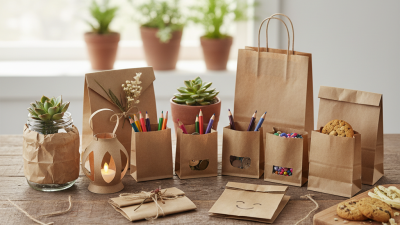
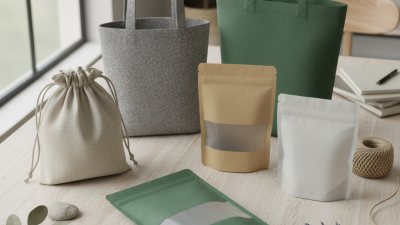
Another option to consider is kraft paper, which is known for its strength and versatility. Kraft paper is made from wood pulp and is biodegradable, making it an eco-friendly alternative. For those looking for water-resistant qualities, laminated paper can be suitable; however, it’s important to check the type of laminate used, as some may hinder recyclability. Organic or unbleached paper can also be sustainable choices, as they do not undergo harmful chemical processes, thus preserving more of the natural environment.

Ultimately, weighing the benefits and drawbacks of each material will lead to more informed decisions when purchasing paper bags that align with eco-friendly values.

Cost-Effective Strategies for Purchasing Paper Bags in Bulk

10 Tips to Buy Paper Bags That Are Eco Friendly and Affordable

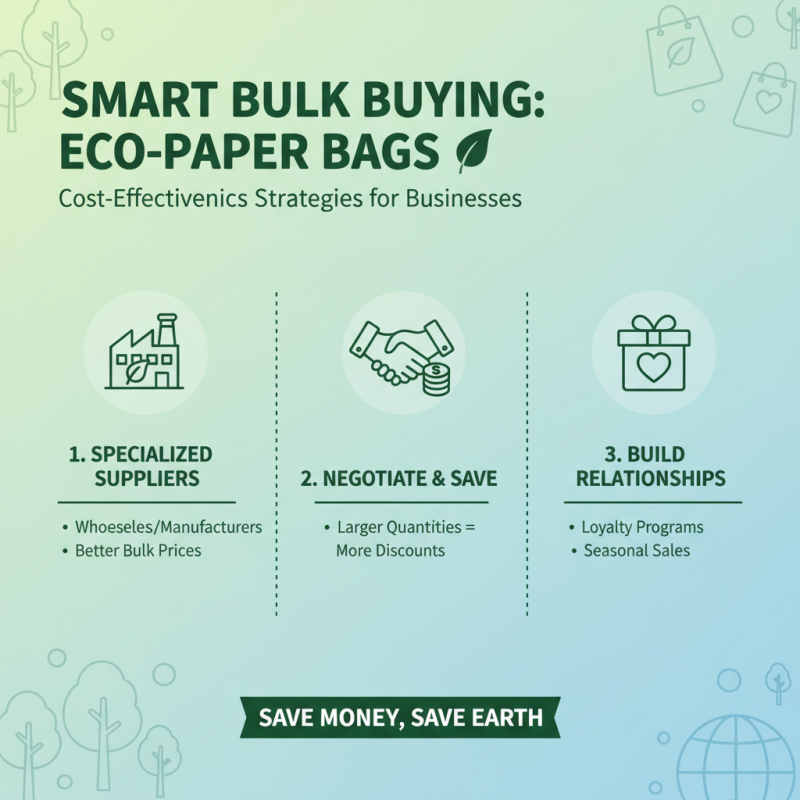
When it comes to purchasing eco-friendly paper bags in bulk, cost-effectiveness is key. One effective strategy is to seek out wholesalers or manufacturers that specialize in sustainable products. These suppliers often provide better prices for bulk orders, allowing businesses to save significantly on each purchase. Additionally, negotiating prices based on larger order quantities can lead to further discounts. Establishing a good relationship with suppliers may also unlock loyalty programs or seasonal sales that contribute to more savings.

Another vital aspect is to consider the material and design of the paper bags. Opting for recycled or biodegradable options can help in reducing costs in the long run, as these materials often require less energy for production. Moreover, by selecting simple, minimalist designs, businesses can avoid added costs associated with complex printing or custom shapes. It's also beneficial to keep an eye on local suppliers to minimize shipping costs, encouraging not just economical choices but also supporting the local economy. By implementing these strategies, purchasing eco-friendly paper bags can be both sustainable and budget-friendly.

Assessing Vendor Practices for Eco-Conscious Production

When considering the environmental impact of paper bag production, it is crucial to evaluate vendor practices. A recent report from the Paper and Packaging Board indicates that over 70% of consumers prioritize sustainability when choosing products, yet only 15% are confident in the eco-friendliness of the packaging they buy. This highlights a significant gap that conscientious buyers must navigate. Vendors who utilize sustainable forestry practices, such as sourcing wood from certified forests, can significantly reduce their ecological footprint. A commitment to using renewable energy and minimizing waste during the production process also signals a vendor's dedication to eco-conscious practices.

When purchasing paper bags, keep these tips in mind to ensure that you select vendors who align with your values: First, ask vendors about their sourcing materials: certified paper products not only reduce deforestation but are also often recyclable and biodegradable. Second, inquire about their production processes—those who prioritize water conservation and low emissions demonstrate a stronger commitment to sustainability. Lastly, consider the long-term viability of the bags. Investing in durable, reusable designs may be more cost-effective and environmentally friendly, offsetting the initial purchase cost over time.

In addition to assessing vendor practices, staying informed about industry certifications can enhance your selection process. Certifications like FSC (Forest Stewardship Council) or SFI (Sustainable Forestry Initiative) provide assurance that the products are sourced responsibly. Ultimately, being mindful of vendor practices ensures that your choice of paper bags not only supports the environment but also aligns with the shifting consumer preferences toward sustainable packaging solutions.

Tips for Ensuring Durability and Functionality of Paper Bags

When selecting eco-friendly paper bags, it is crucial to focus not only on sustainability but also on the durability and functionality of the bags. First, consider the weight and thickness of the paper. Heavier paper typically offers greater strength, enabling the bag to carry more weight without tearing. Additionally, reinforced seams and handles can significantly enhance the bag's longevity. Look for bags with a solid construction that can withstand everyday use while effectively serving their purpose, whether for groceries, shopping, or packaging.

Furthermore, the design of the paper bag plays a vital role in its functionality. Opt for bags with gussets, as these allow for a more spacious interior, making them more versatile for various items. Ensure that the handles are either sturdy paper or incorporated into the bag's structure to prevent ripping during transport. Water-resistant coatings can be beneficial as well, providing extra protection against spills and moisture. By prioritizing these factors, you can ensure that your eco-friendly paper bags are not only good for the environment but also reliable and user-friendly in everyday scenarios.

10 Tips to Buy Paper Bags That Are Eco Friendly and Affordable

Tip Details Benefits
1. Choose Recycled Materials Opt for bags made from post-consumer recycled paper. Reduces waste and conserves resources.
2. Look for Sustainable Sourcing Ensure the paper is sourced from sustainable forests. Supports responsible forestry practices.
3. Check for Certifications Look for eco-certifications like FSC or SFI. Assures you of environmentally friendly practices.
4. Evaluate Durability Test weight and construction quality before purchasing. Ensures the bags can hold their intended contents without tearing.
5. Assess Size Variety Choose suppliers that offer various sizes for different needs. Provides flexibility for different types of products.
6. Compare Costs Obtain quotes from multiple suppliers to find the best prices. Helps maintain budget while ensuring quality.
7. Consider Customization Options Look for suppliers that offer branding or design services. Enhances branding and engages customers.
8. Review Shipping Policies Check for eco-friendly shipping options offered by suppliers. Minimizes environmental impact during transport.
9. Explore Bulk Purchase Discounts Ask about discounts for larger quantities of paper bags. Reduces costs and inventory needs.
10. Seek Reviews and Feedback Check online reviews and testimonials about suppliers. Ensures reliable purchasing decisions.
X