What is a Packaging Bag and How to Choose the Right One?
In the world of consumer products, packaging plays a vital role. Packaging bags are essential for protecting goods during transport and storage. They also serve to attract customers. According to John Harrison, a leading expert in packaging solutions, “The right packaging bags can make or break a product’s success.” Choosing the right type becomes crucial for businesses.
When selecting packaging bags, consider material, size, and functionality. Different products need different types. For instance, fragile items may require padded packaging, while food products need airtight bags. This choice can directly influence customer satisfaction. Many brands often overlook this aspect.
Not all packaging bags are equally effective. Some may not provide adequate protection. Others might be environmentally harmful. It’s important to reflect on the long-term impacts of packaging choices. Balancing utility and sustainability is not always straightforward. Each decision must be carefully evaluated to ensure that it meets the brand's goals and consumer expectations.
What is a Packaging Bag? An Overview of Its Function and Types
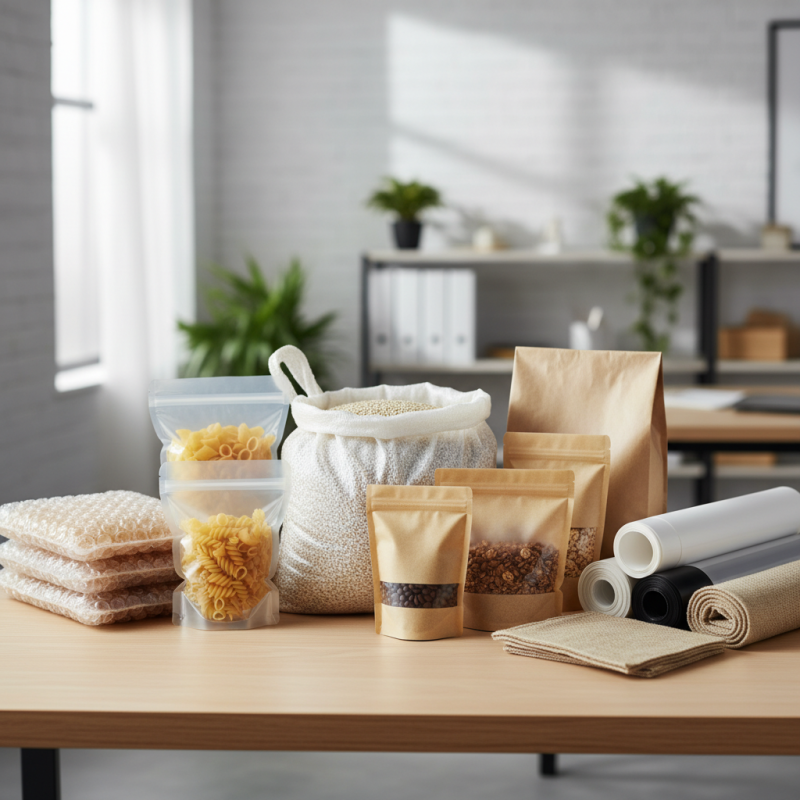
Packaging bags play a crucial role in various industries. They protect products while ensuring ease of transportation. Different types of packaging bags include
poly bags,
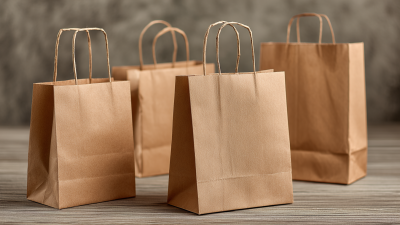
paper bags, and
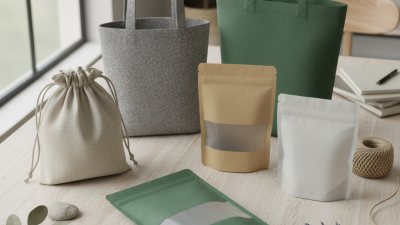
reusable options. Each type serves unique purposes.
Poly bags are often used for retail items, while
paper bags are popular for eco-friendly packaging.
When choosing a packaging bag, consider the product's nature. Fragile items need
sturdier bags. Weight is another factor. Lightweight products can use thinner materials. Remember, not all bags are created equal. Sometimes, bags that look appealing may not offer the best protection.
Tips: Always test your packaging material. Try different types to see which works best. Consider user feedback for improvements. Regularly review your packaging options; what worked before may need adjustments now.
The Importance of Packaging Bags in Product Safety and Branding
Packaging bags play a crucial role in product safety. They protect items from damage during transport. A sturdy bag prevents spills, tears, and contamination. Imagine fragile electronics or food products without adequate protection. This can lead to significant losses, both financially and in customer trust. A well-designed packaging bag reduces the risk of such issues.
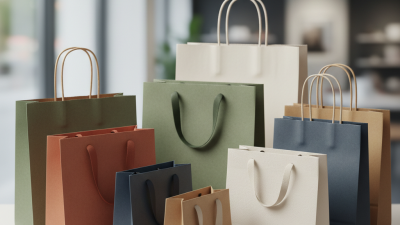
Branding is another vital aspect. The design of a packaging bag can leave a strong impression. Eye-catching graphics attract attention on shelves and online. Colors and fonts communicate your brand’s personality. However, it’s easy to overlook details. Sometimes, designs are too complicated or don’t align with the product’s message. Simplicity often works best.
Choosing the right packaging bag requires careful thought. Consider materials that align with your product type. Eco-friendly options are becoming more popular and expected. Think about functionality too. Is it easy to open? Will it be resealable? Reflect on these questions when making a choice. The right bag enhances both safety and brand identity.
Key Factors to Consider When Choosing Packaging Bags
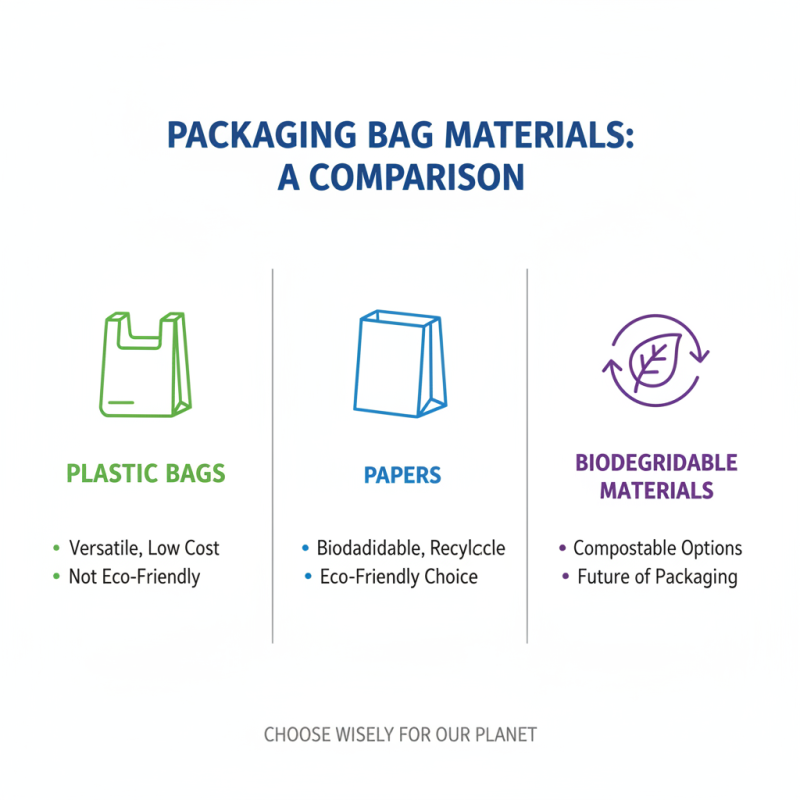
When choosing packaging bags, several key factors come into play. Firstly, consider the material. A good packaging bag should protect the contents. Materials like plastic, paper, or biodegradable options are common. Each comes with its pros and cons. Plastic is durable but not eco-friendly. Paper is more sustainable but less water-resistant.
Next, think about size and shape. This should match your product’s dimensions. A bag that’s too big can waste space. A tight fit may lead to damage. Proper sizing ensures products are secure during transport.
**Tips:** Test your bags with sample products. Check for strong seams and closure mechanisms. Also, reflect on your brand identity. Choose colors and designs that resonate with your target audience. While it’s tempting to stick with basics, unique packaging can enhance the customer experience. Small details often make a big difference.
Comparative Analysis of Materials Used in Packaging Bags
When selecting a packaging bag, the choice of material is crucial. Common options include plastic, paper, and biodegradable materials. Plastic bags are versatile and inexpensive. However, they are not always eco-friendly. Many consumers now prefer paper bags. They are biodegradable and recyclable, making them a better choice for the environment.
Biodegradable materials are gaining traction in the market. These options break down easier than traditional plastics. They appeal to environmentally conscious customers. Yet, the longevity and durability of these bags can sometimes fall short. For example, they might not be suitable for heavy or wet items. There is still room for improvement in their structural integrity.
In contrast, standard plastic bags offer excellent strength. They can handle a wide range of products without tearing. Still, their environmental impact raises concerns. Many users grapple with the trade-offs. Ultimately, the choice of material depends on specific needs and values. Understanding these factors can guide consumers toward making better decisions.
Current Market Trends and Innovations in Packaging Bag Design
In the ever-evolving world of packaging, design plays a critical role. Today, we see a shift towards eco-friendly materials. Many companies are opting for biodegradable options. This move is not just a trend; it reflects growing consumer awareness. They want products that are sustainable and responsible. Simple designs with vibrant colors are becoming more popular. A good design grabs attention quickly.
Innovation is happening across materials and functionalities. Many bags now come with resealable features. This convenience appeals to busy consumers. Other innovations include multi-purpose bags that can be reused in different ways. Such practicality can set a product apart from competitors. Still, some brands struggle to adapt to these changes. They may cling to outdated designs or materials. Consumers notice.
Market research shows that consumer preferences are shifting fast. Brands need to stay alert. Uniqueness and functionality should guide design choices. However, not every choice will succeed. It's essential to analyze feedback and adjust accordingly. The right packaging can enhance the product's appeal significantly. Yet, many companies overlook this vital aspect. They risk losing relevance in a competitive market.
Current Market Trends in Packaging Bag Design