How to Choose the Best Paper Packaging for Your Business Needs
In today's environmentally conscious market, the choice of packaging materials is more crucial than ever for businesses seeking to minimize their ecological footprint while maximizing efficiency. As companies increasingly turn to sustainable options, paper packaging has emerged as a frontrunner due to its renewable nature and recyclability. Industry expert Dr. Emily Sanderson, a renowned figure in sustainable packaging solutions, emphasizes, "Choosing the right paper packaging not only enhances product presentation but also aligns a brand with the growing demand for sustainability."
Selecting the appropriate paper packaging requires businesses to consider various factors such as product compatibility, durability, cost-efficiency, and environmental impact. With a multitude of options available—from recycled paper to specialty finishes—companies must navigate these choices carefully to ensure they meet their unique needs while also appealing to eco-conscious consumers. As we delve into the intricacies of selecting the best paper packaging for your business, it's essential to recognize how thoughtful packaging decisions can contribute to both brand identity and environmental stewardship in a competitive marketplace.

Understanding Different Types of Paper Packaging Available in the Market
When considering paper packaging options for your business, it is crucial to understand the various types available in the market. One common type is cardboard packaging, known for its sturdiness and versatility.
Cardboard boxes are widely used for shipping and storing products, offering excellent protection during transit. They come in various grades, thicknesses, and structural designs, allowing businesses to customize them to meet specific product dimensions and weight requirements.
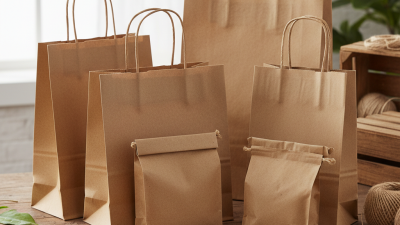
Another popular choice is paper bags, which have gained traction due to their eco-friendly nature and lightweight design.
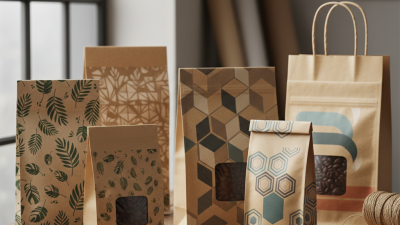
These bags can be easily customized with prints and colors, making them ideal for retail environments. They also come in different styles, such as flat, gusseted, or even with handles, catering to various consumer needs. Furthermore, recyclable and biodegradable options are increasingly available, appealing to environmentally conscious businesses and customers.
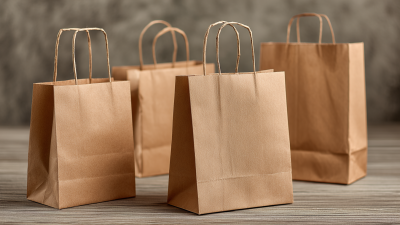
Lastly, kraft paper packaging has become a preferred choice for many industries due to its rustic appearance and durability.
This type of packaging can be used for wrapping products or creating boxes and is often chosen for its strength and ability to resist tearing. Kraft paper is also easily printable, allowing for branding opportunities without sacrificing sustainability.
Understanding these various types of paper packaging will ensure that you select the best fit for your business needs.
Evaluating the Sustainability of Paper Packaging Options for Your Business
When evaluating the sustainability of paper packaging options, businesses must consider both the source and lifecycle of the materials. According to a 2022 report by the Paper and Packaging Board, over 70% of paper packaging products were made from recycled materials, emphasizing a commitment to resource conservation. Using recycled paper not only reduces the demand for virgin pulp, which can deplete forests, but also significantly lowers greenhouse gas emissions. The report highlights that choosing recycled materials can reduce carbon emissions by up to 60% compared to new materials, presenting a compelling case for sustainability-minded businesses.
Furthermore, it is essential to assess the end-of-life options for paper packaging. The American Forest & Paper Association indicates that more than 65% of paper and paperboard products were recycled in the U.S. in 2019. Businesses should investigate local recycling capabilities and consumer behavior relevant to their packaging products. By ensuring that packaging can be effectively composted or recycled, companies can not only minimize landfill waste but also bolster their sustainability claims, appealing to a growing demographic of eco-conscious consumers. Prioritizing sustainable paper packaging solutions will not only align with environmental goals but can also enhance brand image and customer loyalty.
Choosing Sustainable Paper Packaging Options
This chart evaluates various paper packaging options based on their sustainability scores. The scores range from 1 to 10, with higher scores indicating more sustainable options.
Assessing Cost-Effectiveness of Various Paper Packaging Solutions
When choosing paper packaging solutions for your business, cost-effectiveness is a critical consideration.
According to a report by Smithers Pira, the global market for paper packaging is projected to reach $500 billion by 2025, reflecting a growing trend of sustainability in packaging. Paper packaging options can often be less expensive than their plastic counterparts, particularly when considering the environmental impact.
A Comparative Life Cycle Assessment (LCA) indicates that paper packaging can reduce carbon emissions by up to 27% compared to plastic packaging when produced from recycled materials.
Tips for selecting cost-effective paper packaging include:
- Evaluating your packaging volume requirements.
- Bulk purchasing can lead to significant savings, and many suppliers offer discounts for larger orders.
- Considering the total cost of ownership, which encompasses manufacturing, transportation, and disposal.
- Sustainable choices, such as recycled paper, may have a higher upfront cost but can result in long-term savings and environmental benefits.
It's also essential to find the right balance between quality and price. Investing in durable, high-quality paper can decrease damage rates during storage and transit, minimizing costs related to replacements and customer dissatisfaction.
Research shows that businesses that prioritize quality packaging experience a 30% increase in customer loyalty. By assessing various options and understanding the total cost implications, you can make informed choices that align with your businesses' sustainability goals and budgetary constraints.
Identifying the Specific Needs of Your Products for Optimal Packaging
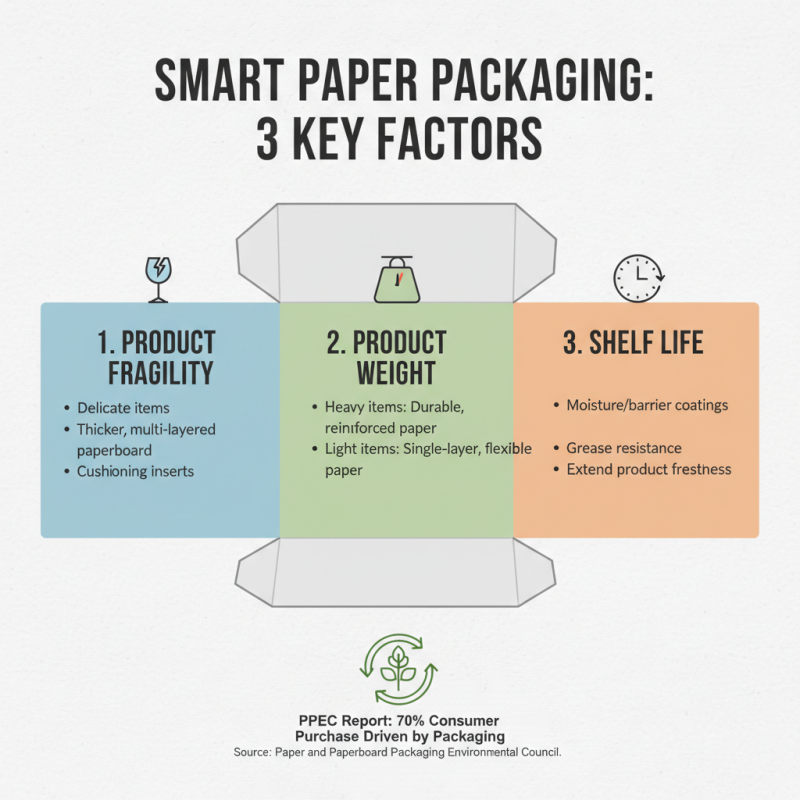
When selecting paper packaging, it's crucial to first identify the specific needs of your products to ensure optimal performance and consumer satisfaction. According to a report from the Paper and Paperboard Packaging Environmental Council (PPEC), approximately 70% of consumers consider packaging to influence their purchasing decisions, making it essential to align packaging characteristics with product requirements. Factors such as product fragility, weight, and shelf life play significant roles in determining the right type of paper packaging. For instance, heavier and more fragile items may require thicker, multi-layered paperboard, while lightweight products can often be packaged in single-layer options.
Additionally, the environmental impact of paper packaging is a growing concern among consumers and businesses alike. The Sustainable Packaging Coalition indicates that 61% of consumers are more likely to purchase products packaged sustainably. This places an emphasis on using recyclable and biodegradable materials which not only cater to consumer preferences but also help companies meet regulatory standards. Identifying the specific sustainability goals of your business can guide you in choosing paper packaging that aligns with both your product needs and corporate responsibility objectives. This dual approach not only enhances product protection but also resonates with an increasingly environmentally conscious market.
Making Informed Decisions: Factors to Consider When Choosing Paper Packaging
When selecting paper packaging for your business, it’s essential to consider various factors that directly impact both the functionality and sustainability of your packaging solutions. One significant aspect is the material's source and recyclability. According to a report by Smithers Pira, the global market for sustainable paper packaging is expected to reach approximately $450 billion by 2025, emphasizing the growing demand for eco-friendly solutions. Businesses that prioritize sustainable options often enjoy enhanced brand loyalty and customer satisfaction, as consumers increasingly prefer products with minimal environmental footprints.
Another critical factor to consider is the packaging's design and functionality. A well-designed paper package not only protects the product but also enhances its appeal on the shelf. In fact, research from the Packaging Institute indicates that 70% of purchasing decisions are influenced by packaging design alone. It’s crucial to analyze the specific requirements of your product, such as size, weight, and fragility, to ensure that the chosen paper packaging can effectively safeguard the item throughout its journey—from production to distribution to retail.
Furthermore, it's important to assess the cost-effectiveness of various paper packaging options. A comprehensive study by the Freedonia Group suggests that while initial costs may vary significantly, businesses should consider long-term savings associated with recyclable materials and the potential for reduced waste disposal costs. By weighing these considerations, companies can make informed decisions that align both with their financial objectives and their commitment to sustainability.