How to Choose the Best Greaseproof Paper Bags for Your Business Needs
In the evolving landscape of food service and packaging, the demand for efficient, sustainable solutions has never been more critical. Greaseproof paper bags have emerged as a pivotal choice for businesses looking to offer both convenience and reliability in their packaging solutions. According to a recent industry report from Smithers Pira, the global demand for sustainable packaging is expected to grow from $200 billion in 2020 to over $300 billion by 2026, highlighting a significant shift towards eco-friendly materials. This trend is particularly relevant in the food industry, where the need to maintain food quality while minimizing environmental impact poses a dual challenge for operators.
Moreover, the versatility of greaseproof paper bags makes them suitable for various applications, from take-out meals to bakery items. Research indicates that 60% of consumers are willing to pay more for environmentally friendly packaging, suggesting that investing in high-quality greaseproof paper bags could not only enhance customer satisfaction but also contribute to a brand's eco-conscious image. As you navigate the choices available in the market, understanding the unique features and benefits of greaseproof paper bags will be essential in meeting your business needs and aligning with consumer expectations in a competitive market.
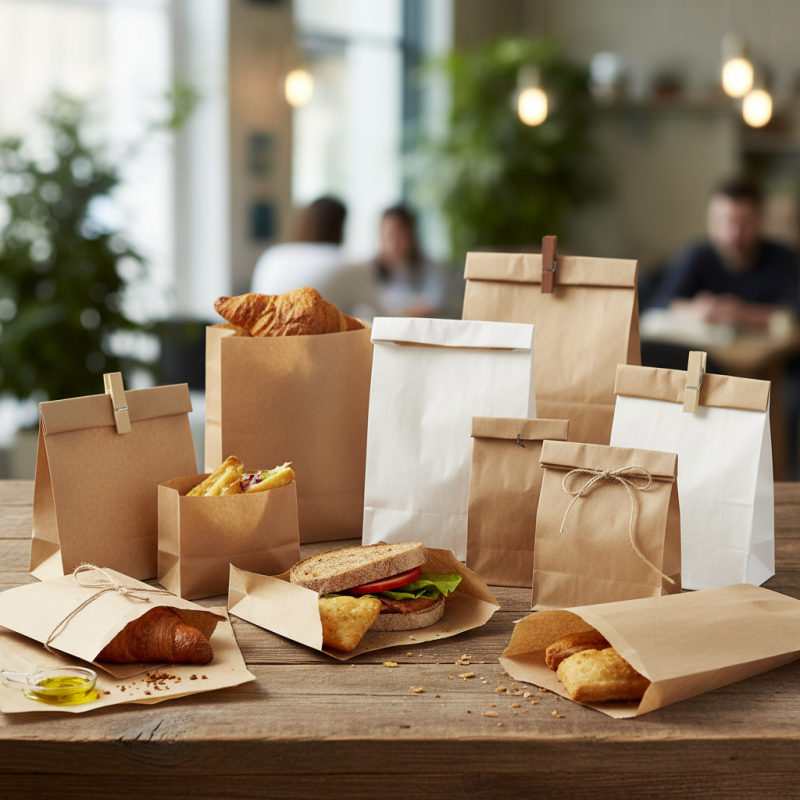
Understanding Greaseproof Paper Bags and Their Importance
Greaseproof paper bags serve a vital role in various businesses, particularly in the food industry. Made from specially treated kraft paper, these bags are designed to withstand oils and fats, ensuring that they maintain their integrity when holding greasy or fried foods. This characteristic not only protects the product but also enhances the customer experience, as customers can handle their food without the risk of leaks or mess. Understanding the importance of greaseproof paper bags can help businesses enhance their packaging strategy and improve customer satisfaction.
When choosing greaseproof paper bags, consider the size and style that best fits your products. Different foods may require different bag capacities or styles, such as flat or pleated designs. Additionally, you should also think about the thickness of the paper, as a sturdier option may provide better protection for heavier or oil-laden items.
**Tips:** Always test the bags with your specific foods to ensure compatibility. Also, consider the environmental impact; opting for biodegradable greaseproof paper bags can appeal to eco-conscious customers and improve your brand image. It’s also beneficial to find suppliers who offer customization options, allowing you to include your branding securely printed on the bags, enhancing brand visibility while meeting your packaging needs.
Identifying Your Business Needs for Greaseproof Paper Bags
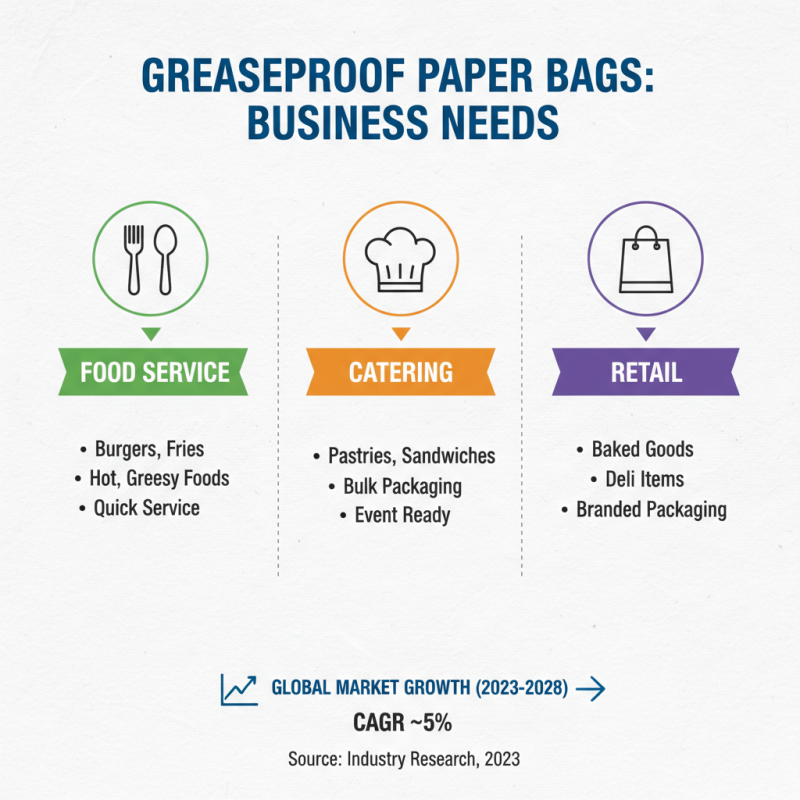
When selecting the right greaseproof paper bags for your business, it’s essential to begin by identifying your specific needs. Different industries—such as food service, catering, or retail—have varying requirements based on the types of products being packaged. Research indicates that the food packaging market, particularly for greaseproof materials, is projected to grow at a CAGR of approximately 5% from 2023 to 2028. Understanding these dynamics can guide you in choosing the most suitable bag that caters to your customer base and operational requirements.
Material strength and sustainability are two critical factors to consider. Studies show that consumers are increasingly seeking eco-friendly packaging options, with around 60% expressing a preference for sustainable materials. Greaseproof paper bags are popular in the food sector due to their ability to prevent oil or grease from seeping through, thereby maintaining product freshness and protecting the environment. Additionally, consider the size and design of the bags; for instance, businesses that offer take-out services often opt for larger sizes or handles, while gourmet shops might prefer smaller, more decorative options that enhance the presentation of their products. Investing time in understanding your business’s unique requirements can lead to better customer satisfaction and ultimately influence your bottom line.
Evaluating Different Materials and Specifications of Greaseproof Bags
When evaluating greaseproof paper bags for business needs, it's essential to consider the material composition. Greaseproof bags are typically made from various types of paper, including kraft and bleached options. Kraft paper is favored for its strength and durability, making it suitable for heavier food items, while bleached paper provides a clean, attractive appearance ideal for showcasing products. Additionally, some bags are coated with a barrier that enhances grease resistance, further preventing oil seepage and maintaining the integrity of the contents.
Another crucial specification is the bag's thickness, which can impact its performance. Thicker bags tend to offer better protection against moisture and grease, making them a suitable choice for items like fried foods or pastries. Furthermore, consider the bag’s size and design to ensure it aligns with your branding and product presentation. Custom-sized bags can accommodate varying portions, improving the overall customer experience. Overall, understanding these materials and specifications will help in selecting the most effective greaseproof paper bags for your business.
Material and Specifications Comparison of Greaseproof Paper Bags
Comparing Sizes, Styles, and Customization Options Available
When selecting greaseproof paper bags for your business, it's essential to consider the various sizes, styles, and customization options available. According to a recent industry report by Smithers Pira, the demand for environmentally friendly packaging solutions is projected to grow at a CAGR of 4.6% through 2028, highlighting the increasing preference for sustainable materials in food packaging. Sizes can range from small bags for snacks to larger options suitable for takeaway meals, allowing businesses to cater to diverse customer needs. For instance, while small bags may be perfect for single-serve items, larger bags are necessary for bulk orders or family-sized portions.
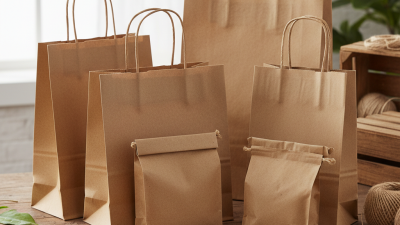
In addition to size, the choice of style can significantly impact the customer experience. Options include flat bags, block-bottom bags, and window bags, each serving unique purposes. Block-bottom bags, for instance, offer greater stability and are designed for heavier items, making them ideal for bakeries and delis. Customization is another critical factor; businesses can enhance their branding by printing logos and designs on the bags. A 2021 report by Freedonia Group indicates that custom printed packaging can boost brand recognition by up to 70%. This makes it crucial for businesses to think about how their greaseproof paper bags align with their brand message while meeting all functional requirements. Ultimately, the right combination of size, style, and customization will ensure that your packaging meets both your operational needs and your customers' expectations.
How to Choose the Best Greaseproof Paper Bags for Your Business Needs - Comparing Sizes, Styles, and Customization Options Available
| Bag Size |
Bag Style |
Material Thickness (gsm) |
Customization Options |
Ideal Use Cases |
| 5" x 7" |
Flat Pouch |
40 gsm |
Custom Printing, Stickers |
Pastries, Small Snacks |
| 8" x 10" |
Gusseted Bag |
50 gsm |
Custom Sizes, Logo Printing |
Sandwiches, Deli Items |
| 10" x 15" |
Stand-Up Pouch |
60 gsm |
Custom Colors, Handles |
Takeout Meals, Salads |
| 12" x 18" |
Reinforced Bag |
70 gsm |
Custom Logos, Multiple Colors |
Fast Food, Catering |
| 14" x 20" |
Window Bag |
80 gsm |
Full Color Printing |
Bakery Goods, Cookies |
Assessing Cost and Supplier Reliability for Bulk Purchases
When selecting greaseproof paper bags for your business, assessing supplier reliability is crucial, particularly when making bulk purchases. Supplier reliability directly affects the quality of materials and the consistency of supply, which are essential for maintaining operational efficiency. According to a recent industry report, 70% of businesses note that consistent supply and quality control are among the top priorities when selecting suppliers for packaging materials. It's vital to review potential suppliers' track records, client testimonials, and production capabilities to ensure they can deliver the quantities and quality your business needs.
Additionally, cost assessment is a key factor in supplier selection. Businesses often focus on obtaining the lowest price, but this approach can lead to compromises in material quality and service. Research shows that companies who prioritize cost without considering quality risk a 20% increase in packaging waste due to inferior materials. To balance cost and quality effectively, consider negotiating bulk purchasing agreements that offer savings while ensuring product integrity.
Tips: When evaluating suppliers, request samples of greaseproof paper bags to assess quality first-hand. Additionally, establish clear communication channels to resolve issues promptly and maintain a trustworthy partnership. By prioritizing reliable suppliers and understanding the cost-quality trade-off, you can make informed decisions that support your business's operational needs.