How to Choose UVLED Flatbed Printing for Your Business?
In today's competitive printing industry, choosing the right technology is key for business success. UVLED Flatbed Printing stands out for its versatility and efficiency. According to industry expert John Smith, “UVLED Flatbed Printing transforms how we think about quality and speed.” This statement highlights the growing importance of this technology.
Investing in UVLED Flatbed Printing can elevate your business. The ability to print on various materials offers countless marketing opportunities. However, there might be challenges in mastering the technology. Understanding your target market and how UVLED Flatbed Printing fits can be complex.
Moreover, assessing costs and capabilities requires careful thought. Will the equipment support your production needs? Can your team adapt quickly to this innovative method? Reflecting on these questions can guide effective choices. Finding a balance between cost, quality, and speed is essential. As the landscape of printing changes, knowing how to implement UVLED Flatbed Printing is vital for growth.
Understanding UVLED Flatbed Printing Technology
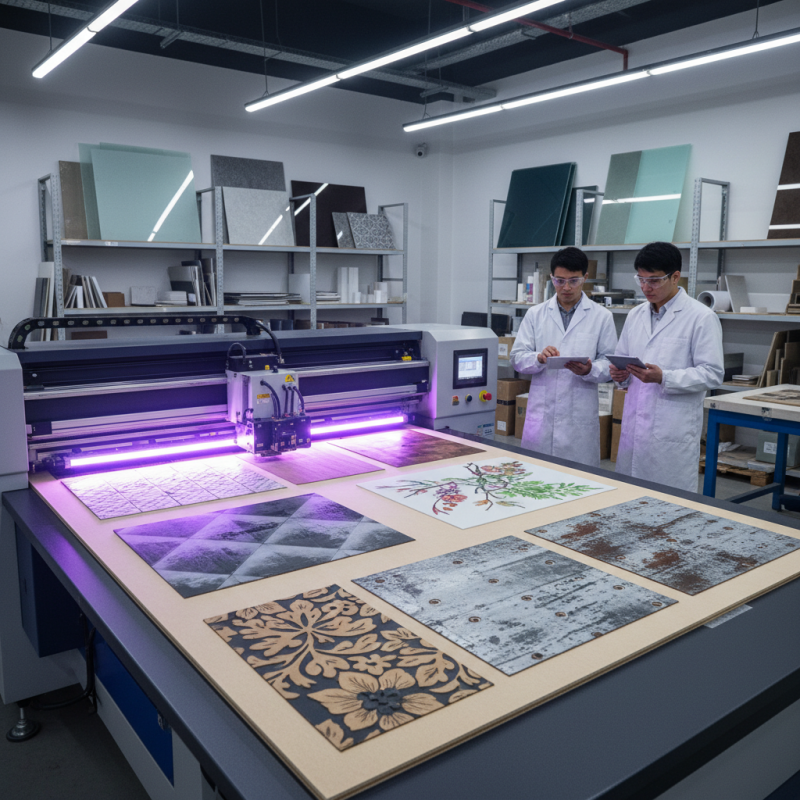
UVLED flatbed printing technology has gained significant traction in recent years. This method uses ultraviolet light to cure ink on various surfaces. According to recent industry reports, the market for UVLED printers is expected to grow at a compound annual growth rate (CAGR) of over 10% from 2023 to 2028. This growth is driven by the technology’s ability to produce high-quality prints with vibrant colors and sharp details.
One advantage of UVLED printing is its versatility. It can print on materials such as wood, metal, glass, and plastics. This flexibility allows businesses to explore different markets and applications. However, transitioning to this technology can come with challenges. Not all UVLED printers are created equal. It's essential to assess the specific needs of your business before making a purchase.
Tips: Consider your typical printing volume and the materials you use. Evaluate whether your current equipment can adapt to UVLED printing. This helps avoid costly mistakes.
Additionally, the environmental impact of UVLED printing is worth noting. These printers often use less energy and emit fewer volatile organic compounds (VOCs) than traditional methods. However, some inks can still pose disposal challenges. Research the suppliers and their sustainability practices before finalizing your choice. By taking these factors into account, you can better understand UVLED technology’s potential role in your business.
Key Benefits of UVLED Flatbed Printing for Businesses
UVLED flatbed printing offers remarkable advantages for businesses looking to enhance their productivity. One key benefit is its versatility. This technology allows printing on various materials, including wood, acrylic, and metal. As a result, companies can expand their product range. Customization becomes easy. Unique designs can cater to specific customer needs. This flexibility can attract a diverse clientele.
Another significant benefit is the speed of UVLED printing. The curing process happens almost instantly. This means shorter turnaround times. Businesses can meet tight deadlines. However, challenges may arise with ink adhesion on certain surfaces. Understanding the correct substrate is crucial. Without proper testing, quality may suffer. It's essential to strike a balance between speed and quality.
Lastly, UVLED printing is more environmentally friendly compared to traditional methods. It produces fewer volatile organic compounds (VOCs). This makes it a safer choice for both workers and customers. Yet, it's important to evaluate the overall process. Not all ink types are created equal. Ensuring sustainable practices can enhance a brand's reputation while navigating the complexities within the market is vital.
Criteria for Choosing the Right UVLED Flatbed Printer
Choosing the right UVLED flatbed printer for your business requires careful evaluation. Focus on your specific needs first. Consider the materials you will print on. Analyze your target market and design requirements. Not every printer can handle every substrate. Some might struggle with textures or thickness. You should ask what kind of projects you'll tackle.
Evaluate the printer's resolution and color accuracy. Many printers boast high resolution, but not all deliver consistent quality. Look for reviews on print durability as well. Ink adhesion can vary greatly between models. Some prints may fade or peel over time. It's crucial to check this information before making a decision.
Also, think about the size of the printing bed. A larger bed may seem ideal, but it comes with additional costs. Maintenance and operational efficiency are other critical factors. Higher performance machines may require more attention and resources. Balancing these elements against budget constraints can be challenging. Examine your workflow and production demands closely to ensure you make the best choice.
Comparing UVLED Flatbed Printers: Features and Specifications
When selecting a UVLED flatbed printer, it’s crucial to consider features and specifications that align with your business needs. Look for resolution capabilities. A higher resolution offers better print quality. This is essential for detailed graphics and fine text. Speed is another key factor. Faster printing could increase productivity. However, higher speed can sometimes compromise quality.
Tip: Assess your typical print jobs. If you often print large banners, a higher speed printer might be a priority. Conversely, if you focus on detailed graphics, prioritize resolution.
Connectivity options matter as well. A printer that connects seamlessly to various devices can streamline your workflow. Evaluate the inks used in these printers. UV inks are typically more durable and resistant to fading. However, they can sometimes cause issues with adhesion on certain materials. It's essential to understand the limitations.
Tip: Experiment with different substrates. This will help refine your choice. You might discover that certain inks perform better on certain materials, enhancing your overall print quality and process efficiency.
Finally, don't overlook the printer's size. Larger printers can handle bigger projects but may require more space. Ensure you have enough room in your workspace to accommodate your equipment comfortably.
How to Choose UVLED Flatbed Printing for Your Business? - Comparing UVLED Flatbed Printers: Features and Specifications
| Feature | Printer A | Printer B | Printer C |
| Print Area (mm) | 1200 x 800 | 1500 x 1000 | 1000 x 600 |
| Max Print Thickness (mm) | 50 | 80 | 40 |
| Resolution (DPI) | 1200 | 1440 | 600 |
| Print Speed (m²/h) | 25 | 30 | 20 |
| Ink Type | UV LED | UV LED | UV Curable |
| Weight (kg) | 200 | 250 | 180 |
| Warranty (Years) | 2 | 3 | 1 |
Cost Considerations for UVLED Flatbed Printing Setup
When considering UVLED flatbed printing for your business, cost is a critical factor. Initial setup costs can vary widely. You might need to invest in a high-quality printer, materials, and skilled labor. Equipment prices range significantly. Sometimes, cheaper options can lead to higher expenses later. Maintenance costs can also add up.
It's essential to analyze material costs. UVLED printing uses specialized inks, which can be pricier than standard inks. Understanding these expenses helps in budgeting. Additionally, think about the space required for the setup. Rent or purchase of a suitable location can be substantial.
Don't forget about ongoing costs, such as electricity and training staff. These factors can easily be overlooked. Evaluating potential returns on investment is vital. If profits don’t meet expectations, rethink your approach. Costs can sometimes lead to tough decisions about scaling your operations.
Cost Breakdown for UVLED Flatbed Printing Setup