How to Choose the Right Kraft Shopping Bags for Your Needs?
Choosing the right kraft shopping bags can be a daunting task. With numerous options available, how do you select the best one? Industry expert Sarah Johnson emphasizes, “Quality and design are key factors in making kraft shopping bags stand out.” This statement resonates in a world where packaging plays a vital role in brand perception.
Kraft shopping bags are not just functional; they are also an expression of your brand identity. Different sizes, colors, and handles can impact how customers view your business. Are you aiming for a rustic look or a modern vibe? Each choice counts. However, some businesses overlook the importance of bag durability. A beautiful bag is worthless if it tears easily.
Consider your target audience. Are they eco-conscious consumers or luxury spenders? Each group may have varying preferences in kraft shopping bags. It’s crucial to know what aligns with your brand values. Remember, a hasty decision can lead to missed opportunities or waste. Reflect on the long-term effects of your choice. Your kraft shopping bags should not just meet immediate needs; they should also foster lasting relationships with your customers.
Understanding the Different Types of Kraft Shopping Bags Available on the Market
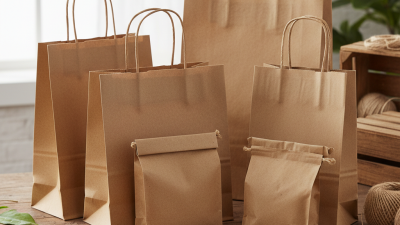
When choosing kraft shopping bags, it's essential to know the types available. There are two main categories: flat bags and gusseted bags. Flat bags are simple and easy to store. They are great for lightweight items. On the other hand, gusseted bags expand, providing extra space. This feature is useful for bulkier goods.
Tips: Think about your products. If you sell clothing or larger items, gusseted bags may be a better fit. For smaller items or gift packaging, flat bags are sufficient. Consider the weight limit too. Heavy items need sturdier bags to avoid tearing.
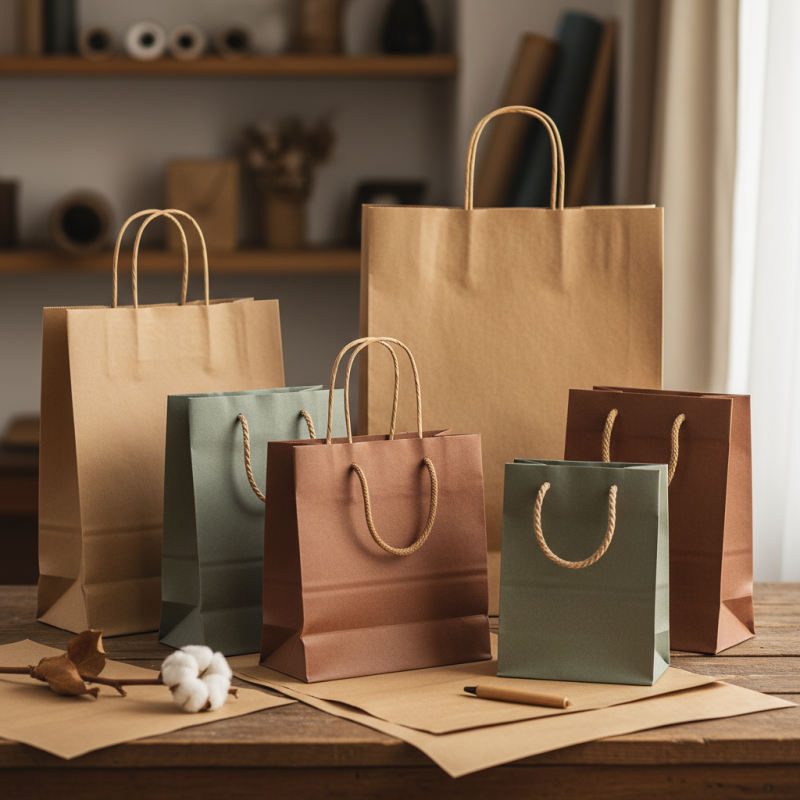
Kraft bags come in various sizes and colors. Choose colors that reflect your brand. Natural kraft is classic, while colored options can stand out. Don't forget to consider the handles. Some bags come with handles, while others do not. This can affect customer convenience.
Remember, not every bag works for every need. Some styles may seem appealing but may not suit your products. Reflect on your business goals before making a choice. A wrong selection can lead to frustration for both you and your customers. Consider conducting a test to see what works best.
Assessing the Environmental Impact of Kraft Paper vs. Plastic Bags
Kraft paper bags have gained popularity due to environmental concerns. Unlike plastic bags, they are biodegradable and recyclable. A 2021 report by the Environmental Protection Agency noted that about 90% of paper bags are recycled. This natural material breaks down within months in composting conditions. In contrast, plastic bags can take hundreds of years to decompose, contributing to alarming pollution rates.
However, Kraft bags are not without their flaws. They require more energy to produce compared to plastic. Approximately 2.5 times more energy is needed per ton of Kraft paper than for the same amount of plastic. This raises questions about their overall environmental impact. Moreover, sourcing wood for Kraft production may lead to deforestation concerns.
Consumers often overlook the ecological footprint of their shopping choices. A study found that 70% of shoppers are unaware of the energy costs associated with different bag types. Choosing a bag should reflect more than just convenience. It should account for the lifecycle of the materials involved and personal habits.
Environmental Impact of Kraft Paper vs. Plastic Bags
Identifying Key Features for Selecting the Right Size and Strength of Bags
When selecting Kraft shopping bags, size and strength are critical factors. A recent industry report highlighted that 70% of consumers prioritize bag strength over aesthetics. Choosing a bag that can safely hold various items is essential. For example, a medium-sized bag with a 40-pound capacity is often suitable for groceries or heavy books.
The need for appropriate sizing cannot be ignored. A bag that is too small will frustrate both customers and retailers. On average, a standard shopping bag measures 10 x 5 x 13 inches. This size typically accommodates most purchases. However, consider specialty needs, too. Large bags are beneficial for bulky items, but they may add unnecessary excess for smaller purchases.
Sustainability also plays a role in bag choice. Research indicates that 60% of consumers prefer eco-friendly packaging options. However, not all Kraft bags are created equal. The thickness of the paper matters. Thicker bags provide better durability but may increase costs. A balance needs to be struck. Understanding these nuances can lead to better decisions. It’s important to reflect on what truly fits your needs.
Evaluating Cost-Effectiveness: Bulk Purchasing vs. Individual Orders
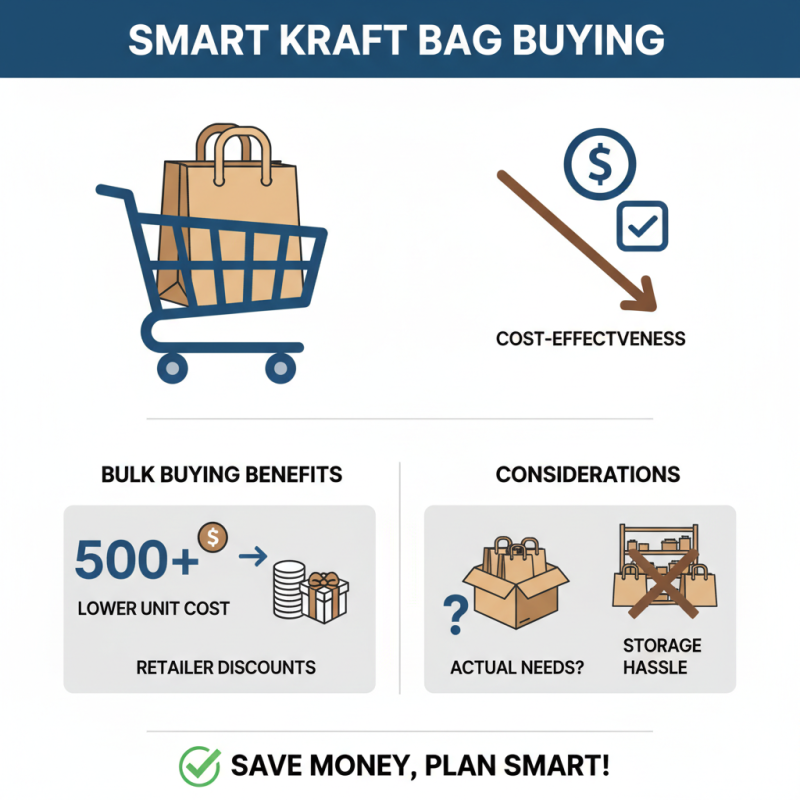
When choosing kraft shopping bags, cost-effectiveness is key. Bulk purchasing can save money. Many retailers offer discounts for larger quantities. For instance, you might pay less per bag when buying 500 compared to 50. This can be an attractive option for businesses. However, consider your actual needs. Will you use all those bags? Storing unused bags can be a hassle.
On the flip side, ordering individual bags allows for flexibility. You can test designs or sizes without significant upfront costs. This option reduces the risk of excess inventory. Plus, you'll have the chance to refresh your stock regularly. It can be tempting to go for bulk deals, but they aren't always the smartest choice. The ideal method depends on your needs and storage capacity. Weigh your options carefully before committing to a purchase.
Analyzing Customization Options to Enhance Brand Visibility and Appeal
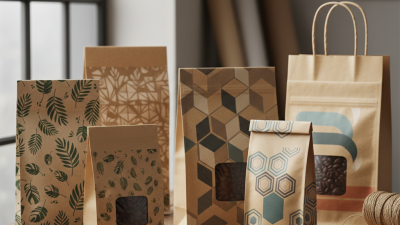
When choosing Kraft shopping bags, customization is key. Custom designs can significantly enhance your brand visibility. They attract customers' attention and create a lasting impression. The right design speaks volumes about your business values.
Tips: Start with colors that resonate with your brand identity. Use earthy tones for eco-friendliness. Opt for straightforward logos that are easy to recognize. The simpler, the better. Remember, too much detail can clutter your bag. Focus on making it memorable.
Moreover, think about sizes that fit your products well. Too small might frustrate customers; too large can seem wasteful. Consider offering multiple sizes for versatility. Reflect on materials as well. The thickness of the bag matters for durability. A flimsy bag may undermine the quality of your brand. Balance functionality with aesthetics to create a compelling product.