Why Choose Plywood for Your Next Construction Project?
Plywood is gaining popularity in construction due to its remarkable versatility and strength. According to a report by Grand View Research, the global plywood market size was valued at USD 65.79 billion in 2022 and is expected to expand at a CAGR of 5.6% from 2023 to 2030. This growth reflects its essential role in various applications, from residential buildings to commercial structures.
Industry expert Dr. Susan Lee highlights the importance of plywood by stating, “Plywood provides unmatched durability and adaptability, making it a preferred choice in many construction projects.” This sentiment resonates with architects and builders who acknowledge plywood’s lightweight nature and cost-effectiveness. However, concerns about sourcing and sustainability persist. The industry's reliance on wood raises questions about environmental impact, prompting a need for responsible sourcing practices.
With innovations in manufacturing techniques, plywood continues to evolve. Composite varieties, for example, integrate additional materials to enhance performance. However, as construction demands shift, stakeholders must balance tradition with modern solutions. Plywood's status in the construction industry is undeniably strong, yet its future will require careful consideration of both ecological and economic factors.
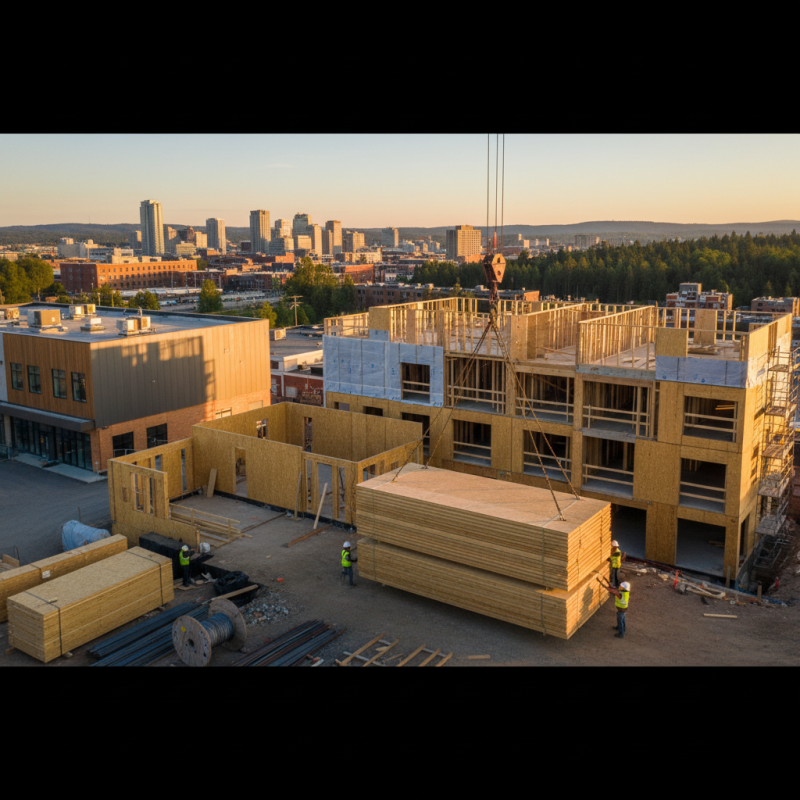
Benefits of Using Plywood in Construction Projects
Plywood offers numerous benefits for construction projects. This versatile material is made from thin layers of wood veneer, glued together. It is strong yet lightweight, making it easier to handle on job sites. Builders appreciate its reliability in various structural applications, from flooring to wall sheathing.
One notable advantage is its resistance to warping and cracking. Unlike solid wood, plywood maintains its shape, even in challenging environments. Additionally, it provides excellent insulation, which can enhance energy efficiency. Many contractors find that using plywood can reduce costs in the long run. It is often easier to work with than other materials, allowing for quicker project timelines.
However, not every construction project will benefit from plywood. In some cases, other materials might serve better due to specific structural requirements or aesthetic preferences. It’s essential to evaluate the project needs carefully. Understanding the strengths and limitations of plywood can guide builders in making informed decisions.
Types of Plywood and Their Ideal Applications
Plywood comes in various types, each suited for specific applications. Each type has its own unique properties, making it vital to choose the right one for your project. For example, softwood plywood is popular for its strength and affordability. It is often used in furniture and cabinetry. The natural wood grain enhances the aesthetic appeal, making it a preferred choice for visible structures.
On the other hand, hardwood plywood boasts greater durability. It is ideal for high-traffic areas, such as flooring and commercial environments. The tight grain pattern gives it resistance to wear and tear. In contrast, marine plywood is engineered to withstand moisture. It is perfect for boat construction or wet environments. Users must ensure the right grade is selected, as not all marine plywood is created equal.
Think about the specific requirements of your project. Will the plywood face moisture? How much weight will it bear? Different applications demand different types. Using plywood incorrectly could lead to structural issues later. It is important to consult with experts or conduct a detailed analysis before making a decision.
Cost-Effectiveness: Comparing Plywood to Other Materials
When considering materials for construction, plywood stands out for its cost-effectiveness. Many builders opt for plywood over solid wood or metal due to its affordability. This makes it an attractive option for projects with stringent budgets. It also offers a great strength-to-weight ratio, allowing for easy installation without compromising durability.
Plywood’s versatility is another reason for its popularity. It can be used for flooring, roofing, and cabinetry, which eliminates the need for multiple materials. While alternatives like concrete and steel may be durable, their costs can quickly add up. Plywood, however, often delivers the same strength at a fraction of the price. Moreover, it can be sourced sustainably, adding an eco-friendly aspect to your project.
However, using plywood isn't without its drawbacks. It can be susceptible to water damage if not treated properly. This could lead to additional costs for maintenance or replacement. Some may argue that its aesthetic appeal is not on par with solid wood. It’s essential to weigh these factors against the upfront savings. Choosing plywood requires careful consideration of both immediate needs and long-term goals.
Sustainability Aspects of Plywood in Building Design
Plywood is increasingly recognized for its sustainability in building design. Made from renewable resources, it reduces the environmental footprint of construction. The process of creating plywood involves gluing thin layers of wood veneer, which maximizes the use of raw material. This technique minimizes waste and ensures that more trees can remain standing.
Using plywood can also contribute to energy efficiency. Its excellent thermal insulation properties help maintain indoor temperatures, reducing reliance on heating and cooling systems. However, not all plywood is created equal. Sourcing practices matter. Choosing plywood from sustainably managed forests is crucial. It’s essential to verify certifications that ensure responsible forestry practices.
Despite its perks, plywood does have limitations. It can be prone to moisture damage if not treated properly. This aspect brings up a vital consideration: durability versus sustainability. Building professionals must weigh these factors carefully. The conversation about plywood isn’t just about immediate benefits, but also long-term environmental impact. Reflecting on these nuances can lead to more informed choices in construction.
Environmental Impact of Plywood vs. Other Materials
This chart compares the CO2 emissions per square meter for plywood against other common construction materials. It highlights the lower environmental impact of plywood, making it a sustainable choice for building design.
Construction Techniques and Tips for Working with Plywood
When working with plywood, understanding proper techniques is crucial. Start by selecting the right thickness. Thicker sheets provide strength but can be heavy. Consider the project's requirements before making your choice. Always measure twice before cutting. This helps avoid mistakes that can lead to wasted material.
Using the correct tools is essential. A circular saw is ideal for straight cuts. For finer details, a jigsaw works well. Ensure your blades are sharp for clean edges. Sanding the edges after cutting can prevent splinters. Remember to wear safety gear. Dust and debris can be harmful when cutting plywood.
Plywood can warp if not stored properly. Keep it flat and dry to maintain its integrity. Also, use wood glue for stronger joints. Clamping the pieces while the glue sets increases stability. Be aware that temperature changes can affect the material. Always account for expansion and contraction in your designs.
Why Choose Plywood for Your Next Construction Project?
| Dimension | Benefits | Common Uses | Tips for Working with Plywood |
| 3/4" x 4' x 8' | High strength and durability | Flooring, furniture | Use a sharp saw blade for clean cuts |
| 1/2" x 4' x 8' | Cost-effective | Cabinetry, wall sheathing | Sand edges for a smooth finish |
| 1/4" x 4' x 8' | Lightweight | Backing panels, crafts | Pre-drill holes to prevent splitting |
| 5/8" x 4' x 8' | Moisture resistant options available | Roof sheathing, outdoor projects | Use waterproof glue for outdoor projects |