Why Choose Paper Grocery Bags for Your Business Needs?
In today’s environmentally conscious world, businesses must consider sustainable choices. One such choice is paper grocery bags. These bags offer a practical solution for various business needs. They are not just eco-friendly but also versatile and durable. Many companies overlook the benefits of using them.
Paper grocery bags can enhance a brand's image. They reflect a commitment to sustainability. When customers see a business using these bags, they often feel more connected to the brand’s values. This connection is significant in today’s market. However, not all companies recognize this potential.
While the benefits are clear, some may question the costs. Indeed, paper grocery bags can be more expensive than plastic ones. Yet, the long-term advantages often outweigh these initial costs. Evaluating the impact on customer perception and environmental responsibility is crucial.
Benefits of Paper Grocery Bags for Businesses
In today's eco-conscious market, businesses face the challenge of making responsible choices. Paper grocery bags are an effective solution. They offer a sustainable alternative to plastic bags. Unlike plastic, paper bags are biodegradable and recyclable. They decompose naturally, minimizing environmental impact.
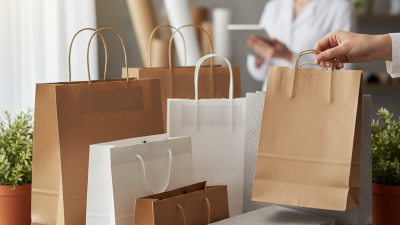
Using paper bags enhances brand image. Consumers appreciate businesses that prioritize sustainability. A paper bag can carry a logo, turning it into a marketing tool. This creates an opportunity for increased visibility and brand loyalty. Additionally, paper bags are sturdy and can hold more weight. This durability makes them practical for various products.
However, it’s essential to reflect on the cost implications. Paper bags may be pricier than plastic alternatives. Not every business can afford this transition. It’s crucial to weigh the long-term benefits against the initial investment. Ultimately, the choice of paper grocery bags reflects a commitment to the environment. It also resonates with consumers who value responsible practices. Adopting paper bags can inspire others and drive collective change.
Why Choose Paper Grocery Bags for Your Business Needs? - Benefits of Paper Grocery Bags for Businesses
| Benefit |
Description |
Environmental Impact |
Cost Effectiveness |
| Sustainability |
Made from renewable resources and biodegradable. |
Low impact compared to plastic bags. |
Competitive pricing for large orders. |
| Customizability |
Easily customizable with logos and designs. |
Promotes brand visibility sustainably. |
Affordable options enhance marketing efforts. |
| Durability |
Strong and reliable for carrying goods. |
Reduces waste due to better quality. |
Long-lasting use reduces replenishment costs. |
| Consumer Preference |
Consumers prefer eco-friendly packaging. |
Supports environmental movements. |
Can lead to increased sales through loyalty. |
Comparing Paper Bags to Plastic Alternatives
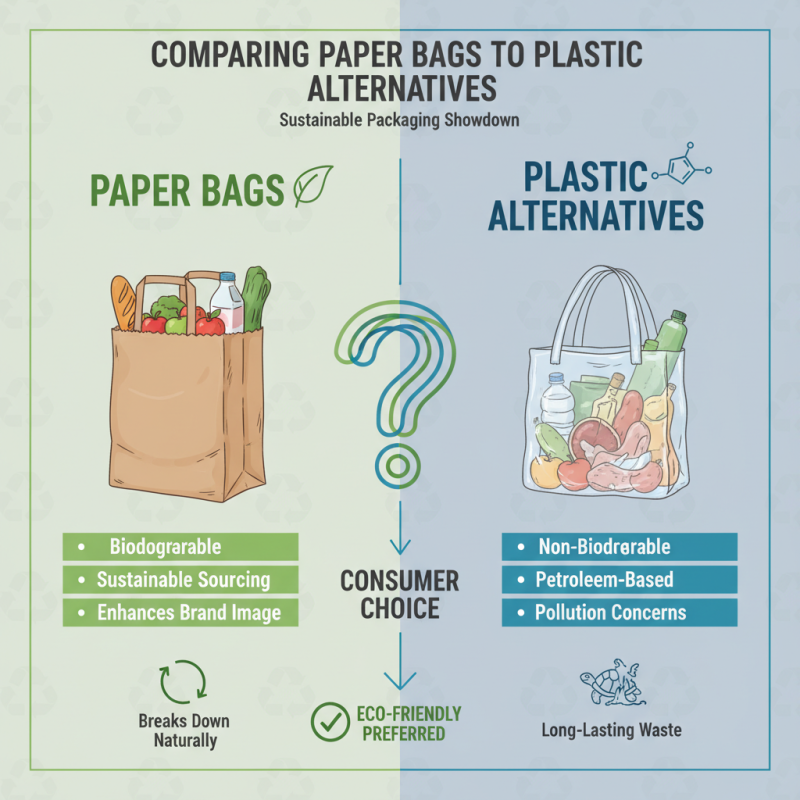
When considering packaging options, paper bags and plastic alternatives often come head-to-head. Paper grocery bags stand out for their environmental benefits. Unlike plastic, paper is biodegradable and more sustainable, breaking down naturally in landfills. Many consumers today prioritize eco-friendly choices, influencing their purchasing decisions. This demand can enhance a brand's reputation.
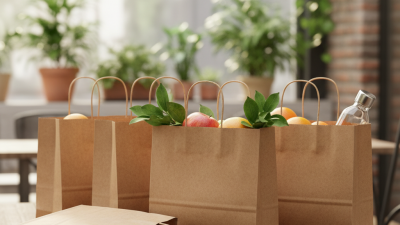
However, some may question the durability of paper bags. While they are strong and reliable for carrying groceries, heavy items might test their limits. Consumers need assurance that their items won’t spill out. Frequent users of paper bags might notice wear and tear quicker than plastic counterparts.
Another consideration involves cost. Paper bags can be more expensive to produce than plastic. This could impact smaller businesses operating on tight budgets. Exploring bulk purchasing options may alleviate some financial strain. Despite these challenges, the overall shift towards sustainability makes paper bags an attractive option for businesses looking to support eco-conscious practices.
Environmental Impact of Paper Grocery Bags
The environmental impact of paper grocery bags is significant. According to the Environmental Protection Agency (EPA), paper bags have a lower carbon footprint than plastic ones when sourced sustainably. Paper bags are biodegradable and recyclable, providing a path to disposal that is less harmful to our planet. They break down within a few months in a composting environment, unlike plastic bags that can take hundreds of years.
A study conducted by the University of Cambridge indicates that switching from plastic to paper can reduce the carbon emissions associated with grocery shopping. However, it's important to consider that not all paper bags are created equal. The production of paper requires trees and energy, leading to potential deforestation if not managed responsibly.
While paper bags are a better option overall, their environmental benefits depend on use and disposal practices. Studies show that to make a positive impact, consumers need to reuse paper bags multiple times. Ideally, each paper bag should be used at least three times to offset its production impact fully. Thus, encouraging customers to reuse bags can significantly enhance their eco-friendliness.
Customization and Branding Opportunities with Paper Bags
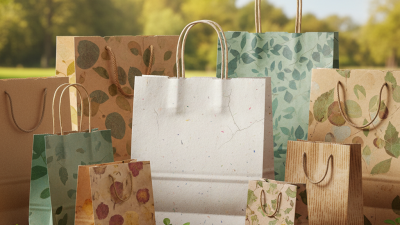
Paper grocery bags offer unique customization and branding opportunities for businesses. With a focus on sustainability, many consumers prefer paper over plastic. According to a study by The Paper and Packaging Board, 72% of consumers find paper bags more eco-friendly. This desire for sustainability opens avenues for branding that resonate with environmentally conscious customers.
Customizing paper bags is not just about aesthetics. It’s also about aligning with consumer values. Adding your logo or brand colors can create a lasting impression. Research shows that brands who invest in packaging see a 25% increase in customer engagement. This is crucial in a competitive market where first impressions matter.
However, designing the perfect paper bag is not without challenges. Ensuring high-quality prints can sometimes lead to increased costs. Each design should balance appeal and practicality. Feedback from customers can help refine designs. Analyzing customer reactions can provide insights into what resonates best.
Benefits of Using Paper Grocery Bags for Businesses
Cost-Effectiveness and Supplier Options for Paper Bags
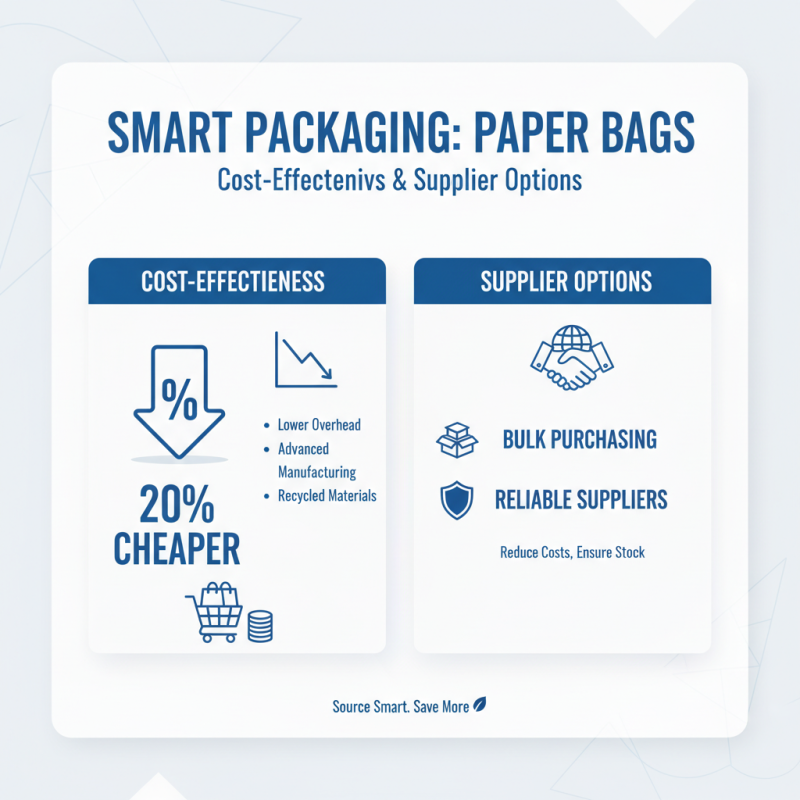
When considering packaging options, paper grocery bags stand out for their cost-effectiveness. A recent industry report indicates that paper bags have become 20% cheaper to produce in the past five years. This reduction is largely due to advances in manufacturing processes and the increased availability of recycled materials. Choosing paper bags can significantly lower your business's overhead costs, especially when sourced from reliable suppliers who offer bulk purchasing discounts.
Supplier options for paper grocery bags are diverse. Many manufacturers provide a wide variety of sizes, colors, and designs. This flexibility allows businesses to tailor their packaging to suit specific branding needs or customer preferences. A report from the Sustainable Packaging Coalition shows that 70% of consumers prefer brands that use sustainable packaging. Partnering with eco-friendly suppliers can enhance your brand image while meeting customer expectations.
Tip: Always ask suppliers about their sourcing practices. Ensure that the paper used is recycled or sustainably sourced. This choice not only supports the environment but can also attract sustainability-conscious customers.
Cost efficiency is important, but so is quality. The durability of paper bags can vary based on manufacturer standards. Inspect samples before making bulk purchases. High-quality paper bags can create a better customer experience and reduce returns due to damage.