How to Choose the Best White Paper Bag for Your Business?
Choosing the right white paper bag for your business can significantly impact your branding and customer experience. Jessica Lin, an expert in sustainable packaging, emphasizes, "A well-selected white paper bag not only serves a purpose but also reflects your brand values." With numerous options available, it’s important to understand your needs.
Factors such as size, durability, and design play crucial roles. A sturdy white paper bag conveys quality. A stylish design can attract more customers. Yet, not every bag meets these criteria. Taking time to evaluate options can save you from disappointing choices.
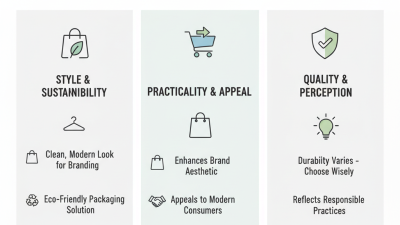
Your choice should align with your brand identity. Are you eco-friendly? Opt for recyclable materials. The goal is clear: enhance the shopping journey while remaining practical. Remember, each detail counts. Selecting the right white paper bag might seem trivial, but it can leave a lasting impression.
Identifying Your Business Needs for White Paper Bags
Choosing the right white paper bag for your business starts with identifying your specific needs. Consider the size and type of products you sell. A 2022 report from Packaging Strategies noted that nearly 45% of businesses prioritize bag durability to enhance customer experience. If you sell heavier items, thicker paper bags with reinforced handles may be necessary. If your merchandise is lighter, lighter paper options can suffice.
Think about branding as well. A study by Package In Focus revealed that 70% of consumers remember the branding on a bag. Custom printing can solidify your brand identity. However, striking a balance between quality and cost is essential. Some businesses may overlook the importance of sustainability. In fact, a recent survey indicated that 60% of consumers prefer eco-friendly packaging. If your clientele values green products, investing in recyclable paper bags could be a differentiator.
Understanding your audience is crucial. What do they expect in packaging? Feedback and market research can provide insights. Many businesses fail to adapt their choices based on consumer preferences. A narrow focus on cost might lead to choices that do not resonate with your customers. Evaluate your needs continuously. This practice ensures your packaging evolves with changing trends.
Exploring Different Types of White Paper Bags Available
When selecting a white paper bag for your business, it's essential to consider the different types available. Each type serves unique purposes and can enhance your brand image. Flat paper bags, for instance, are simple and cost-effective. They are ideal for lightweight items such as books or clothing. These bags are often unlined, making them easy to customize with your logo or design.
On the other hand, gusseted paper bags offer more room and structural support. Their expandable sides allow for carrying bulkier products, like gourmet foods or gift items. The additional space can make a significant difference in presentation. For businesses focused on sustainability, recycled paper bags might be the best option. They provide an eco-friendly choice that appeals to conscious consumers.
While choosing the right bag, it's crucial to look at durability and design. Some bags may look appealing but can tear easily. Testing different options can help you find what works best. Don't shy away from seeking feedback from customers. Understanding their preferences can lead to better choices. Forgetting to consider practicality in favor of aesthetics might lead to regrettable decisions down the line.
Different Types of White Paper Bags and Their Popularity
Evaluating Quality Factors in White Paper Bag Selection
When evaluating quality factors in white paper bag selection, materials play a crucial role. Not all paper is created equal. For instance, a report by the Paper and Packaging Board states that 70% of consumers prefer paper packaging over plastic due to its perceived sustainability. However, the thickness and durability of the paper are equally critical. A bag needs to withstand various weights and environmental conditions. Choosing bags with appropriate weight ratings can significantly impact customer satisfaction.
Print quality is another vital factor. Research indicates that visually appealing packaging can increase sales by up to 30%. High-resolution printing and vibrant colors can enhance brand visibility. However, not all printing methods offer the same level of quality. It's essential to assess the printing techniques used, as subpar methods may lead to fading or smudging, undermining brand credibility.
In addition to materials and print quality, bag design must align with its intended use. Essential features like handles, closures, and gusset depth determine usability. A well-designed bag can enhance the user experience, while a poorly designed one may frustrate customers. Regularly seeking feedback on bag performance can reveal insights for improvement. Understanding these quality factors can ensure you select the best white paper bags for your business while reflecting on potential areas for enhancement.
Assessing Customization Options for Branding and Marketing
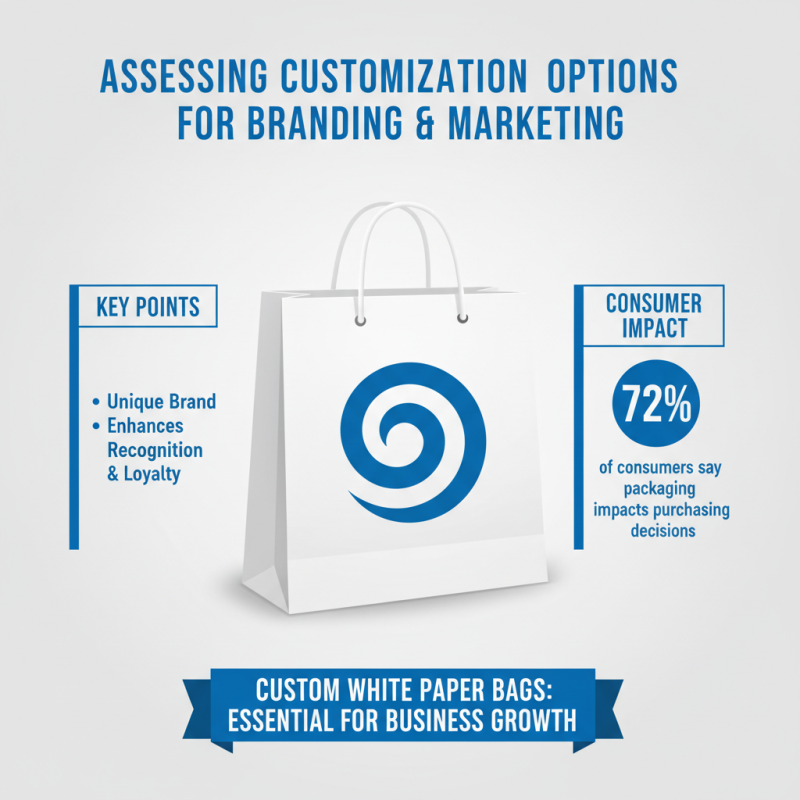
Customization is essential in choosing the right white paper bag for your business. It allows brands to create a unique identity. According to a report by the Paper and Packaging Board, 72% of consumers feel that packaging impacts their purchasing decisions. Customized bags enhance brand recognition and customer loyalty.
Consider the shape, size, and design of your bags. Unique shapes can catch attention. A study by the Paper Manufacturer's Association found that 64% of consumers prefer eco-friendly packaging. Therefore, using recyclable materials not only supports sustainability but also aligns with customer values. Think about how your design communicates your brand message.
Quality matters too. A flimsy bag may reflect poorly on your brand. Investing in durable materials shows that you value your customers' experience. Reflect on how each detail, from handles to color, contributes to your overall branding. Small choices can lead to larger impacts, but they also pose challenges in maintaining consistency across multiple orders.
Comparing Costs and Suppliers for White Paper Bags
When considering white paper bags for your business, analyzing costs and suppliers is crucial. The market for eco-friendly packaging has grown significantly. According to a recent report by Smithers Pira, the global demand for sustainable packaging is projected to reach $400 billion by 2025. White paper bags are a popular choice due to their recyclability and consumer preference for green products.
Finding the right supplier involves more than just price. Quality is vital to ensure that the bags can hold weight without tearing. Many suppliers offer both custom sizes and prints, impacting costs. A standard white paper bag can range from $0.10 to $0.30 each, depending on the order quantity. However, bulk purchases often lead to significant discounts. It’s essential to request samples before making a commitment. This allows assessment of the bag's durability and design.
Engaging with multiple suppliers can be time-consuming but productive. Evaluate their reputation by checking reviews and ratings. Some suppliers may promise low costs but cut corners on quality. Scrutinizing production methods can reveal insights into a supplier's commitment to sustainability, which is becoming increasingly important to consumers. Balancing cost and quality may require flexibility and negotiation skills, but it's a crucial step for long-term success.