Top 10 Benefits of Using Kraft Bags for Your Business?
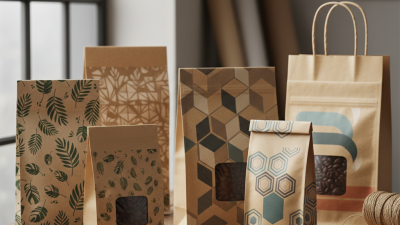
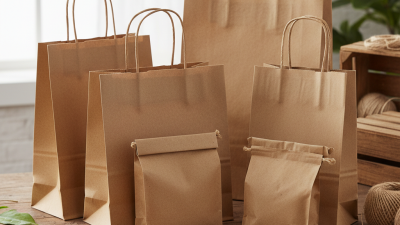
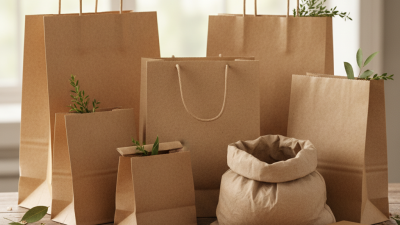
Kraft bags have become a popular choice for businesses looking to improve their packaging solutions. These bags are not only sturdy but also environmentally friendly. Made from natural fibers, kraft bags provide a unique, rustic appeal. They are biodegradable and recyclable, aligning with the growing demand for sustainable practices.
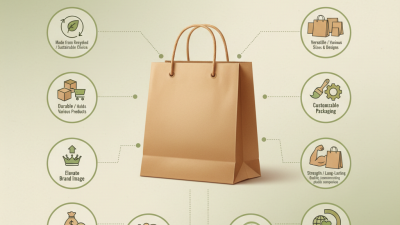
Using kraft bags can elevate your brand image. Customers appreciate eco-conscious options. A beautifully designed kraft bag can enhance the unboxing experience, making your product more memorable. Additionally, kraft bags come in various sizes and styles. This versatility allows companies to customize their packaging according to their specific needs.
However, businesses must consider potential downsides. For instance, kraft bags may not be as waterproof as plastic alternatives. This can be a concern for certain products. Careful planning and design are essential to mitigate these issues. Overall, the benefits of kraft bags can significantly impact your business strategy. Their appeal lies in creating a balance between functionality and environmental responsibility.
The Environmental Impact of Kraft Bags Compared to Plastic Alternatives
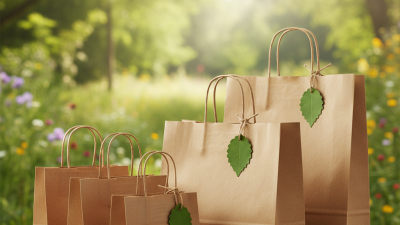
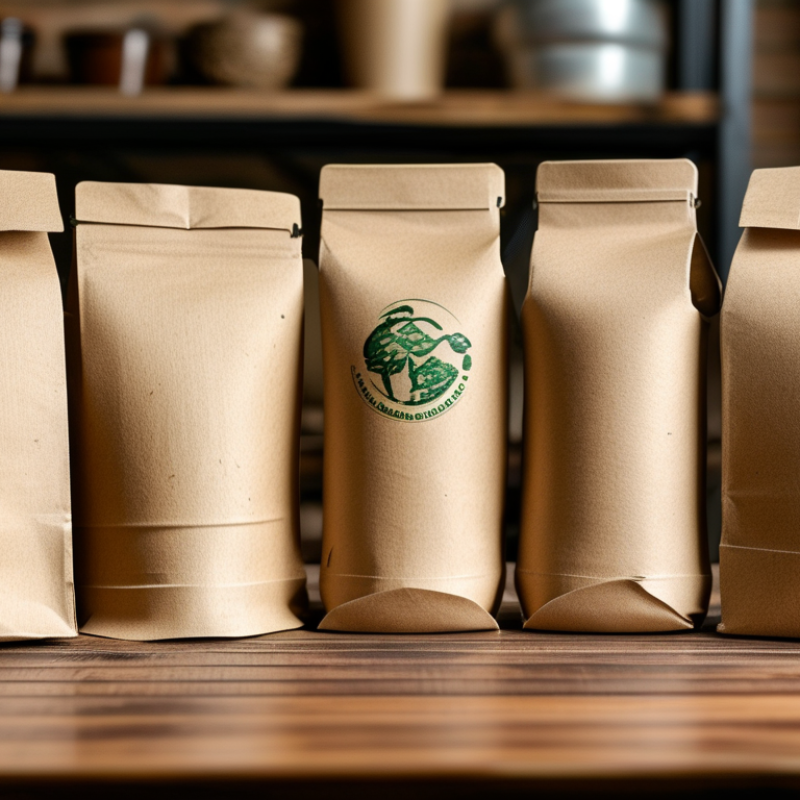
When comparing kraft bags to plastic alternatives, the differences are striking. Kraft bags are biodegradable and compostable. They break down naturally in the environment, while plastic can take centuries to decompose. This biodegradability reduces landfill waste and lowers carbon footprints for businesses using these bags.
Kraft bags also come from renewable resources. They are made from wood pulp, a natural material. In contrast, plastic bags are derived from fossil fuels, which are non-renewable. The production of kraft bags requires less energy, further making them an eco-friendly choice. Some might argue that kraft bags are less durable, but improvements in production methods have made them surprisingly strong and versatile.
While consumers may appreciate the eco-friendly aspect, they often encounter challenges. Kraft bags may be more expensive than plastic ones. This cost difference raises questions for businesses striving to balance budget and sustainability. Additionally, kraft bags might not always be suitable for wet or heavy items. As companies assess their packaging options, they must weigh environmental benefits against practical performance.
Top 10 Benefits of Using Kraft Bags for Your Business - The Environmental Impact of Kraft Bags Compared to Plastic Alternatives
| Benefit |
Kraft Bags |
Plastic Bags |
| Biodegradability |
100% biodegradable |
Non-biodegradable |
| Recyclability |
Easily recyclable |
Limited recyclability |
| Sustainability |
Made from renewable resources |
Made from fossil fuels |
| Durability |
Strong and durable |
Can tear easily |
| Consumer Preference |
Preferred by eco-conscious consumers |
Diminishing popularity |
| Visual Appeal |
Natural and appealing |
Less aesthetic appeal |
| Cost-Effectiveness |
Cost-effective for packaging |
Can be cheaper initially |
| Supply Chain Impact |
Lower carbon footprint |
Higher carbon footprint |
| Customizability |
Easily customizable |
Limited customization |
| Overall Impact |
Positive environmental impact |
Negative environmental impact |
Cost-Effectiveness: How Kraft Bags Save Money for Businesses
Kraft bags offer solid cost-effectiveness for businesses, making them a preferred choice in various industries. Research shows that brands using sustainable packaging can see a 10-20% increase in customer loyalty. Kraft bags are often more affordable than plastic options, and companies can save on bulk purchases. For example, a 2019 report indicated that switching to paper bags could lower packaging costs by 30%.
To maximize savings, always assess your order volume. Buying in larger quantities reduces per-bag costs significantly. Additionally, consider local suppliers to cut down on shipping expenses. Reducing your carbon footprint can also save money, as many entities now offer incentives for eco-friendly businesses.
While Kraft bags are durable and attractive, businesses must be mindful of their limitations. They may not hold liquid as well as plastic counterparts. Understanding these trade-offs is essential for making informed choices. Prioritizing quality over cheap options can sometimes lead to unexpected costs in the long run. A well-rounded approach ensures that businesses enjoy the benefits of Kraft bags without compromising on functionality.
Durability and Strength: The Performance of Kraft Bags in Retail
Kraft bags have gained popularity in retail due to their impressive durability and strength. Made from recycled paper, they can withstand considerable weight, making them ideal for transporting various products. According to industry reports, Kraft paper bags can support an average weight of 10 to 30 pounds, surpassing many plastic alternatives. This strength ensures that items remain secure during transit, which is vital for customer satisfaction.
Choosing the right Kraft bag can enhance your brand’s image. The natural look of these bags gives a sustainable vibe, appealing to eco-conscious consumers. In fact, 73% of consumers are influenced by packaging when they choose products. This statistic highlights the importance of selecting bags that reflect your brand values.
Tips: Invest in quality Kraft bags that are both sturdy and stylish. Look for options with reinforced handles for added support. Always consider your products' weight and size when selecting bag dimensions. This attention to detail can help reduce the number of replaced bags, promoting sustainability. Analyzing your packaging choices regularly can lead to improved customer interactions and lower costs.
Customizability and Branding Opportunities with Kraft Packaging
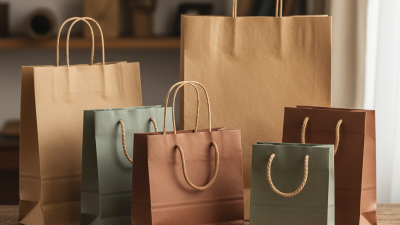
Kraft bags stand out in the packaging world due to their unique customizability. Businesses have the freedom to design these bags with various colors and prints. This makes it easy to reflect your brand's identity. Eye-catching designs attract customers, making your products memorable.
Moreover, Kraft bags offer sustainable options for businesses. They can be made from recyclable materials. This ethic not only resonates with eco-conscious consumers but also aligns with current market trends. However, not every design or print may effectively convey a brand's message. It requires thoughtful consideration and creativity.
In addition to aesthetics, Kraft bags allow for practical branding opportunities. They can be printed with logos, slogans, or promotional messages. This constant exposure boosts brand awareness, elevating the business's presence in a crowded market. But businesses should continuously assess design effectiveness. What works today may not resonate tomorrow. Utilizing customer feedback can help refine designs for greater impact.
Consumer Preferences: The Shift Toward Sustainable Packaging Solutions
As consumer preferences evolve, sustainable packaging solutions gain traction. A report from Smithers Pira indicates that the global sustainable packaging market will reach $500 billion by 2027. This shift stems from increasing awareness of environmental issues. Studies reveal that 70% of consumers prefer brands using eco-friendly packaging. They want products that align with their values.
Kraft bags, made from recycled materials, offer a practical solution for businesses aiming to attract eco-conscious customers. Their biodegradability appeals to those who seek to minimize their carbon footprint. A Nielsen survey shows that 66% of global consumers are willing to pay more for sustainable products. This statistic illustrates the economic potential for businesses adopting eco-friendly practices.
However, while the benefits are clear, challenges remain. Not all Kraft bags are equally sustainable. Sourcing practices differ, and not every manufacturer prioritizes the environment. Businesses must conduct due diligence to ensure their packaging aligns with sustainability goals. The journey toward responsible packaging requires commitment and ongoing evaluation.