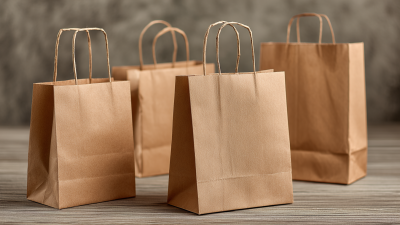
What is the Benefit of Using Paper Bags for Your Business and Environment
In a world increasingly focused on sustainability, businesses are recognizing the profound impact that their packaging choices can have on the environment. The transition to paper bags is not merely a trend; it is a strategic move supported by various industry reports highlighting their environmental benefits.
According to a report from the American Forest & Paper Association, paper bags are made from renewable resources and are recyclable, compostable, and biodegradable, making them an environmentally friendly alternative to plastic. This shift not only contributes to reducing waste but also encourages a circular economy that benefits both the planet and businesses.

Furthermore, consumer preferences are evolving, with a growing number of shoppers demanding eco-friendly options. A 2020 survey conducted by Nielsen revealed that 73% of global consumers are willing to change their consumption habits to reduce their environmental impact. By offering paper bags, businesses can enhance their brand reputation, resonate with eco-conscious customers, and contribute to sustainability efforts.
As companies look to differentiate themselves in a competitive market, adopting paper bags could lead to increased customer loyalty and potential revenue growth. In this context, the benefits of using paper bags extend beyond just environmental responsibility; they also encompass tangible business advantages.
Benefits of Paper Bags for Business Operations
In recent years, the shift towards eco-friendly packaging has gained momentum, significantly influencing business operations. Paper bags have emerged as a practical solution, providing numerous benefits to companies that adopt them. According to a report by the Research and Markets, the global paper bag market is projected to reach $5.2 billion by 2024, driven by increasing awareness of environmental sustainability among consumers. Businesses leveraging paper bags not only appeal to eco-conscious customers but also enhance their brand image by showcasing a commitment to reducing plastic waste.
Beyond environmental advantages, paper bags also offer functional benefits in terms of durability and customization. A study by the Paper and Packaging Board found that over 70% of consumers believe that a product's packaging influences their purchasing decision. This presents an opportunity for businesses to differentiate themselves in a competitive market. Custom-designed paper bags can serve as marketing tools, reinforcing brand identity while ensuring that products are delivered safely. By integrating paper bags into their operations, businesses can realize cost efficiencies and foster customer loyalty, demonstrating that sustainability and profitability can go hand-in-hand.
Benefits of Using Paper Bags for Business Operations
Environmental Advantages of Using Paper Bags
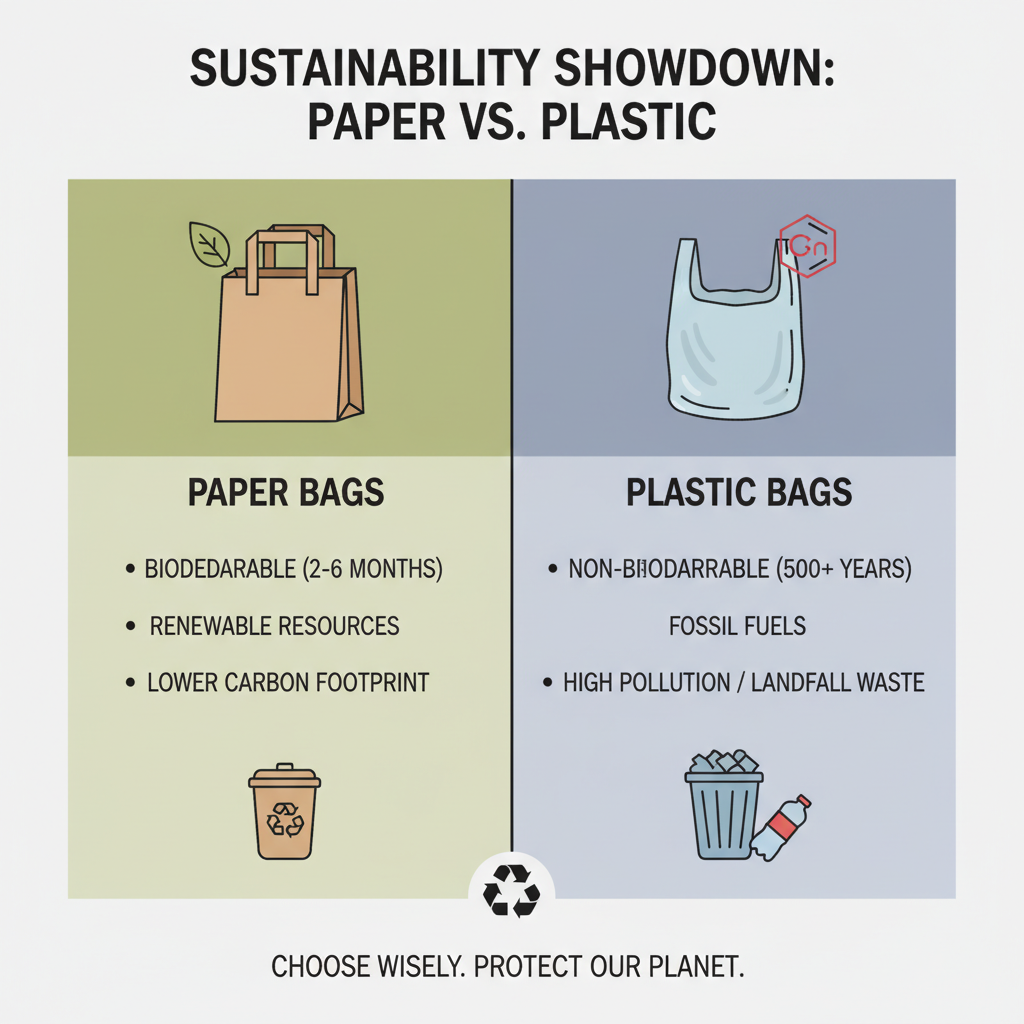
The environmental advantages of using paper bags are significant, particularly in our ongoing battle against plastic pollution. Unlike plastic, which can take hundreds of years to decompose, paper bags are biodegradable and can break down in a much shorter time frame, typically within a few months. This natural degradation process reduces the burden on landfills and minimizes the impact on wildlife, as animals are less likely to ingest biodegradable materials compared to plastic.
Additionally, paper bags are often made from renewable resources, such as trees, which can be sustainably harvested. Many companies today source their paper from responsibly managed forests, ensuring that the production of paper bags contributes to a healthier ecosystem. By choosing paper bags, businesses not only demonstrate their commitment to environmental sustainability but also encourage consumers to make eco-friendly choices. This shift can foster a culture of environmental awareness, as customers become more conscious of their purchasing habits and their impact on the planet.
Comparative Analysis: Paper Bags vs. Plastic Bags
In recent years, the debate between paper bags and plastic bags has intensified, especially considering the growing emphasis on environmental sustainability. Paper bags are biodegradable and can decompose within a few months, whereas plastic bags can take hundreds of years to break down, contributing significantly to pollution and landfill waste. Additionally, the production of paper bags often utilizes renewable resources, which can lessen the carbon footprint compared to plastic bag production, which largely relies on fossil fuels.
When considering using paper bags for your business, it's essential to highlight their advantages. For instance, paper bags have a higher recycling rate and can be easily repurposed, making them a responsible choice for eco-conscious consumers. Tips for businesses include branding your paper bags to enhance customer experience and encouraging your customers to reuse them, which can foster brand loyalty and promote a sustainable image.
Moreover, transitioning to paper bags can offer a unique marketing angle for businesses. Consider adding a small message on the bags about their eco-friendliness to engage customers. Partnering with local organizations for recycling initiatives can also create a sense of community involvement and show that your business cares about the environment.
Consumer Perception and Demand for Eco-Friendly Packaging
The growing consumer demand for eco-friendly packaging solutions is driving businesses to reconsider their packaging strategies. According to a report by McKinsey & Company, over 60% of consumers are willing to pay more for sustainable packaging, highlighting a significant shift in consumer perception. This trend is not only beneficial for the environment but also offers businesses a competitive advantage, as they align their brand with the values of eco-conscious customers.
To effectively cater to this demand, businesses should consider implementing paper bags as a primary packaging option. Paper bags are recyclable, biodegradable, and often made from renewable resources, which resonates well with consumers seeking environmentally friendly alternatives. Research from Nielsen indicates that 73% of millennials are willing to pay extra for sustainable brands, making it essential for companies to adapt to these preferences.
Tips for Businesses:
- Incorporate messaging about sustainability in your marketing to attract eco-conscious customers.
- Consider offering incentives, such as discounts, for customers who bring their own bags or use paper bags, encouraging a shift to greener practices.
- Regularly assess consumer sentiment through surveys to stay updated on changing preferences regarding eco-friendly packaging.
Cost Considerations for Businesses Switching to Paper Bags
Switching to paper bags can present both immediate and long-term cost considerations for businesses. While the initial investment in paper bags might be higher than plastic alternatives, companies should consider the full lifecycle costs. Paper bags are often more durable and can hold a greater weight, reducing the number of bags needed per transaction. This durability can lead to fewer replenishment orders, ultimately offsetting the higher upfront costs.
Additionally, businesses may benefit from enhanced customer perception and brand loyalty by using environmentally friendly packaging. Consumers are increasingly prioritizing sustainability, and using paper bags can strengthen a brand's image. Many customers are willing to pay a premium for products packaged in eco-friendly materials, which can lead to higher sales and increased market share. Therefore, while the switch to paper bags entails initial expenses, the long-term financial and reputational advantages can far outweigh the costs.
What is the Benefit of Using Paper Bags for Your Business and Environment - Cost Considerations for Businesses Switching to Paper Bags
| Aspect |
Paper Bags |
Plastic Bags |
| Cost per Unit |
$0.15 |
$0.05 |
| Break Even Point (Units Sold) |
2000 |
N/A |
| Customer Preference (Based on Surveys) |
70% prefer |
30% prefer |
| Environmental Impact (Life Cycle Assessment) |
Lower carbon footprint |
Higher carbon footprint |
| Recyclability |
100% recyclable |
Limited recyclability |
| Production Time |
Longer |
Shorter |