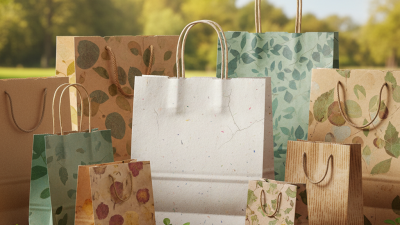
Are brown paper bags environmentally friendly and safe for food?
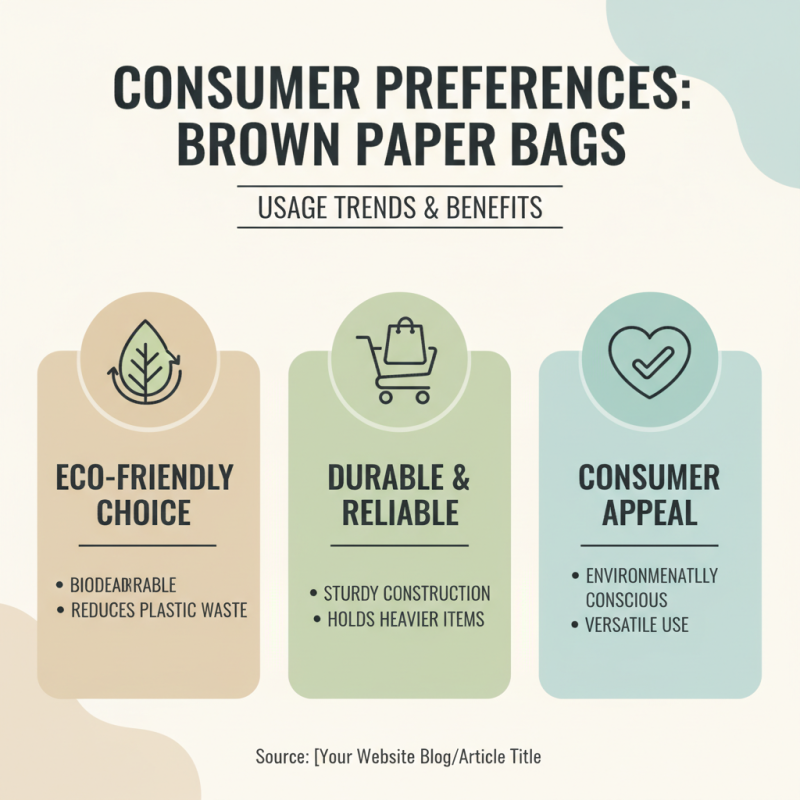
Brown paper bags have become a popular choice in the quest for more sustainable living. Many people view them as a greener alternative to plastic bags. Their biodegradable nature and recyclable properties make them appealing for environmentally conscious consumers. However, questions remain about their safety for food storage and their overall environmental impact.
While brown paper bags can reduce plastic waste, they are not without flaws. The production process for these bags still requires energy and resources. Additionally, they may not be as durable as plastic alternatives, leading to potential waste from tearing or leaking. It’s important to consider how these bags are used in everyday life.
Brown paper bags can be a safe option for transporting dry food items. However, moisture and grease can compromise their integrity. This raises concerns about food safety and the potential for contamination. As consumers, we must weigh the benefits and drawbacks of using brown paper bags in our efforts to protect the environment.
Understanding Brown Paper Bags: Composition and Manufacturing Process
Brown paper bags are becoming a popular choice for eco-conscious consumers. Understanding their composition is vital. Most brown paper bags are made from recycled kraft paper, produced using wood pulp from sustainable sources. The manufacturing process involves pulping, pressing, and drying. This contributes to a lower carbon footprint compared to plastic production. According to a report from the American Forest & Paper Association, over 70% of paper produced in the U.S. comes from recycled materials.
While brown paper bags are environmentally preferable, they are not without drawbacks. They are less durable than plastic bags and can break if overloaded. This raises concerns about their practicality for certain uses. Furthermore, the ink and dyes used in printing can contain harmful substances. It's essential to look for bags labeled as food-safe to minimize risks when using them for food storage.
Tips: Always check the labels for food safety certifications. Consider using reusable tote bags for heavier items to avoid potential tears. For everyday use, ensure the paper bags are sourced from reputable manufacturers. This awareness will help you make informed choices while being environmentally responsible.
Environmental Impact of Brown Paper Bags Compared to Plastic Alternatives
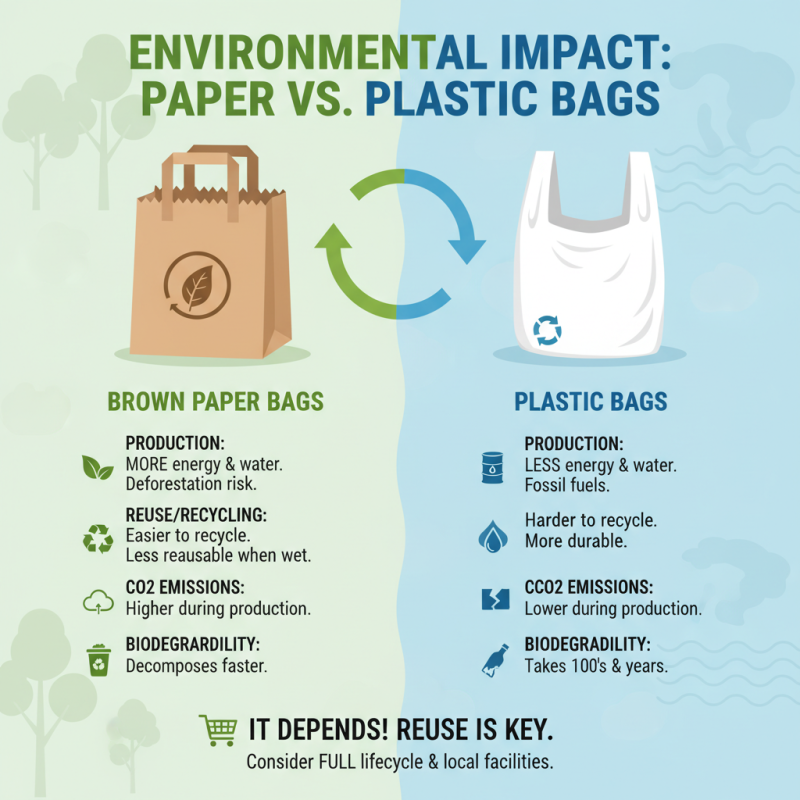
Brown paper bags have gained popularity as an environmentally friendly option. Many people believe they are better than plastic bags. However, this perspective needs careful consideration. The environmental impact of brown paper bags depends on various factors, including the production process and usage.
One crucial aspect is the resources needed to produce paper bags. They require a significant amount of water and energy for manufacturing. Additionally, deforestation for raw materials can lead to habitat loss. On the other hand, plastic bags often take hundreds of years to decompose. They contribute to pollution in oceans and landfills. Paper bags, when recycled, can offer a better alternative, as they break down more quickly.
Despite the advantages, one must also reflect on the overall consumption patterns. Many consumers might overuse both types of bags, leading to increased waste. Using reusable bags can reduce reliance on single-use options. It may be beneficial to assess personal habits before choosing between paper and plastic.
Safety Considerations: Are Brown Paper Bags Safe for Food Storage?
When considering the safety of brown paper bags for food storage, several factors come into play. Brown paper bags are typically made from recycled materials. This aspect reduces environmental impact. However, what constitutes their safety in food storage?
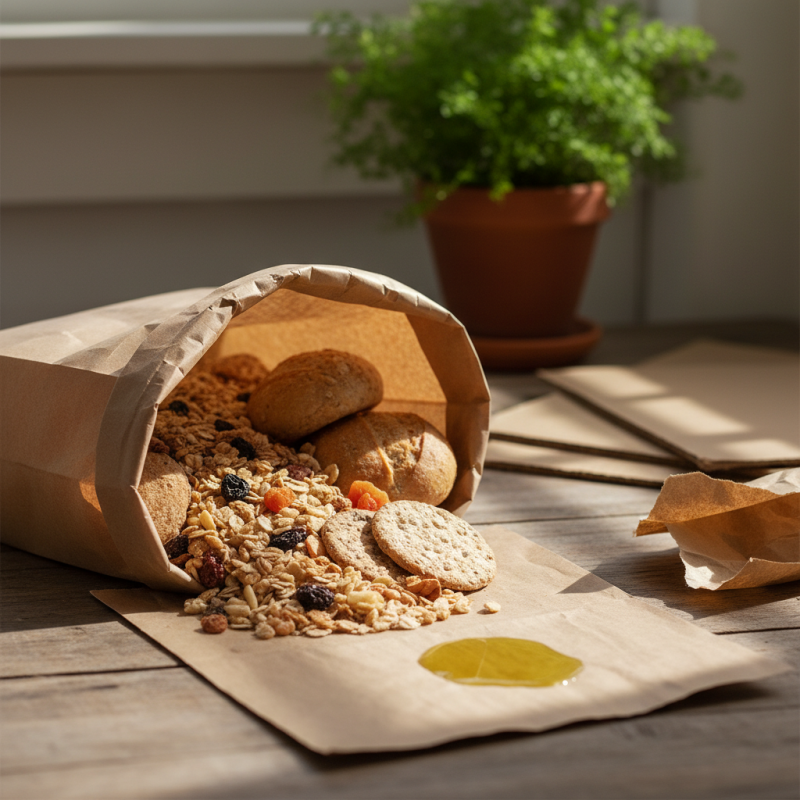
One concern is the transfer of contaminants. Brown paper is more porous than plastic. This allows oils and moisture to seep through, potentially compromising safety. If bags are reused, bacteria could harbor within. It’s vital to ensure that any previous contents do not taint new food. Not every brown bag is treated for food safety, so checking for food-grade labeling can help.
Another consideration is the potential for chemical treatment. Some paper bags may be coated with substances for durability. These coatings might not be food-safe, especially for greasy or wet items. Proper storage practices can mitigate risks. Use bags for dry items like bread or snacks. This minimizes contamination risks, and enhances safety.
Environmental Impact of Brown Paper Bags vs. Plastic Bags
This chart compares the environmental impact of brown paper bags and plastic bags in terms of CO2 emissions per bag and the time it takes for each type of bag to biodegrade. Brown paper bags emit less CO2 and are biodegradable in a shorter period compared to plastic bags.
Recycling and Disposal of Brown Paper Bags: Practices and Guidelines
Brown paper bags are often seen as a more eco-friendly choice compared to plastic. However, their recycling process requires attention. Many local recycling programs accept brown paper bags, but they must be clean and dry. Bags contaminated with food waste or grease can disrupt recycling efforts. It is essential to check local guidelines before disposal.
When it comes to proper disposal, some areas have specific drop-off points. Those may include collection bins at grocery stores. Many communities also allow composting of uncoated brown paper bags. This option provides an avenue for environmentally conscious consumers. However, not all paper bags are compostable. It's crucial to know the materials used in the packaging.
Using brown paper bags also raises questions about source sustainability. The production of these bags involves tree harvesting. Sustainable forestry practices can help mitigate this issue. Still, consumers should reflect on their choices and consider reusing bags when possible. Reducing usage is the best strategy for a greener planet.
Are Brown Paper Bags Environmentally Friendly and Safe for Food?
| Aspect |
Details |
| Material Composition |
Made from recycled paper, biodegradable and compostable |
| Recycling Rate |
Approximately 80% of paper bags are recycled in the U.S. |
| Food Safety |
Generally safe for food contact but may not be waterproof |
| Environmental Impact |
Lower carbon footprint compared to plastic bags |
| Disposal Guidelines |
Should be disposed of in paper recycling bins |
| Alternatives |
Reusable cloth bags as an eco-friendly alternative |