2026 Top Trends in Custom Packaging Bags for Eco Friendly Products?
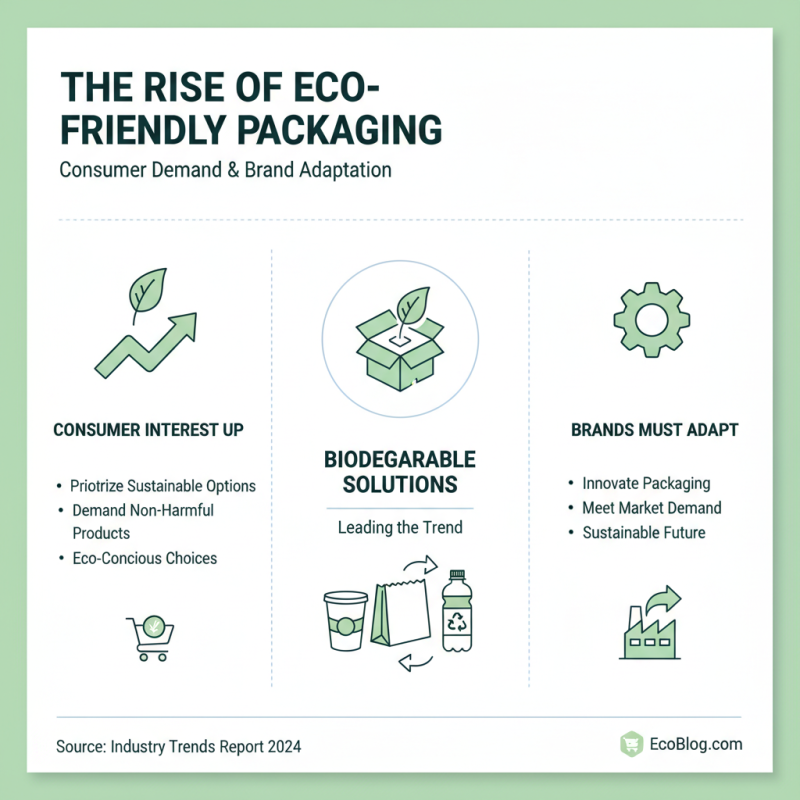
In recent years, the demand for eco-friendly products has soared. Custom packaging bags play a vital role in this trend. Consumers are increasingly valuing sustainability and looking for brands that align with their values.
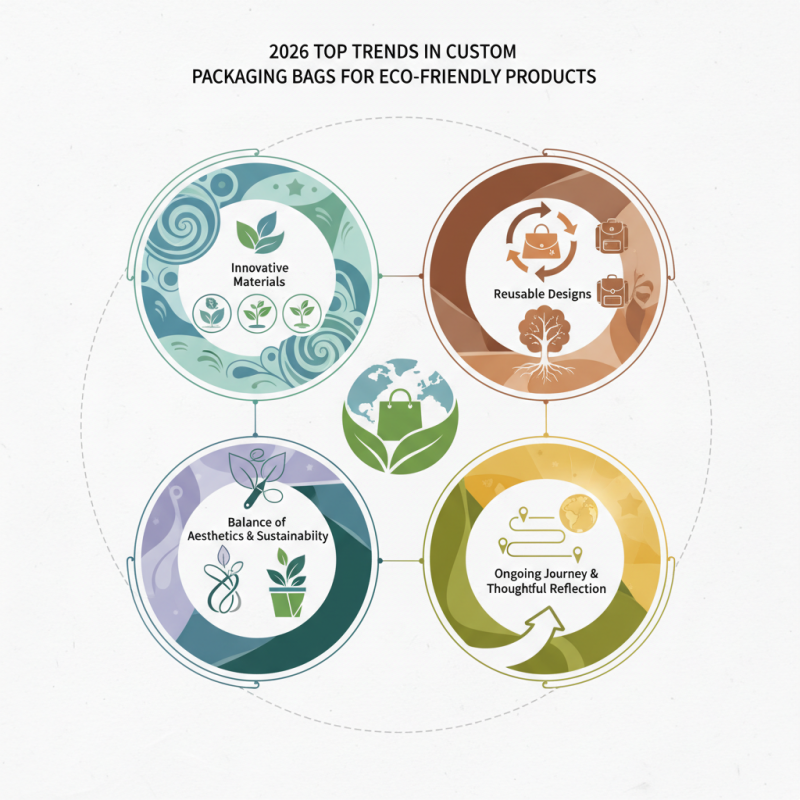
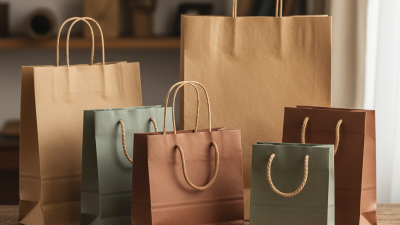
In 2026, we will see exciting trends in custom packaging bags. These bags will reflect both creativity and environmental responsibility. Brands are exploring innovative materials that minimize harm to our planet. For instance, biodegradable options and reusable designs are becoming more popular.
However, brands must also reflect on their choices. Sometimes, in the pursuit of eco-friendliness, design can take a back seat. It is crucial to balance aesthetics with sustainability. Each decision in creating custom packaging bags requires careful consideration. The journey toward sustainability in packaging is ongoing and deserves thoughtful reflection.
Emergence of Sustainable Materials in Custom Packaging Bags by 2026
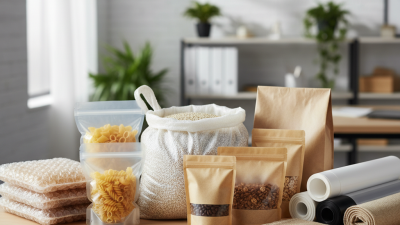
The rise of eco-friendly products is shaping the custom packaging industry significantly by 2026. Sustainable materials are becoming the cornerstone of packaging design. Consumers are increasingly choosing products that come in biodegradable or recyclable bags. These bags reduce plastic waste. They reflect a commitment to the environment. For example, plant-based materials such as corn starch and bamboo are gaining traction. Such choices may seem innovative, yet there are challenges.
The development of these materials often faces hurdles. For instance, sourcing raw materials can be difficult. Additionally, the cost of production tends to be higher. Some companies may struggle to balance sustainability and budget constraints. There’s also the question of durability. Not all sustainable materials perform as well as traditional options. This inconsistency can lead to dissatisfaction among consumers.
Despite these challenges, the demand for sustainable options remains high. More companies aim to innovate within the eco-friendly packaging space. It's vital to test these new materials rigorously. Ensuring quality while maintaining sustainability is essential. The future of custom packaging bags lies in this delicate balance. As the trend evolves, collaboration and creativity will be key in addressing these pressing issues.
2026 Trends in Custom Packaging Bags for Eco-Friendly Products
Innovative Printing Techniques for Custom Eco Packaging Bags in 2026
In 2026, innovative printing techniques for custom eco packaging bags will redefine sustainability. Digital printing remains a game-changer. It allows brands to experiment with vibrant colors and intricate designs. This method reduces waste, using less ink and energy compared to traditional options. However, not every small business can afford this technology.
Eco-friendly materials are gaining traction. Biodegradable options come in various textures and finishes. Water-based inks are on the rise. They pose fewer health risks and have a lower environmental impact. Yet, the durability of these inks often requires further exploration. Can they withstand harsh conditions while preserving aesthetics?
As trends evolve, brands must balance eco-friendly choices with consumer expectations. Some may find the trade-offs challenging. High-quality eco packaging might cost more upfront. But, the benefits could outweigh the costs in the long run. It invites a deeper reflection on values and priorities in packaging. These decisions can shape the future of sustainable practices.
Regulatory Trends Shaping the Future of Eco Friendly Packaging Bags
As regulatory trends evolve, the packaging industry faces new challenges. Governments worldwide emphasize eco-friendly practices. Studies indicate that over 75% of consumers prefer sustainable packaging. This awareness drives companies to innovate, but compliance adds complexity. The pressure to meet stringent regulations complicates the design process.
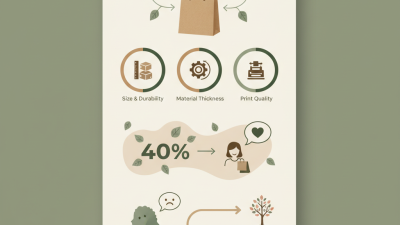
Material sourcing has become critical. Many brands seek biodegradable options. Yet, quality remains a concern. A 2022 report highlighted that 40% of biodegradable bags failed to decompose as expected. This inconsistency raises questions about efficacy and reliability. Manufacturers must balance compliance with customer expectations.
Furthermore, transparency in sourcing materials is becoming crucial. Brands are now required to provide clear information about their packaging. Many consumers demand to understand where materials come from. This trend may lead to enhanced trust, but it also demands rigorous supply chain management. The path ahead is filled with potential but includes pitfalls that require careful navigation.
2026 Top Trends in Custom Packaging Bags for Eco Friendly Products
| Trend |
Description |
Material |
Target Market |
Regulatory Impact |
| Biodegradable Materials |
Increase in the use of biodegradable materials to minimize environmental impact. |
PLA, PHA, starch-based polymers |
Eco-conscious consumers |
Stricter regulations on plastic waste disposal. |
| Reusable Packaging |
Focus on designs that facilitate multiple uses to reduce waste. |
Cotton, recycled plastics |
Sustainable businesses, retailers |
Incentives for companies adopting reusable options. |
| Minimalist Design |
Simplicity in packaging design to reduce material use. |
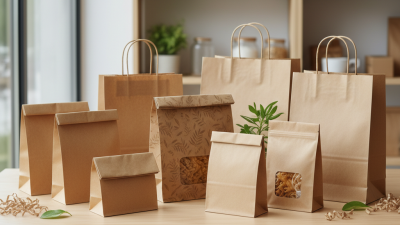
Kraft paper, biodegradable inks |
Millennials and Gen Z |
Design regulations promoting minimal waste. |
| Smart Packaging |
Integration of technology for tracking and sustainability reporting. |
RFID tags, QR codes on eco-friendly substrates |
Tech-savvy brands |
Regulatory requirements for tracking sustainability metrics. |
| Plant-Based Inks |
Using non-toxic, plant-based inks to print on eco-friendly bags. |
Soy, vegetable oils |
Eco-friendly brands |
Emerging regulations on chemical content in packaging. |
Market Insights: Growth of Eco Friendly Custom Packaging in Retail Sectors
The growth of eco-friendly custom packaging in retail sectors is evident. Consumers are more aware of environmental issues. They seek sustainable alternatives to traditional packaging. Retailers are responding by adopting greener solutions. This trend is reshaping the market.
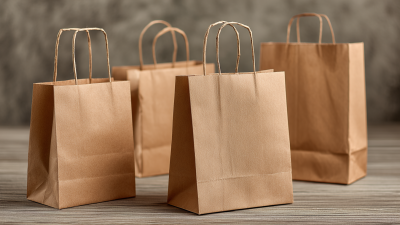
Custom packaging bags made from biodegradable materials are becoming popular. These bags lessen the environmental impact. They often feature vibrant designs and can be tailored to reflect brand values. Yet, not all brands implement these changes effectively. Some simply use eco-friendly materials as a marketing ploy. This raises questions about their genuine commitment to sustainability.
The demand for eco-friendly options is a double-edged sword. While many consumers appreciate sustainable packaging, others still prioritize cost over eco-friendliness. This creates a challenge for retailers. They must balance cost, functionality, and environmental responsibility. The shift toward eco-friendly packaging is still a work in progress. It requires ongoing evaluation and refinement. Retailers need to engage in meaningful dialogues about their packaging strategies.