| Folding Carton Box | Paperboard, often coated or laminated | Dry foods, cereals, snacks, confectionery, tea and frozen products | Good printability, stacking and light protection; limited moisture resistance unless coated | Ambient use; some grades are suitable for chilled or frozen applications | Generally recyclable when free from unsuitable coatings, heavy food residue or mixed materials | Confirm food-contact suitability, coating requirements and local paper-recycling rules |
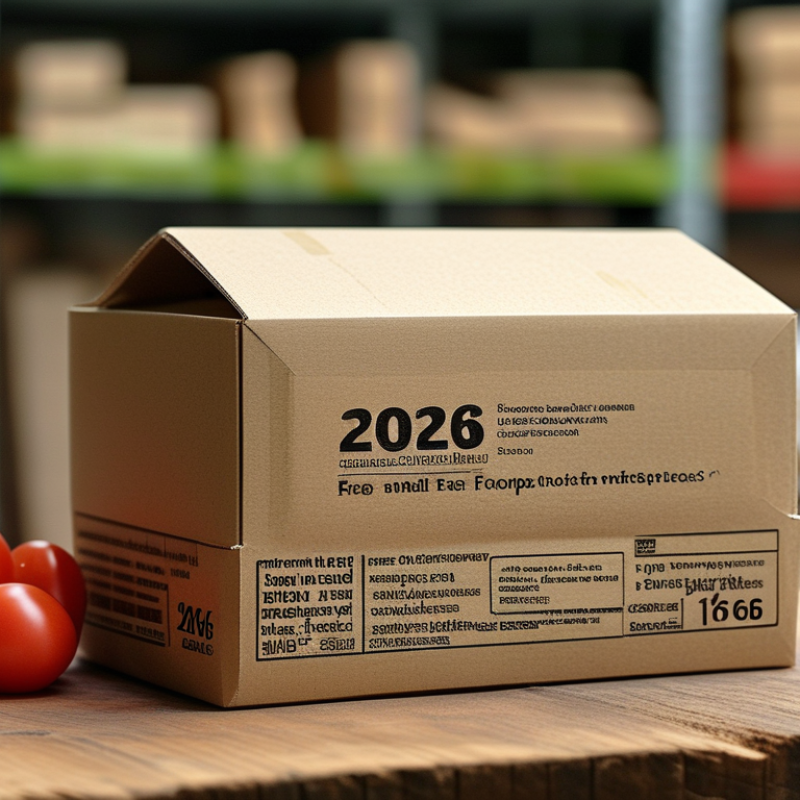
| Corrugated Shipping Box | Fluted paperboard with liner papers | Bulk food packs, subscription deliveries, produce and secondary transport packaging | High stacking strength and cushioning; protection depends on flute and board grade | Ambient distribution; moisture-resistant grades may support chilled logistics | Widely recyclable through paper and cardboard collection systems when clean and dry | Select board strength, box dimensions and moisture resistance according to route and load weight |
| Molded Fiber Food Box | Pressed recycled paper fiber or virgin plant fiber | Takeaway meals, bakery items, produce and food-service portions | Rigid shape, moderate impact resistance and useful heat tolerance; moisture performance varies | Usually ambient or hot-food service; verify suitability for chilled, frozen or reheating use | Often recyclable or compostable only when the coating and local facilities support that claim | Check certification, barrier coating, leakage resistance and destination-country disposal infrastructure |
| Paperboard Meal Box | Food-grade paperboard with a water- or grease-resistant treatment | Ready meals, noodles, fried foods, sandwiches and bakery products | Lightweight structure with moderate grease and moisture resistance | Hot or ambient service; actual temperature limits depend on coating and closure design | Recyclability may be reduced by plastic or aluminum barriers and food contamination | Verify migration testing, grease resistance, ventilation and local labeling requirements |
| Insulated Shipping Box | Corrugated outer box with paper, fiber or foam insulation | Chilled food, frozen food, meal kits and temperature-sensitive groceries | Slows heat transfer; does not independently maintain a safe temperature without suitable cold packs and handling | Designed for chilled or frozen transport; validated duration is route-specific | Recycling depends on whether insulation can be separated from the corrugated outer box | Use transit trials and temperature data; consider customs clearance, delivery time and pack-out volume |
| Rigid Plastic Food Box | Food-contact plastic such as polypropylene or polyethylene terephthalate | Fresh produce, deli foods, sauces, prepared meals and reusable food storage | Strong moisture barrier, product visibility and consistent shape | Ambient, chilled or frozen use depending on resin, lid and test results | Some resin types are recyclable, but acceptance varies substantially by country and municipality | Check resin identification, reuse claims, chemical compliance and restrictions on recycled content |
| Flexible Retort Box or Pouch | Multi-layer flexible laminate with heat-sealable layers | Shelf-stable meals, sauces, soups and wet foods processed by retort | Strong barrier against oxygen and moisture; suitable only when the complete package is process-validated | Commercially sterilized for shelf-stable distribution; processing conditions must be validated | Multi-material structures are generally more difficult to recycle than mono-material packaging | Require retort testing, seal-integrity testing, shelf-life validation and destination-market compliance |
| Produce Ventilated Box | Corrugated board, molded fiber or rigid reusable plastic | Fruit, vegetables, mushrooms and other fresh agricultural products | Ventilation, stacking and airflow management; limited liquid resistance unless treated | Usually chilled or ambient distribution according to the produce and supply chain | Fiber formats are commonly recyclable; reusable plastic formats require return and washing systems | Match vent openings, pallet pattern, humidity exposure and pack weight to the product |
| Bakery Window Box | Paperboard with a transparent plastic or cellulose-based window | Bread, cakes, pastries, cookies and gift-style bakery products | Product visibility and light structural protection; limited barrier performance | Primarily ambient storage; humidity control depends on the product and closure | Usually requires separating the window from the paperboard; local rules determine acceptance | Confirm grease resistance, food-contact declaration, window material and disposal instructions |