Top 2025 Trends in Kraft Paper Bags for Sustainable Packaging Solutions
As the world increasingly embraces sustainable practices, kraft paper bags are emerging as a pivotal solution in the realm of eco-friendly packaging. These bags, known for their versatility and recyclability, are gaining popularity across various sectors, from retail to food services. The growing awareness of environmental issues has prompted both consumers and businesses to seek out sustainable alternatives, and kraft paper bags are perfectly positioned to meet this demand.
In 2025, we can expect significant trends to reshape the landscape of kraft paper bags. Innovations in design, functionality, and sustainability are not only enhancing their appeal but also making them more environmentally friendly. Manufacturers are exploring new materials and production techniques that reduce the environmental impact and increase the lifespan and functionality of kraft paper bags. As brands strive to create a positive impact on the planet, the evolution of kraft paper bags is set to play a crucial role in redefining sustainable packaging solutions for the future.
Emergence of Kraft Paper Bags in Sustainable Packaging Solutions
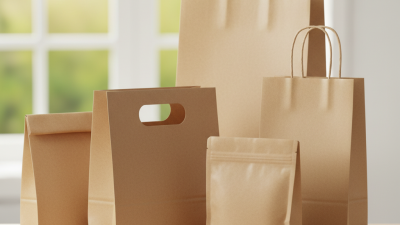
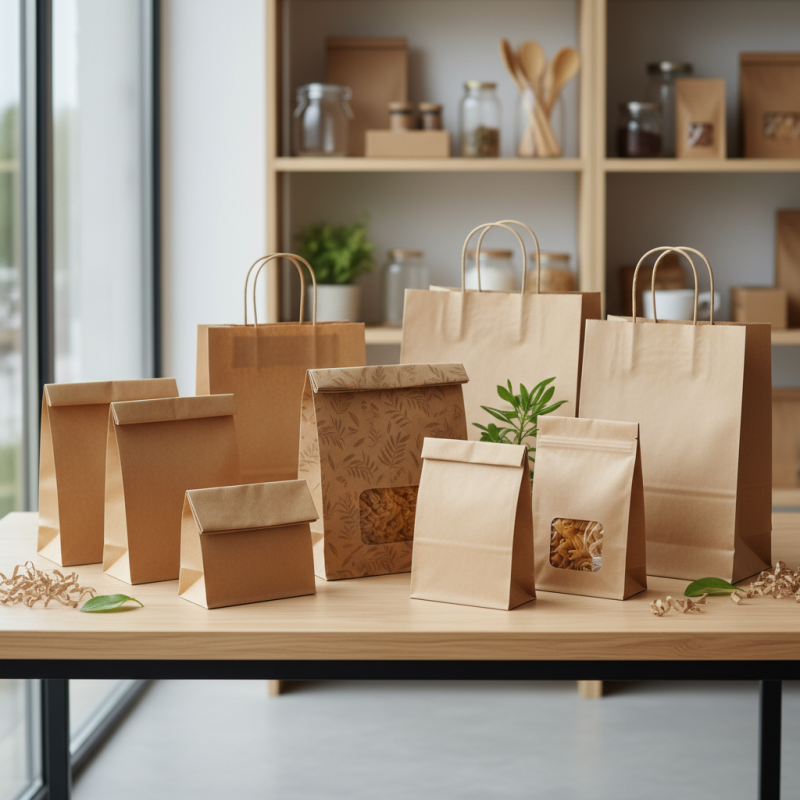
The emergence of kraft paper bags in sustainable packaging solutions signifies a pivotal shift in the retail and manufacturing sectors. As the world increasingly prioritizes environmental responsibility, kraft paper bags have captured attention for their biodegradable and recyclable nature, offering a compelling alternative to plastic. Their robust structure, combined with an eco-friendly image, appeals not only to businesses seeking to reduce their carbon footprint but also to consumers who value sustainability.
Tips for utilizing kraft paper bags effectively include considering their versatility in design. Brands can easily customize these bags with prints and logos that reflect their commitment to sustainability, enhancing their market appeal. Additionally, businesses should think about incorporating features such as handles or closures that enhance functionality while remaining eco-conscious. Educating customers about proper disposal and recycling can further elevate the environmental impact of these bags.
As more industries recognize the benefits of kraft paper bags, it is essential to stay updated on emerging trends, like innovative coatings that improve their durability without compromising recyclability. By embracing these developments, companies can not only meet customer expectations but also lead the charge towards a more sustainable future.
Top 2025 Trends in Kraft Paper Bags for Sustainable Packaging Solutions
This chart represents the importance levels of various aspects of kraft paper bags in sustainable packaging solutions according to current market trends. As consumers increasingly prefer environmentally friendly options, attributes like recyclable and biodegradable materials have gained higher importance.
Key Benefits of Using Kraft Paper Bags for Eco-Friendly Businesses
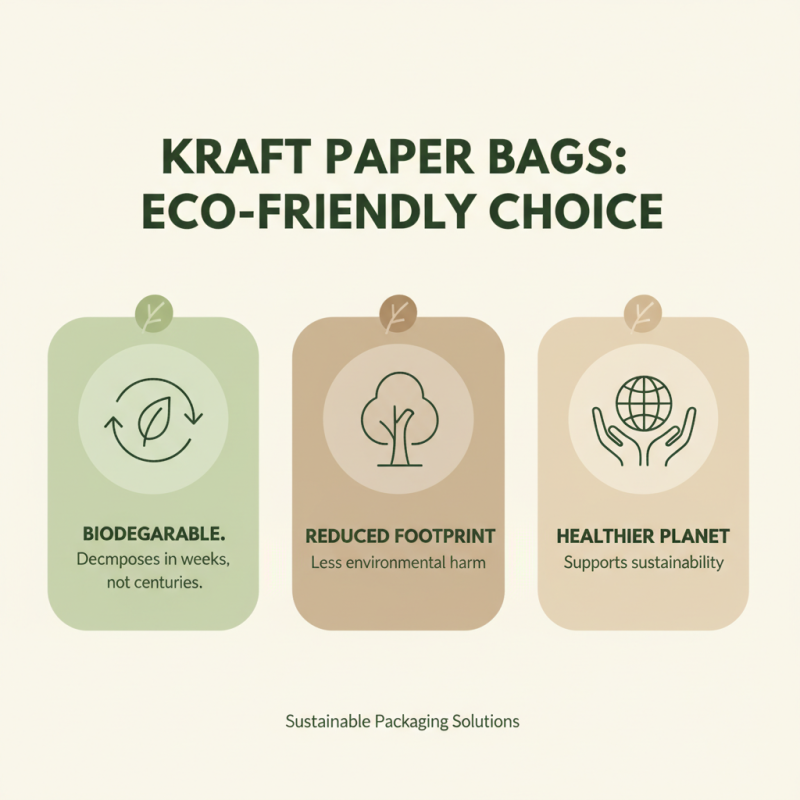
Kraft paper bags have emerged as a prominent choice for eco-friendly businesses, offering a variety of key benefits that align with sustainable packaging practices. One of the primary advantages of using kraft paper is its biodegradability; unlike plastic bags, which can take hundreds of years to decompose, kraft paper bags can break down in a matter of weeks when disposed of correctly. This natural decomposition process significantly reduces the environmental footprint of businesses and aids in promoting a healthier planet.
Moreover, kraft paper bags are made from renewable resources, primarily wood pulp from sustainably managed forests. This ensures that their production is not only less harmful to the environment but also contributes to the sustainable management of natural resources. The strength and durability of kraft paper allow it to effectively carry heavy loads, making it a practical choice for various retail needs. By opting for kraft paper bags, businesses enhance their commitment to sustainability while also meeting consumer demand for environmentally responsible packaging solutions.
Innovative Designs and Features in Kraft Paper Bags for 2025
As the world increasingly embraces sustainability, kraft paper bags are leading the charge in eco-friendly packaging solutions. The innovative designs of kraft paper bags in 2025 are set to elevate their functionality while emphasizing their environmental benefits. One prominent trend is the integration of biodegradable coatings that enhance moisture resistance without compromising the organic nature of the paper. This innovation allows consumers to trust that their packaging is not only robust but also kind to the planet.
Another exciting feature to emerge is the use of customizable prints and textures that transform kraft paper bags into personalized branding opportunities. With advancements in eco-friendly inks, brands can now convey their stories through striking visuals while remaining environmentally responsible. These designs not only catch the eye but also reinforce a commitment to sustainability, making a strong impression on eco-conscious consumers.
Tips for businesses considering kraft paper bags include exploring local suppliers to reduce carbon footprints associated with shipping and selecting thickness options that balance durability with recyclability. Additionally, businesses should keep an eye on consumer preferences, as trends shift towards more minimalistic designs that evoke a sense of authenticity and connection to nature. Adapting to these preferences will not only enhance customer satisfaction but also solidify a brand’s reputation as a forward-thinking, responsible choice in the packaging landscape.
Market Trends Driving the Adoption of Kraft Paper Bags in Retail
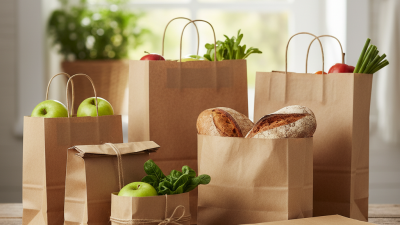
The retail landscape is increasingly influenced by sustainable practices, leading to a notable rise in the adoption of kraft paper bags. As consumers grow more environmentally conscious, they seek out packaging solutions that align with their values. Kraft paper bags, known for their biodegradability and recyclability, have emerged as a favored alternative to traditional plastic bags. This shift is not merely a trend but a fundamental change in consumer behavior, prompting retailers to rethink their packaging strategies to appeal to eco-aware shoppers.
Market dynamics are significantly shaped by this growing demand for sustainable packaging. Retailers are recognizing that incorporating kraft paper bags can enhance brand reputation, as sustainable practices resonate deeply with target audiences. The versatility and aesthetic appeal of kraft paper bags make them not only functional but also a stylish choice for a variety of retail sectors, from grocery to fashion. Furthermore, regulatory pressures and legislation aimed at reducing plastic use are also driving businesses to embrace kraft paper solutions, positioning them as a key component in the transition towards a more sustainable future in retail.
Challenges and Solutions in Transitioning to Kraft Paper Bag Usage
Transitioning to kraft paper bags presents several challenges for businesses aiming to adopt sustainable packaging solutions. One significant hurdle is the production capacity and availability of raw materials. While kraft paper is favored for its recyclability and biodegradability, ensuring a consistent supply from sustainable sources can be complex. Manufacturers must navigate fluctuating prices and supply chain issues, particularly as demand for eco-friendly options increases globally.
Another challenge is the need for consumer education and acceptance. Many consumers are accustomed to traditional plastic bags and may view kraft paper as less durable. Overcoming this perception requires effective communication about the benefits of kraft paper, such as its environmental advantages and strength compared to plastic alternatives. Businesses need to invest in marketing strategies that highlight the long-term benefits of switching to kraft paper, fostering a supportive community around sustainability.
Finally, the adaptation of existing machinery and production processes to accommodate kraft paper materials can require significant investment. Companies may face initial costs related to upgrading equipment or modifying workflows to ensure compatibility with paper bag production. Nonetheless, the challenges posed by this transition are outweighed by the growing consumer demand for sustainable practices, urging companies to innovate and adapt to a greener future.